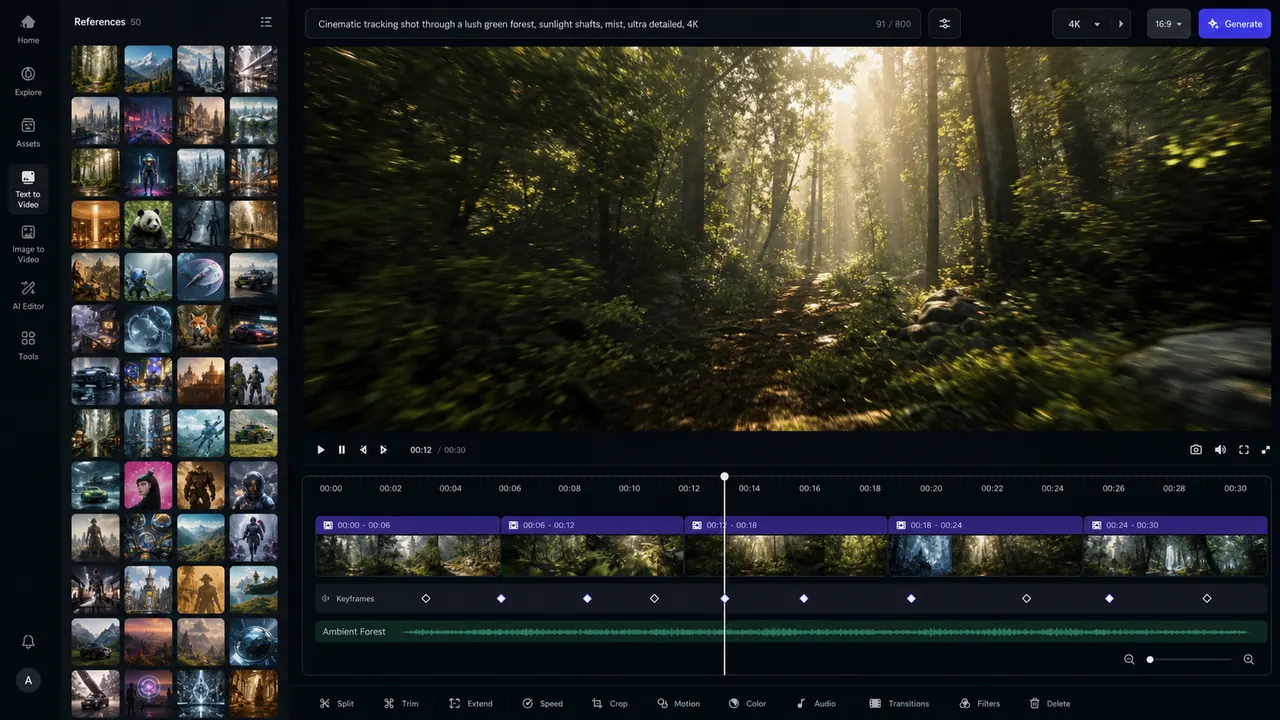
ByteDance officially dropped Seedance 2.5 on July 31, doubling single-generation duration from 15 to 30 seconds in one pass — no stitching, no seam artifacts. The model accepts up to 50 reference assets for character and environment consistency, adds timestamp-level editing to fix a single moment without re-rolling the clip, and supports multi-round extension into several minutes of narrative content. A beta long-video mode stretches to 180 seconds. Live now on Jimeng AI and Doubao Pro; API via Volcano Ark is coming soon.
OpenAI confirmed the Sora API sunsets on September 24, 2026, with no official video API successor from OpenAI. The Sora web app already went dark on April 26. Viable replacement APIs include Runway Gen-4.5, Veo 3.1 via Vertex AI, Kling, Seedance via Volcano Ark, and Wan via Together AI — but prompt behavior differs across all of them, so test early rather than scrambling in late September.
The July 15 release of ComfyUI v0.28.0 baked SeedVR2 image and video upscaling directly into core, eliminating the third-party node pack dependency for the generate-at-720p, upscale-for-delivery workflow. The same update added anti-cycle validation to stop runaway execution loops and improved high-bit-depth video loading. Pull the update and clean up your workflow.
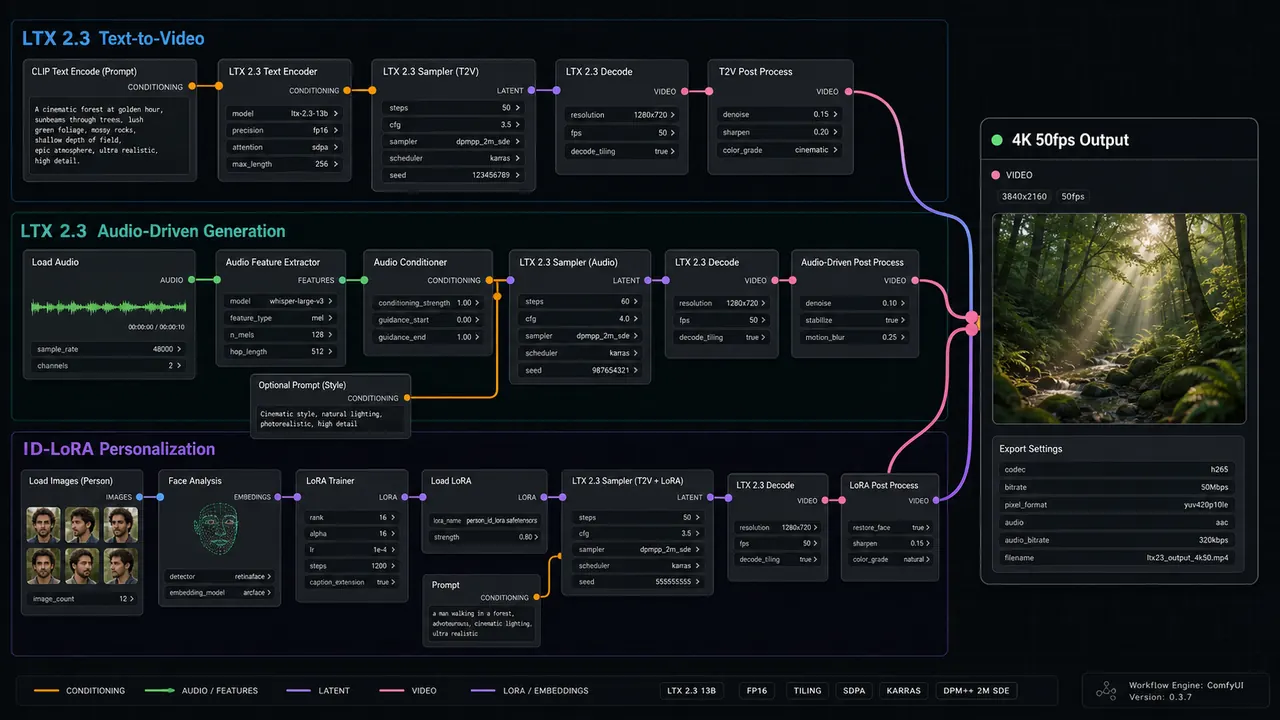
Lightricks' LTX 2.3 landed in ComfyUI's official workflow library with native text-to-video, image-to-video, first-last-frame, audio-driven, IC-LoRA, and ID-LoRA personalization — all in one 22B parameter open-source model generating 4K at 50fps with native audio sync. The Multimodal Guider node is the standout: it lets you tune prompt adherence and audio sync as independent parameters rather than fighting them against each other.
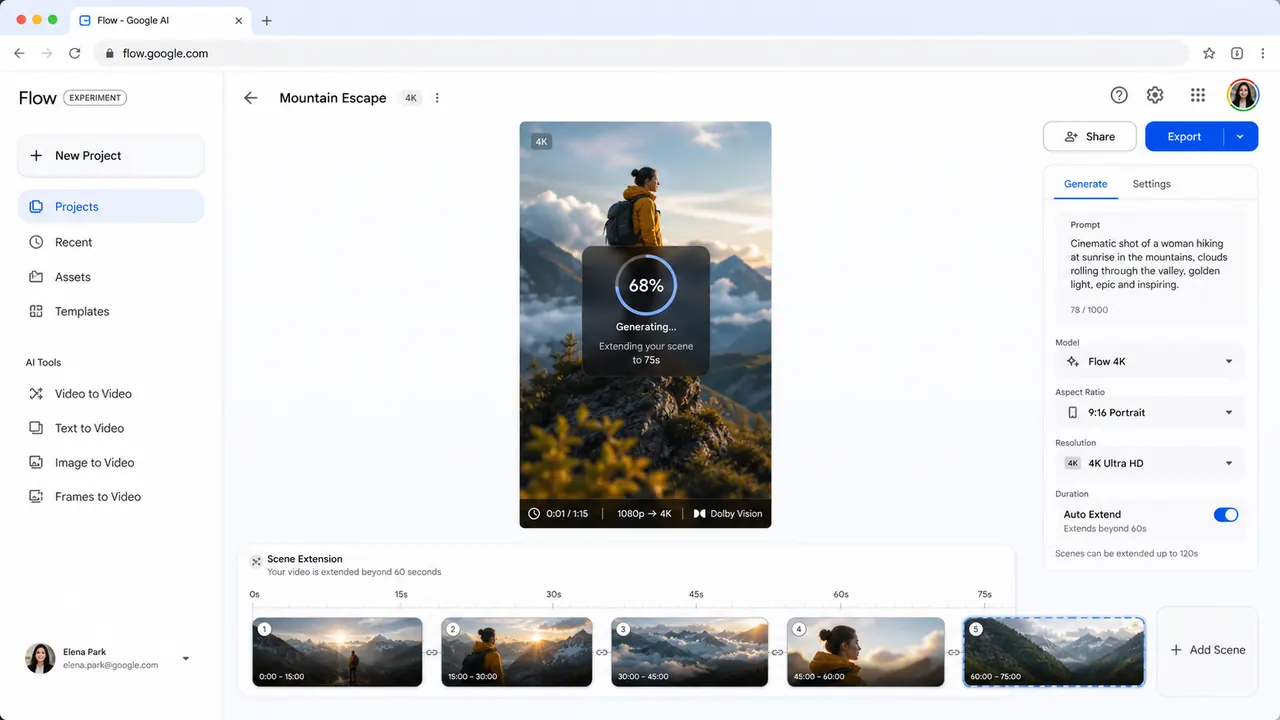
Google's Veo 3.1 — native 4K, 9:16 vertical output, and Scene Extension for continuous clips beyond 60 seconds — is now accessible at no cost through Google Vids and Google Flow for personal account holders. That's the model leading prompt-adherence benchmarks with native audio sync, free to any creator with a Google account. The vertical-first 4K output is specifically tuned for Shorts and Reels.
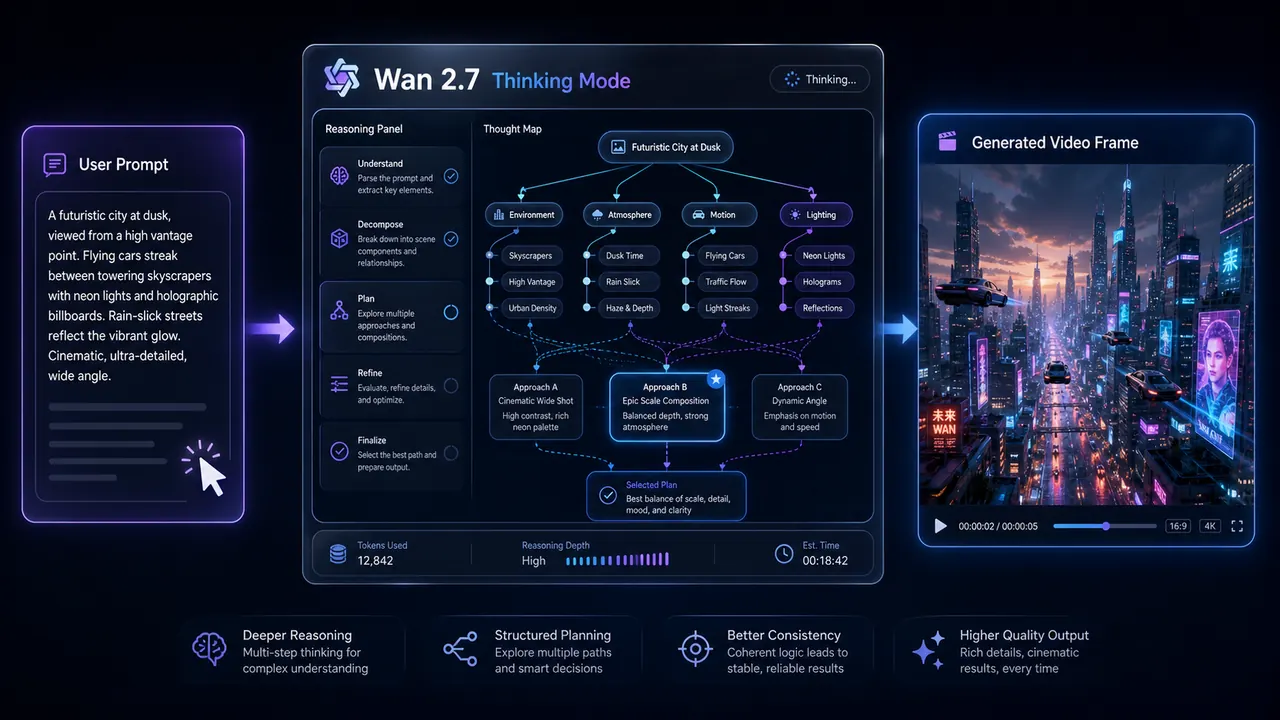
Alibaba's Wan 2.7 (Tongyi Lab, April 2026) introduced Thinking Mode — the model interprets and plans your prompt before generation, reasoning through intent rather than executing literal text. The four-model suite covers text-to-video, image-to-video, reference-to-video, and instruction-based editing on the same API, with first/last frame control and native audio included. If Thinking Mode holds up at production scale, it narrows the quality gap between polished prompts and rough ones.
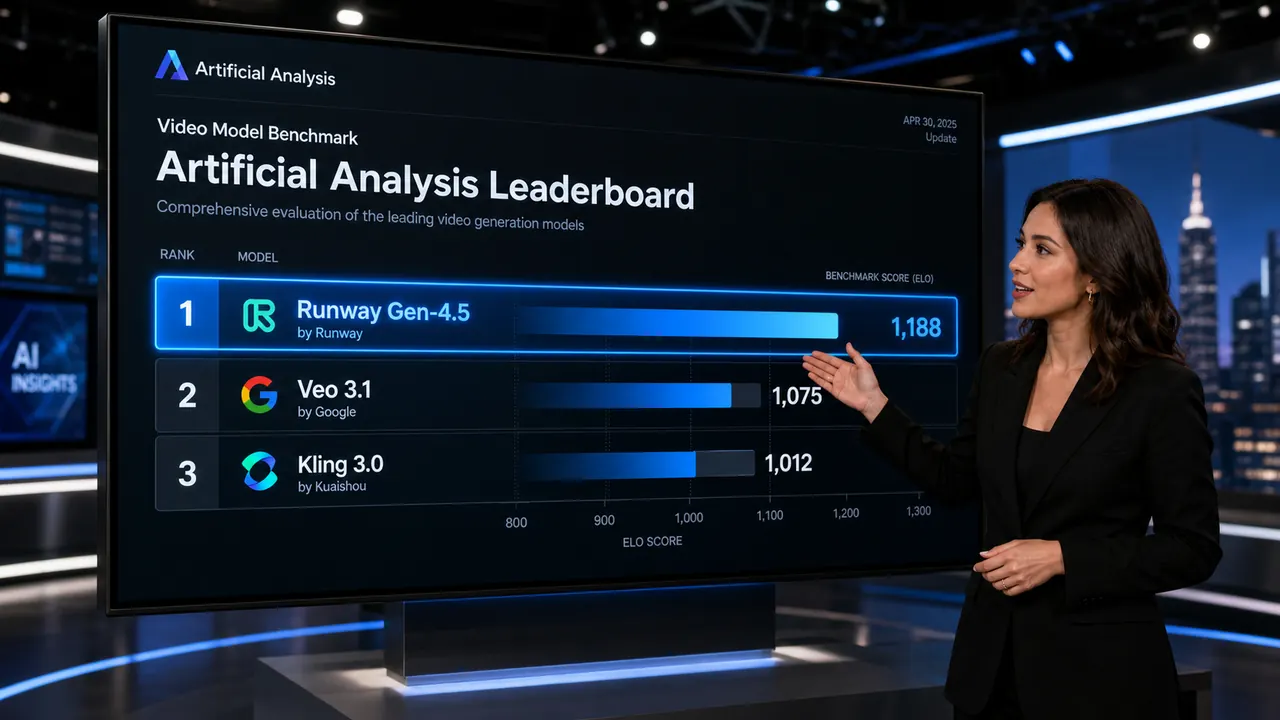
Runway's Gen-4.5 ranked first on independent Artificial Analysis benchmarks for motion fidelity and prompt adherence, above Google Veo and OpenAI Sora. The model adds 21:9 cinematic widescreen support, first-frame image conditioning, and native audio generation and editing — the audio tools arrived in May 2026. It remains the strongest controlled image-to-video pipeline for premium production work, with a live, documented API.
YouTube's 2026 policy mandates a "altered or synthetic content" disclosure toggle in YouTube Studio for all AI-generated realistic media — violations trigger a three-strike system: warning, 90-day Partner Program suspension, then permanent removal. On earnings reality: Shorts RPM runs $0.03–$0.10 per thousand views, meaning 40–100 million monthly views are required to clear $5K/month in ad revenue alone. Most working AI video creators treat Shorts as top-of-funnel, not a primary income source.
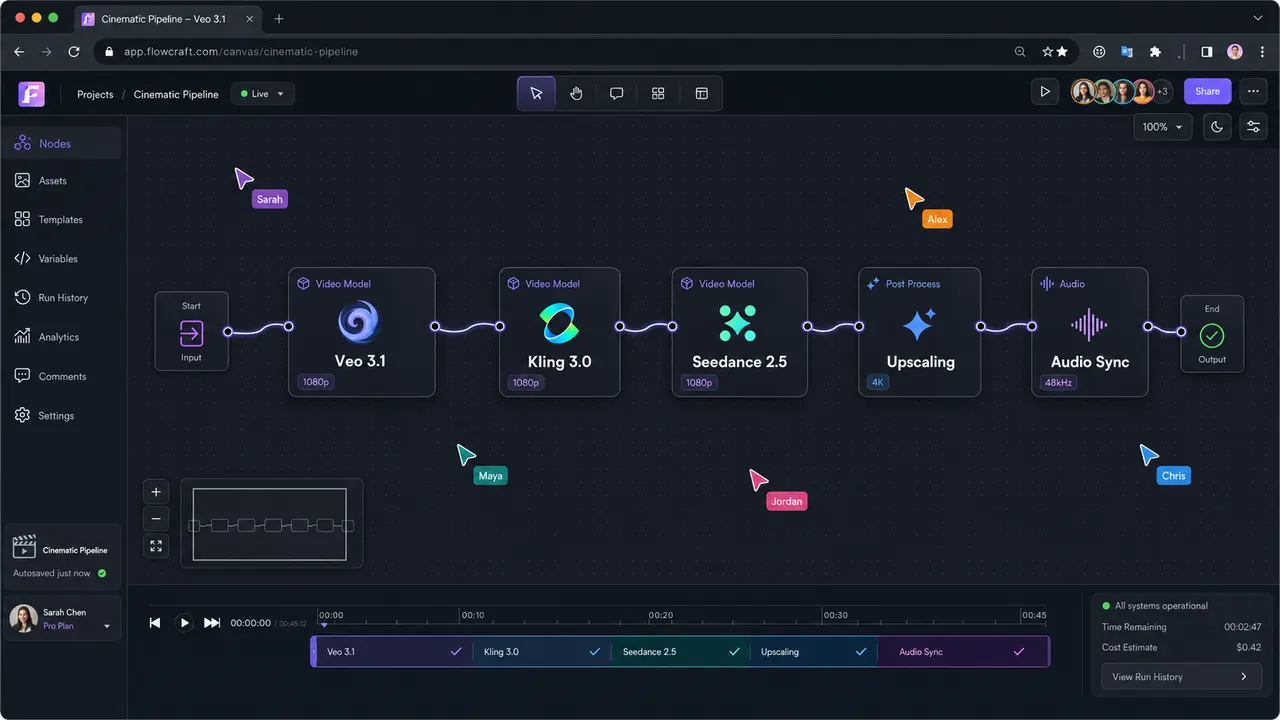
Platforms including Wireflow and LitMedia's Unlimited Canvas (July 2026 launch) now let teams chain multiple video models — text-to-video into image-to-video into upscaling into audio sync — on a single visual canvas without switching tools. The model is ComfyUI's node graph logic in a hosted, no-GPU browser environment. Collaborative canvas workflows are reporting 65% reductions in revision cycles for teams that can't run local inference.