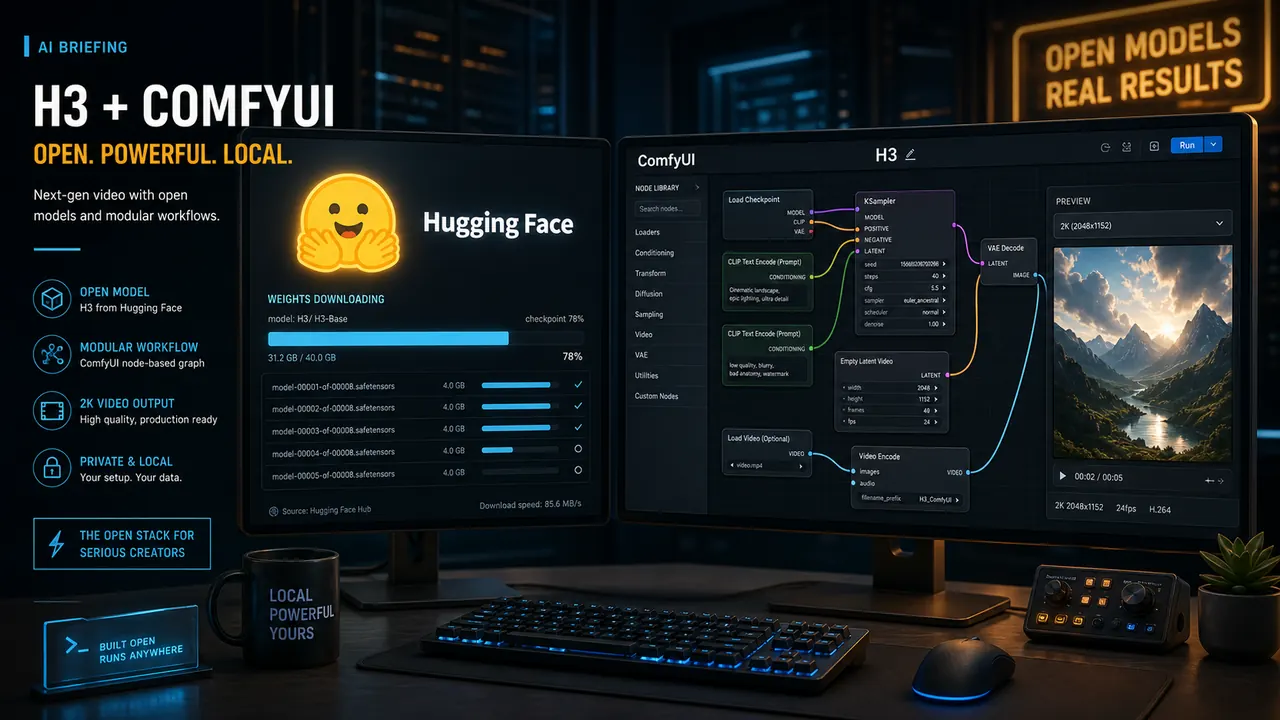
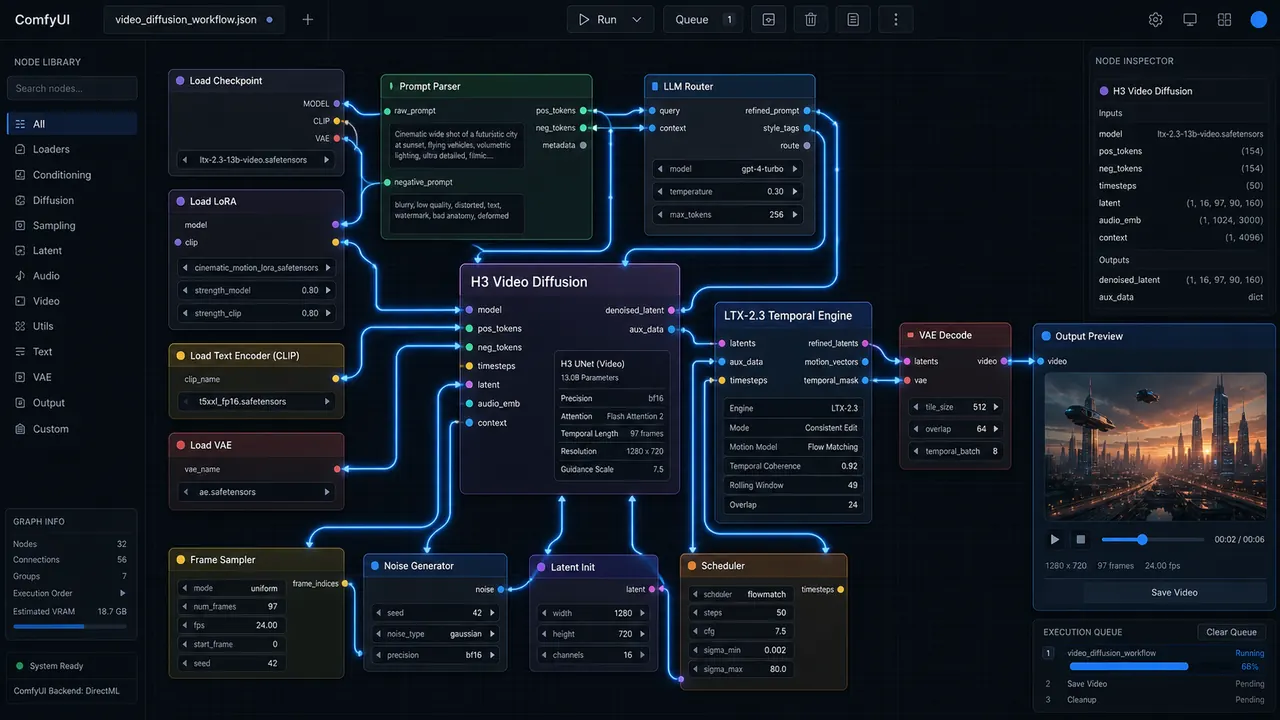
MiniMax released H3 open weights to Hugging Face on August 3rd — a 33B-parameter omnimodal model that outputs up to 15-second 2K clips at 24fps with native stereo audio baked in, no separate audio post step. It benchmarks number one on video editing and number two on text-to-video per Artificial Analysis, and MiniMax claims per-second pricing at under one-third of mainstream rivals. Territory catch: US, EU, UK, and Korea users cannot run the weights locally under the MiniMax Community License — API access still works, but local runners in those regions are blocked.
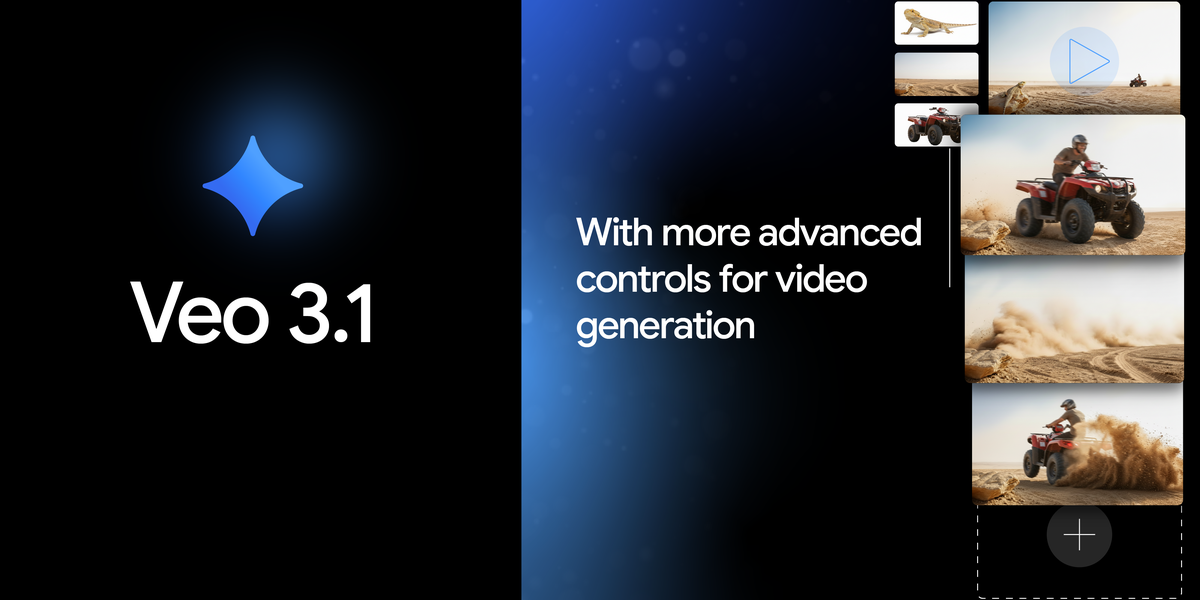
Google dropped Veo 3.1 and a new budget tier, Veo 3.1 Lite, into paid preview on August 3rd via the Gemini API, Google AI Studio, Vertex AI, and Flow. The Lite variant costs less than half of Veo 3.1 Fast at equivalent speed — a meaningful pricing move for high-volume workflows. Improvements over Veo 3 include stronger narrative control, better image-to-video fidelity, and enhanced audio sync; scene extension and last-frame control are the highlighted production use cases.
Runway's Unlimited plan converts to Max on September 1st — no pricing change through August 31st, so existing subscribers have a month to decide. On the API side, ElevenLabs v3 expressive speech landed July 30th with emotion tags like laughs and whispers, and a Model Router now auto-selects the best model per task based on your optimization preference. The negative prompt parameter also rolled out across all video models on July 10th.
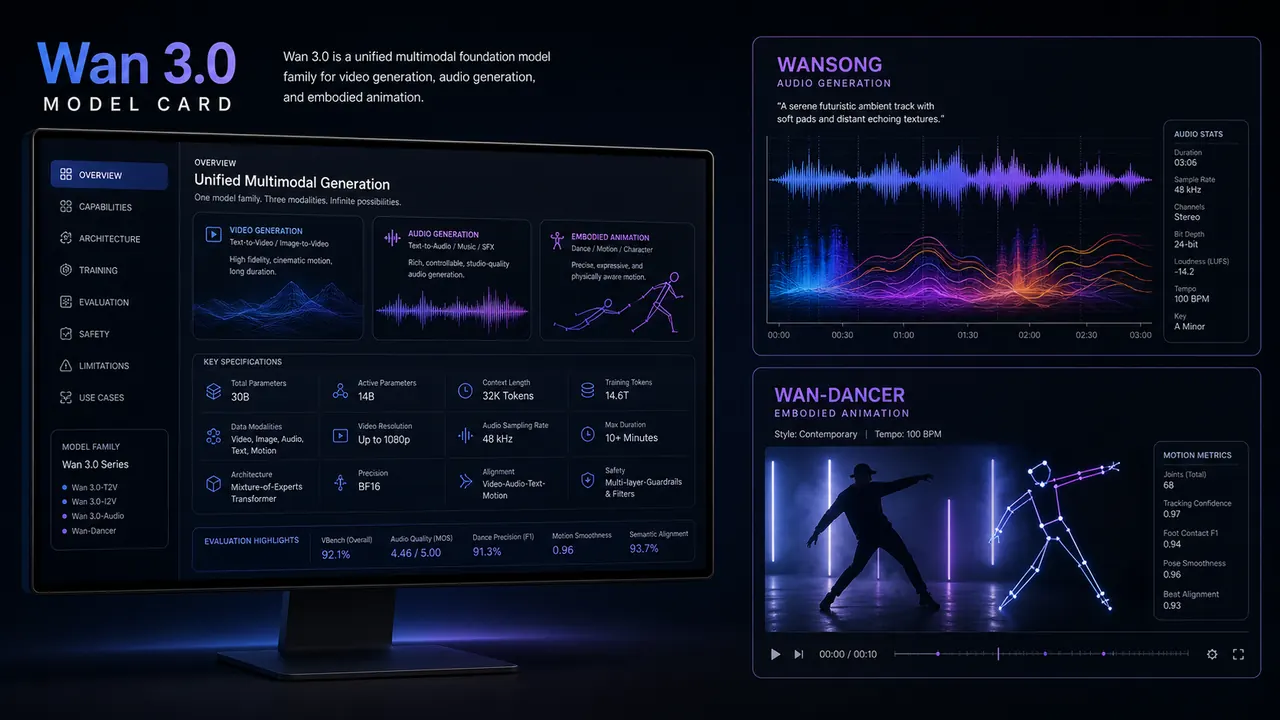
Wan 3.0 remains the open-source flagship with 1.3B and 14B weight variants, native 4K, 30-second clips, and phoneme-level lip sync across 12 languages. July added two Apache 2.0 companions: WanSong for text-to-music generation and Wan-Dancer-14B for music-to-dance video. Unconfirmed leaks point to an Alibaba announcement around August 6th — nothing official as of this morning.
Lightricks' LTX-2.3 has hit 18 million downloads on Hugging Face — a serious adoption signal for an open-source video model. The Pro variant covers audio-to-video, retake, and extend; the Fast variant handles text-to-video and image-to-video. July brought the LTX Trainer announcement, supporting video, audio, and cross-modal conditioning in a single training framework — meaning fine-tuned LTX models for specific styles or characters are now much more accessible.
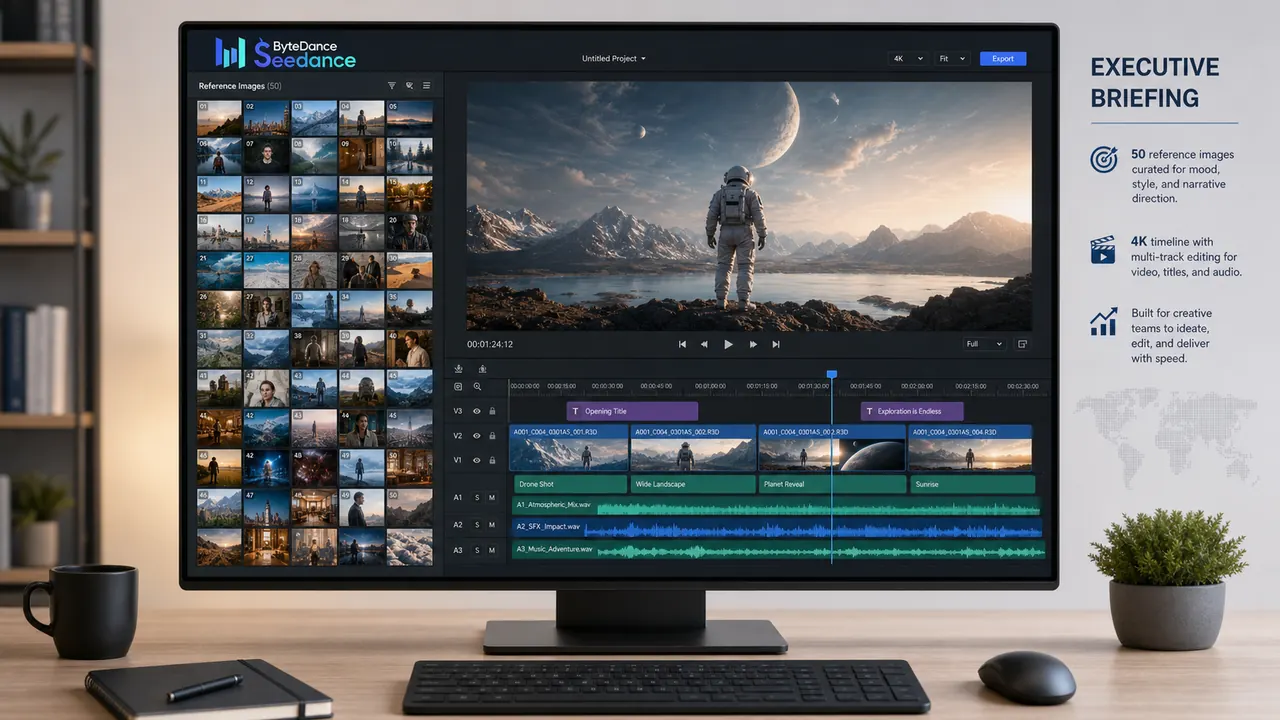
ByteDance's Seedance 2.5 finished worldwide distribution through July after its June 23rd announcement. Native 30-second clips in a single pass, true 4K output, and support for up to 50 reference inputs per generation — plus region-level editing so you can fix one detail without regenerating the full clip. Available via Jimeng and Dreamina; the arxiv paper for 2.0 is worth reading for architecture depth.
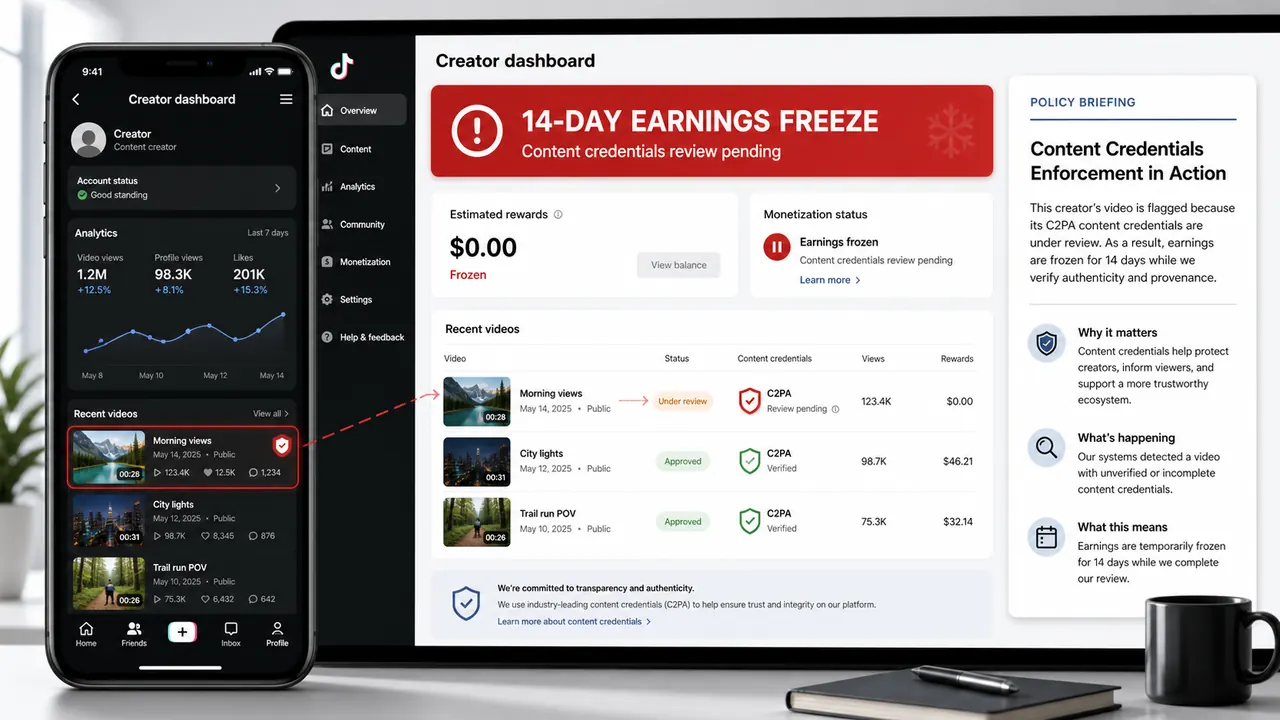
TikTok is now using C2PA Content Credentials for automated AI detection, and if the system catches unlabeled realistic AI content before you label it, you lose Creator Fund earnings for 14 days — even after you add the label retroactively. Meta unified its AI labeling across Instagram and Facebook in February with the Imagine AI detection system, automatically applying "Made with AI" tags. YouTube still requires manual disclosure; repeated failure triggers monetization penalties, and CPM for disclosed AI content runs $3 to $5 per thousand views in general entertainment, up to $35 in finance and tech niches.
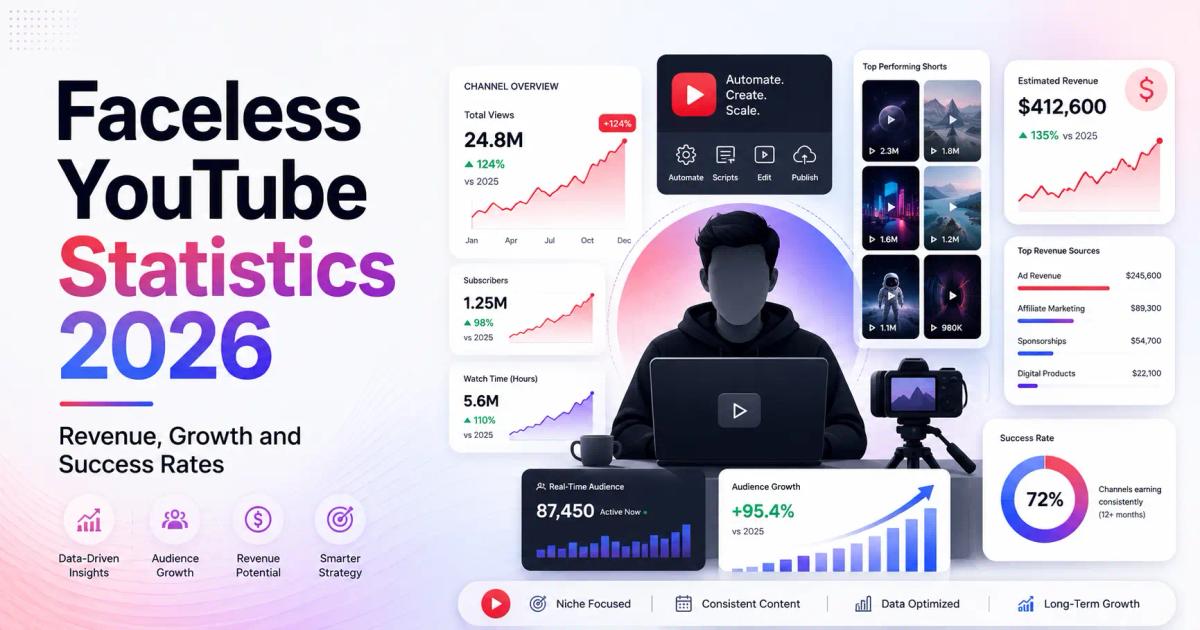
New data puts faceless AI channels at 38 percent of new creator monetization ventures, up from 12 percent in 2022. Production cost per video with current tools is under three dollars. Top performers like DaFuq Boom are reportedly pulling $500K to $1.3M per month; verified mid-tier channels hit $2,800 to $15,000 monthly after 12 to 18 months. High-CPM niches — finance, AI/tech, SaaS — push $5,000 to $50,000-plus monthly from AdSense after 100K subscribers.
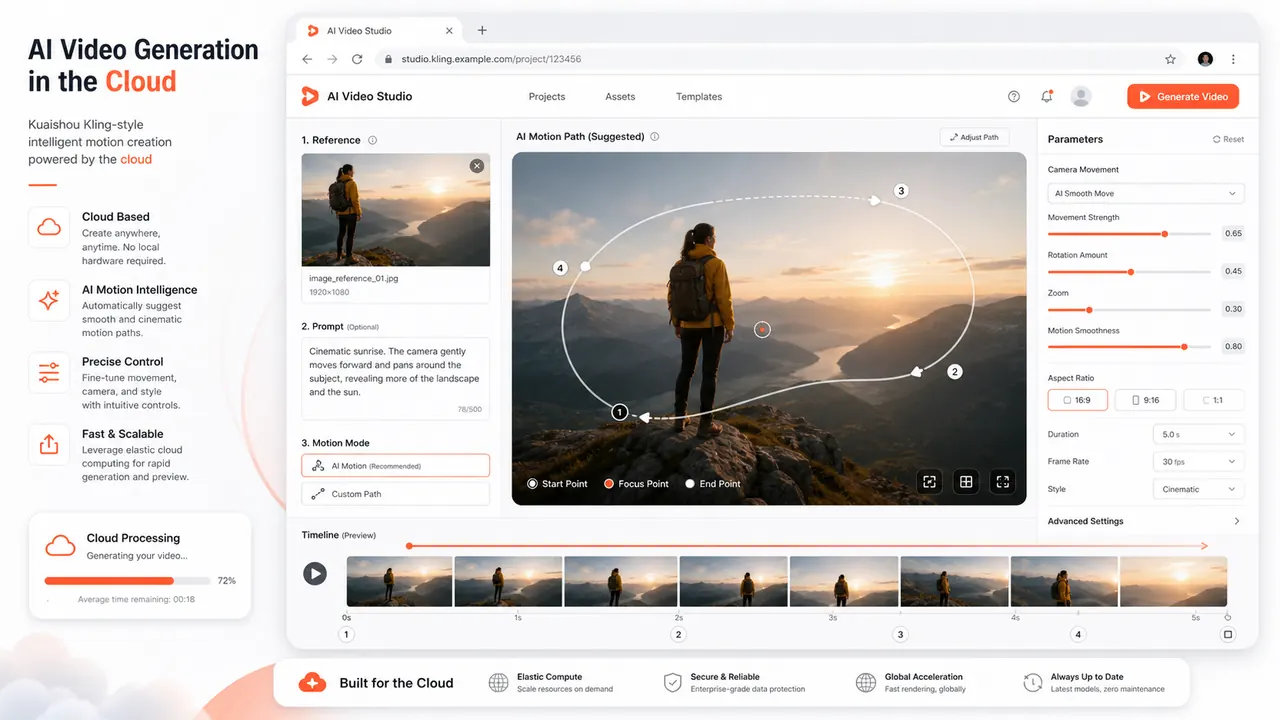
Kuaishou's Kling 3.5 is fully browser-based with no local GPU requirement, and its headline feature is prompt-less refinement — the model reads visual cues from uploaded images and suggests natural motion paths without written prompts. The 4K Omni engine from the 3.0 Turbo release is the underlying architecture. It's being positioned specifically at filmmakers and marketers who want professional motion without the rendering overhead.
FLUX.1-dev remains the production standard for text-to-image inside ComfyUI, but the active development frontier has moved to video diffusion, audio-conditioned animation, and LLM-routed graph workflows. H3's ComfyUI node support landed August 3rd same-day as the weights, and LTX-2.3 has a canonical workflow on comfy.org. The Desktop app continues maturing with improved custom node versioning and discoverability.