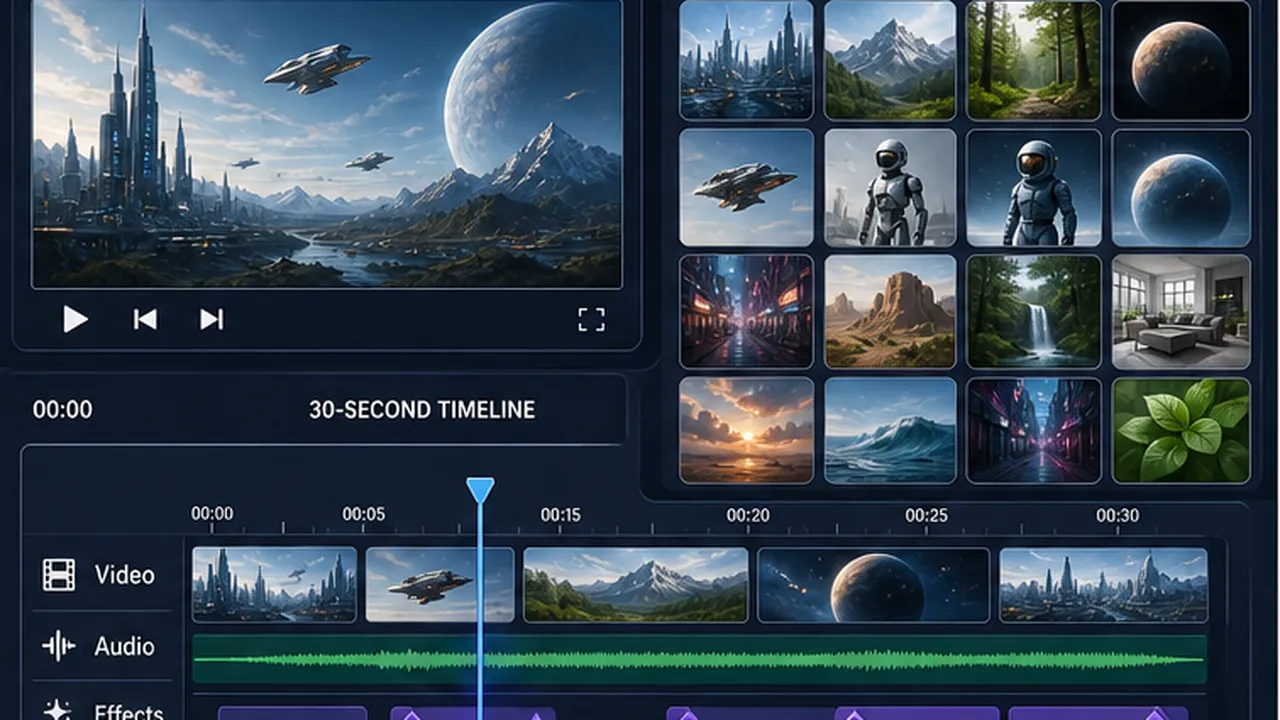
ByteDance officially launched Seedance 2.5 on July 31, doubling single-generation duration from 15 to 30 seconds without clip stitching. The model accepts up to 50 mixed-modal reference inputs (30 images, 10 videos, 10 audio clips per prompt), adds timestamp-based and green-screen editing, and reportedly eliminates the plastic-artifact look from 2.0. Currently rolling out on Jimeng AI and Doubao Pro; Volcano Engine API access is imminent.
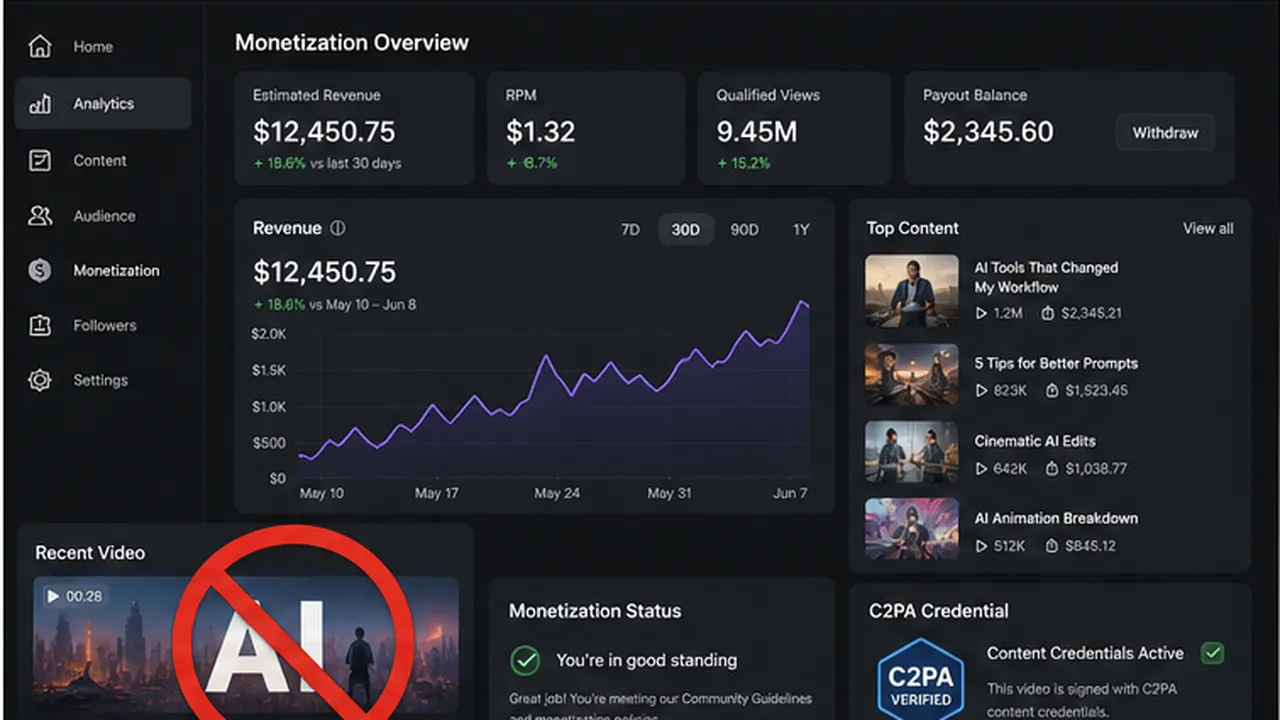
TikTok's Creator Rewards Program categorically excludes AI-generated video from monetization in 2026 — not a labeling workaround, a flat ban. The platform now auto-detects synthetic media via C2PA Content Credentials even when creators don't self-disclose, and unlabeled AI content triggers a 14-day zero-earnings window for the entire account. Enforcement actions against unlabeled AI content reportedly jumped 340% through 2025. Properly labeled AI is still eligible for brand deals and affiliate revenue, but native platform monetization is off the table.
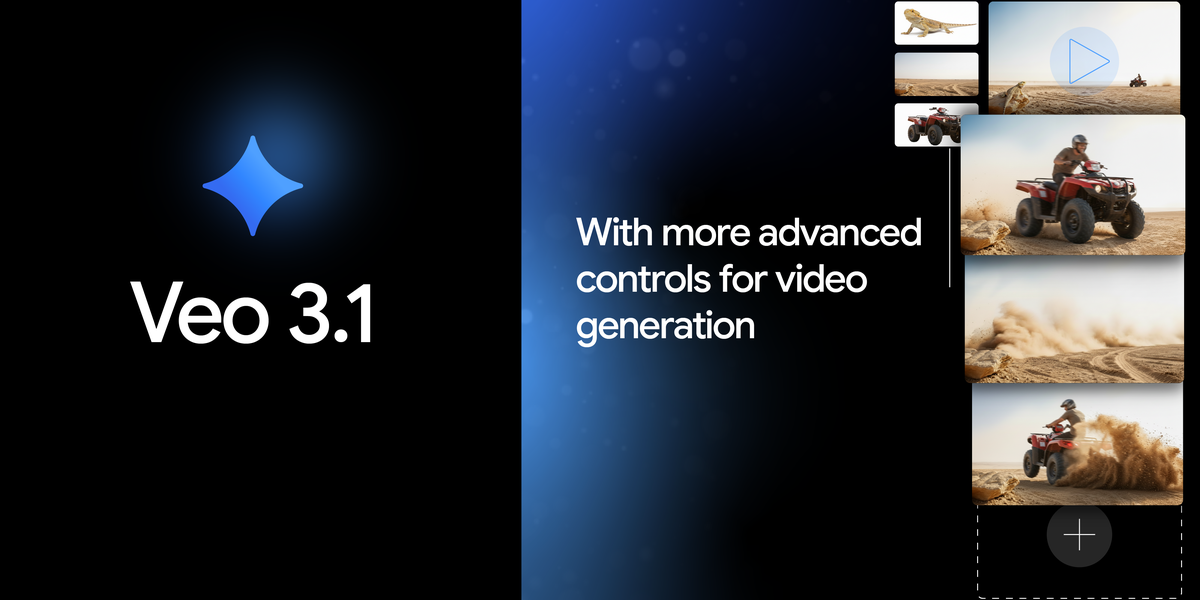
Google's Veo 3.1 now generates native vertical video for Shorts and Reels, extends scene coherence to 60 seconds (up from 30-45 in 3.0), and offers 4K upscaling via Vertex AI. The model leads on prompt adherence and native audio sync and is available now through Gemini API in Google AI Studio, Vertex AI, and the Flow video editor. A new Veo 3.1 Lite tier also landed on Vertex for lower-cost inference.
The Adobe-Runway multi-year partnership has materialized: Gen-4.5 is now available inside Adobe Firefly with early-exclusive access before general release. The model brings realistic physics-based motion, strong temporal consistency, and multi-motion brush directly into Premiere Pro and After Effects workflows. Adobe and Runway are co-developing capabilities that will ship exclusively inside Creative Cloud — meaning some Gen-4.5 features will never hit the standalone Runway platform.
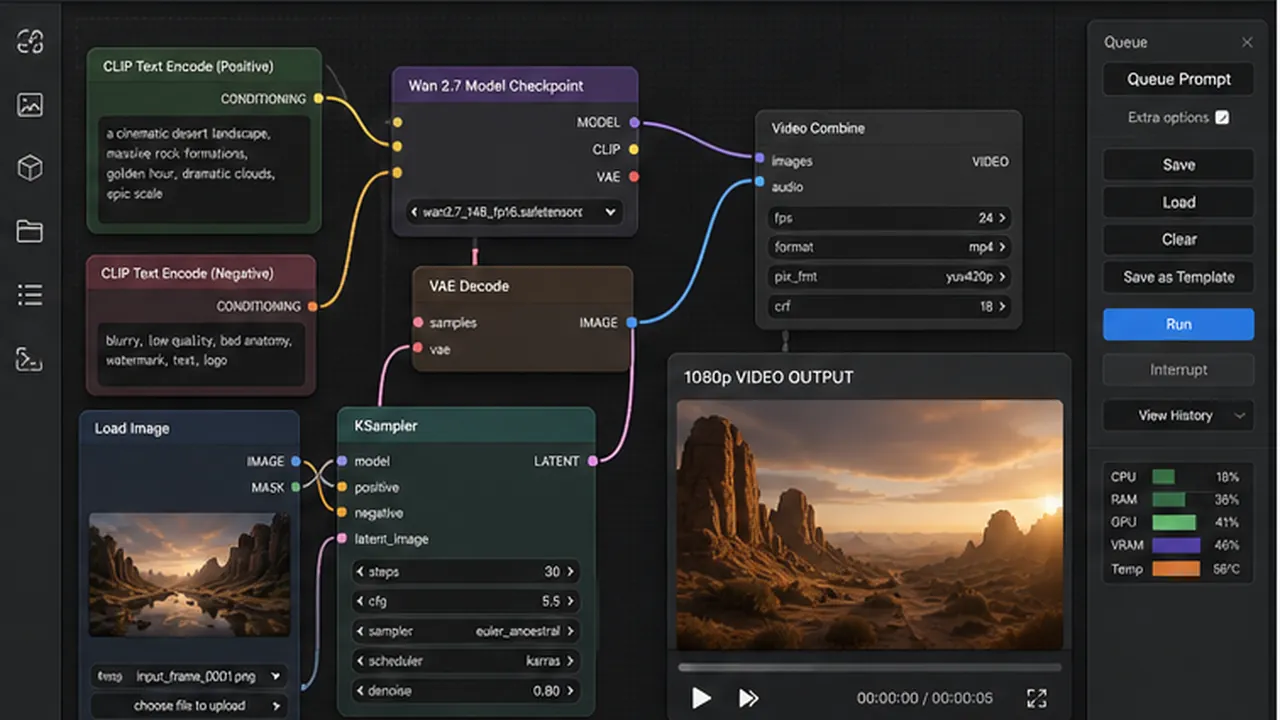
Alibaba's Wan 2.7 has become the open-source benchmark for local AI video: 27B parameters with 14B active via Mixture-of-Experts, Apache 2.0 licensed, generating 1080p video up to 15 seconds with native audio output in the same pass. It covers text-to-video, image-to-video, reference-to-video with voice cloning, and instruction-based editing in one suite. Available on Model Studio and wan.video; over 15,000 GitHub stars signals serious community adoption.
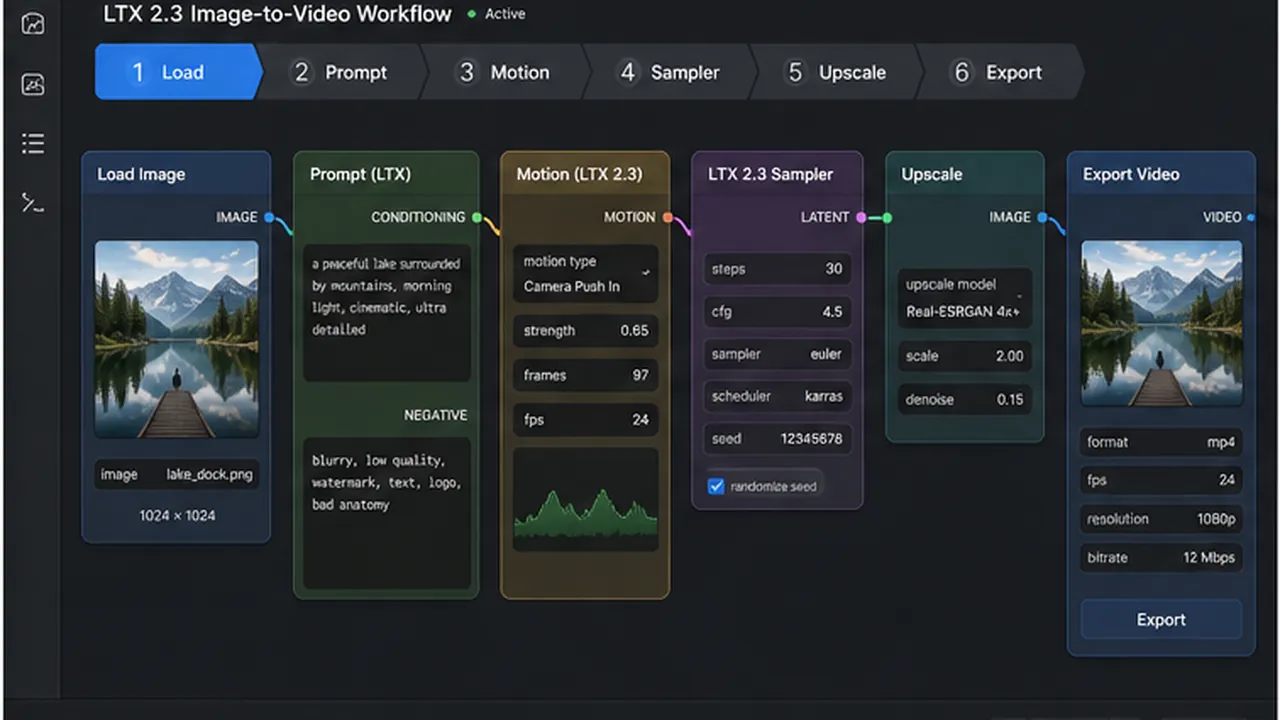
Lightricks' LTX-2.3 is now supported natively in ComfyUI from v0.22 onward — six built-in workflows covering T2V and I2V, BF16 and FP8 inference, no custom nodes required. The 22B-parameter open-weight model generates simultaneous video and audio and ships with a rebuilt VAE and a 4x larger text connector for dramatically better prompt understanding. ComfyUI nodes also skip GUI overhead, making local generation noticeably faster than the hosted Lightricks interface.
Kuaishou's Kling 3.0, launched February 4 on a unified multimodal architecture, added an AI Director feature that handles multi-shot storyboard generation with automatic camera transitions and a Director Memory system for character consistency across shots. Output is native 4K (not upscaled) at 60fps up to 15 seconds, with lip sync in five languages and multiple dialects. It's currently ranked among the top two models for cinematic lighting and complex motion alongside Veo 3.1.
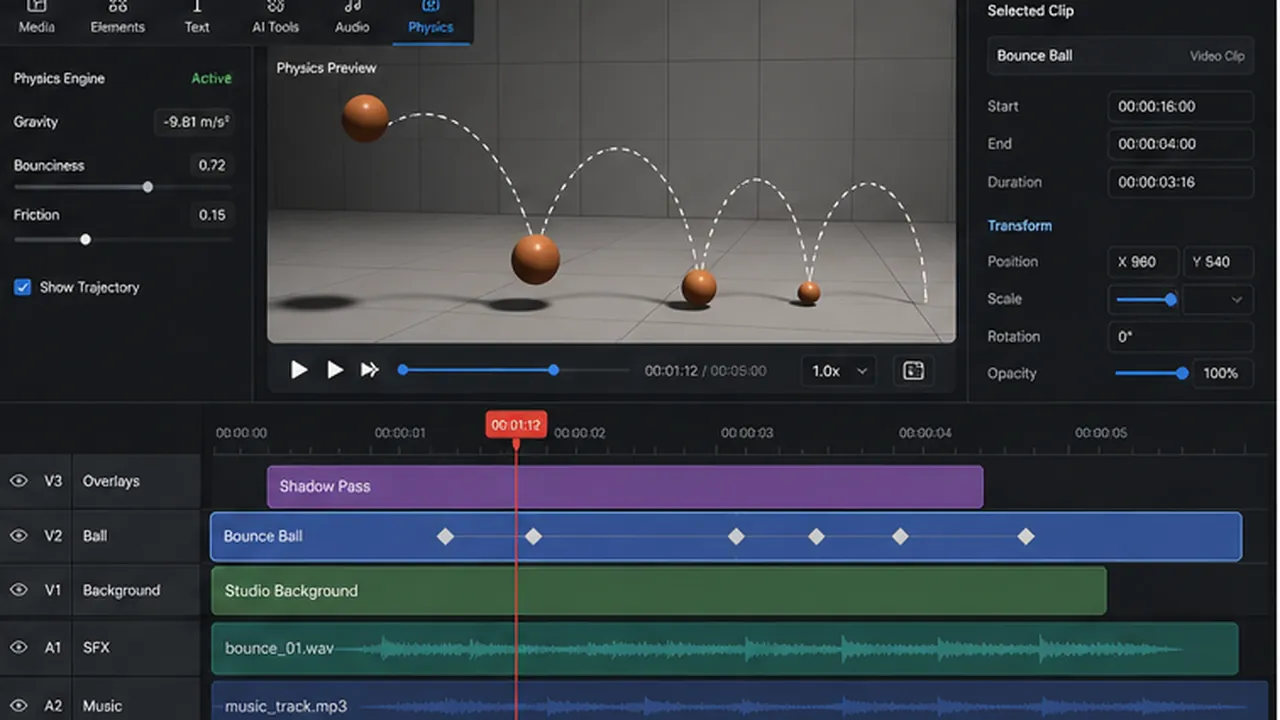
Pika 2.5 launched Pika Studio, a timeline-and-layer editor that moves the platform from single-clip generation to a compact motion design app. The update's headline feature is a physics engine that understands weight, gravity, collision detection, and fluid dynamics, making previously fake-looking physics interactions — bouncing, crashing, splashing — render convincingly. Improved lip sync now competes with HeyGen for localized character work, and a new storyboard mode lets creators plan multi-shot sequences before committing to generation credits.