ByteDance unveiled Seedance 2.5 at the Volcano Engine FORCE conference, with full access opening August 7 — that's tomorrow. Key upgrades over 2.0: 30-second single-shot output (no more stitching shorter clips), support for up to 50 reference materials in one generation, precise video editing, and native multilingual output. Character consistency at this reference count changes what multi-scene storytelling looks like on this stack.
The European Commission's AI Office began enforcing Article 50 of the EU AI Act three days ago. Any AI-generated or AI-manipulated video distributed to EU audiences must now carry a clear, machine-readable disclosure label — including content from non-EU creators. Fines run up to 15 million euros or 3% of global annual turnover. Satirical and clearly fictional work gets lighter treatment, but realistic AI video does not. TikTok's parallel four-tier AIGC penalty system has been active since May and imposes earnings freezes for unlabeled content. Label everything, retroactive corrections do not clear the penalty.
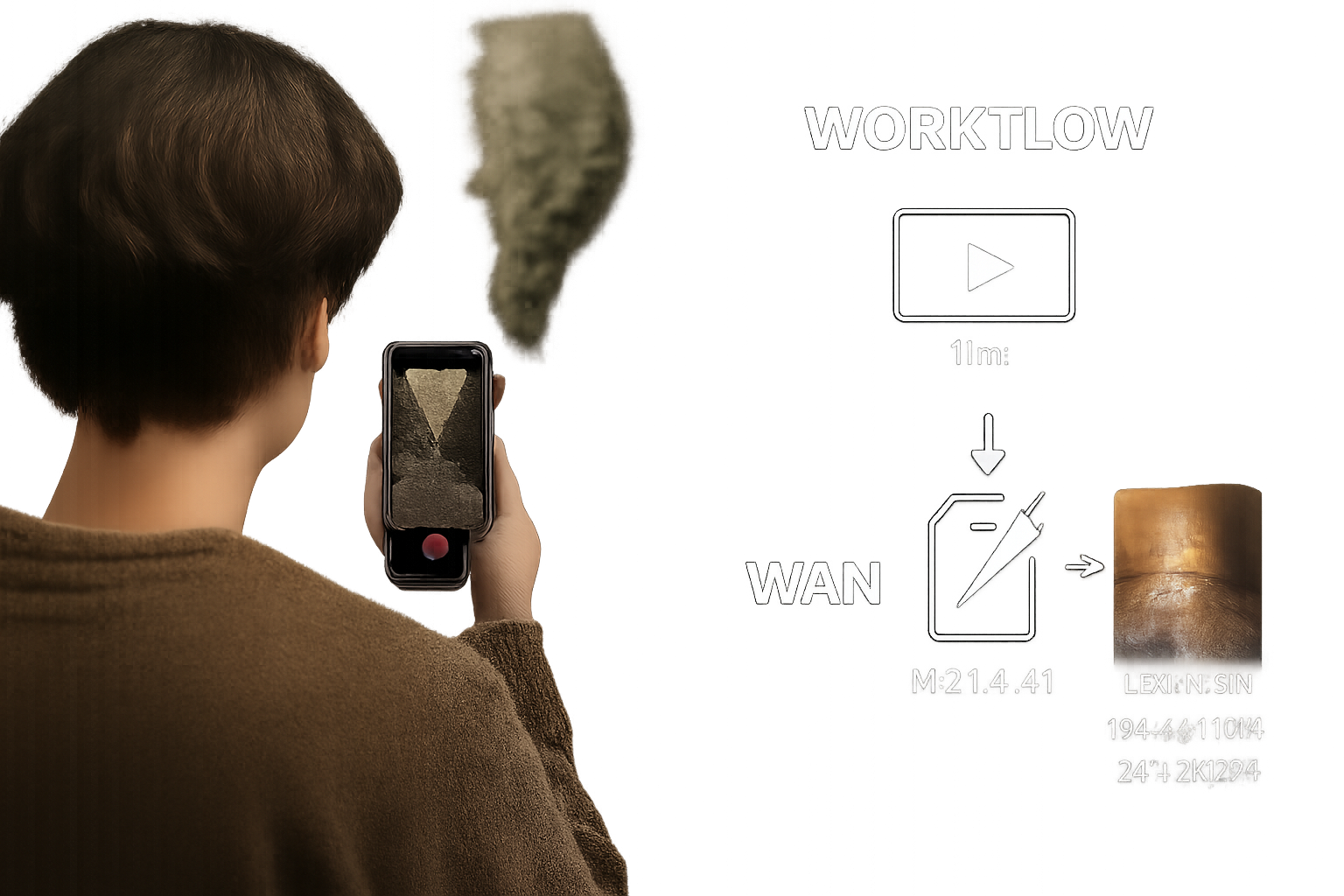
The workflow shift the r/aivideo community has been tracking all summer is now consensus: shoot crude reference footage on your phone for motion and timing, feed it to a video-to-video model to reskin the aesthetic entirely. You get precise pacing control that pure text-to-video cannot deliver. Magic Hour and Wan 2.7 Fun Control are the two tools cited most. This approach is collapsing the gap between storyboard intent and final output in ways that text prompting alone never could.
Wan 2.7 Video (April 7 release) ships with first-and-last-frame control, instruction-based video editing, multi-reference character consistency, and native 1080p at 24fps. ComfyUI now ships official Wan 2.7 templates; setup time on an existing rig is under 20 minutes. It replaces three separate node chains with one workflow layer and is currently the strongest open-source option for operators running local pipelines.
Daily Jesus Devotional sits at 1.4 million subscribers and 137 million total views, pulling an estimated 4,000 to 11,000 dollars per month on AdSense alone. The broader format — Hindu deity placed in hyper-realistic luxury SUVs synced to viral audio — is driving massive views across Indian creator communities. Production cost across these channels is under three dollars per video. The margin gap and the lack of attention from Western creator circles make this niche unusually open.
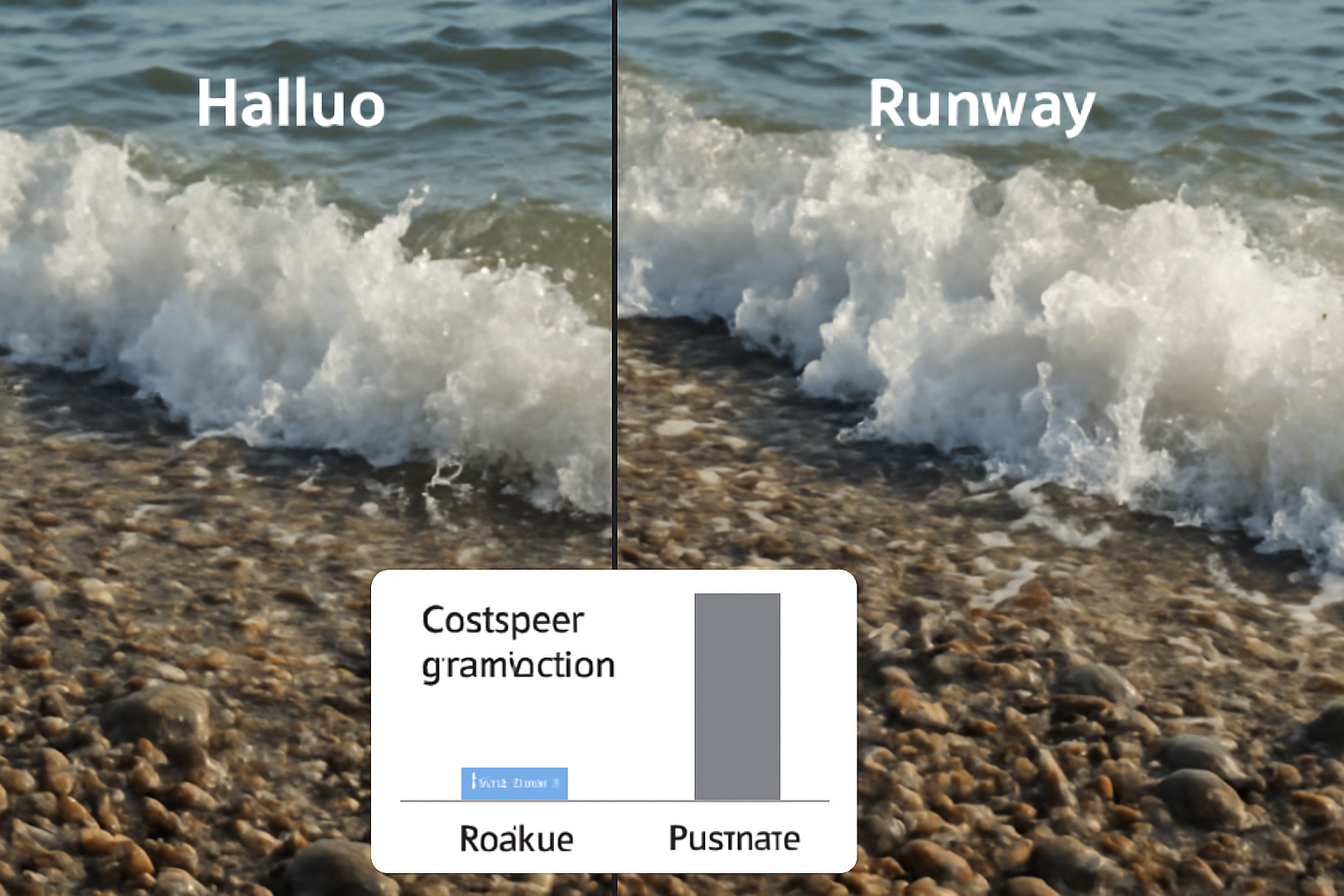
MiniMax's Hailuo 2.3 is drawing r/aivideo attention for photorealistic physics — water, cloth, impact dynamics — that benchmarks against Runway Gen-4.5 at significantly lower per-generation cost. MiniMax went public in Hong Kong in January 2026 at a 4 billion dollar valuation, raising 619 million dollars. This is not a scrappy open-source project; it is a capitalized platform. Community consensus calls it the best-kept secret for high-volume pipelines.
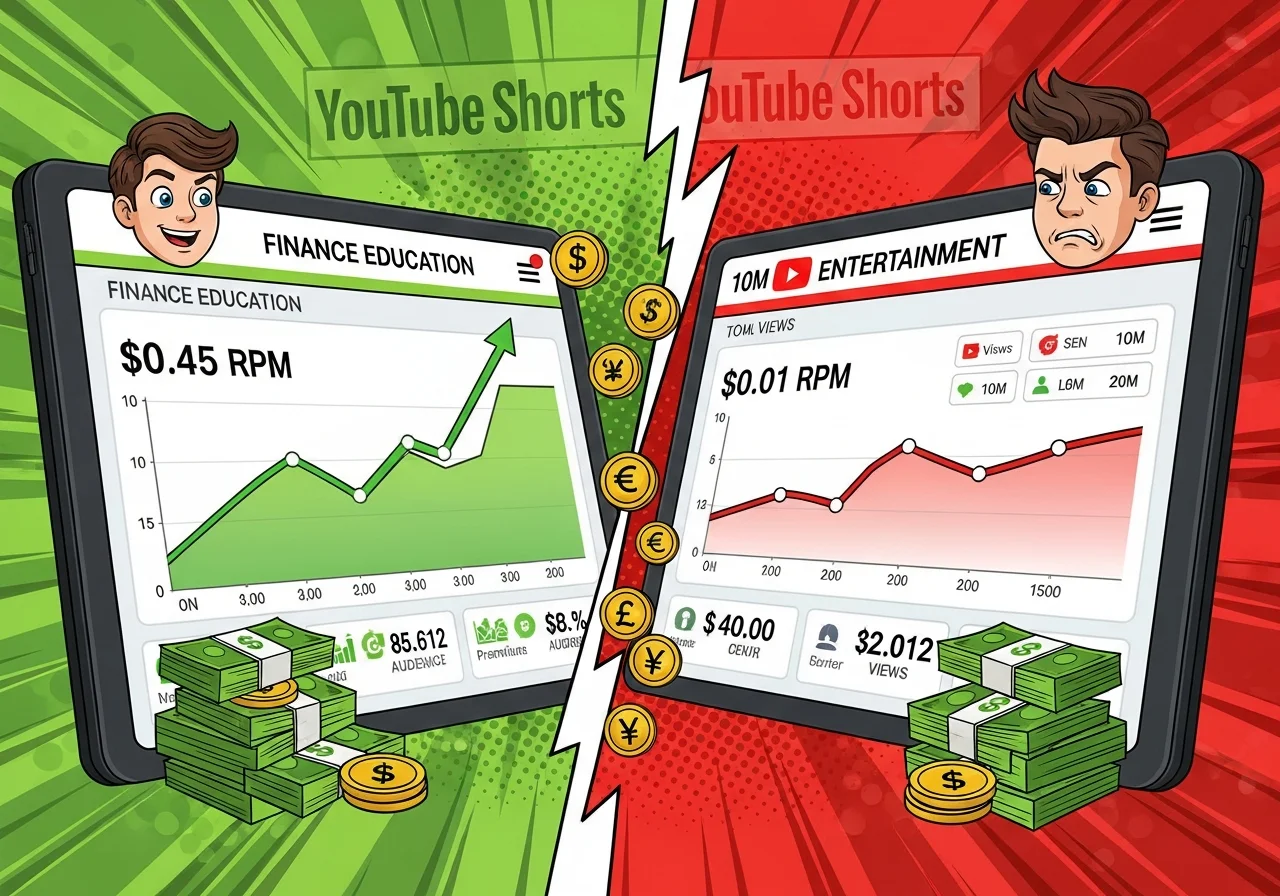
Horror earns 6 to 13 dollars RPM on YouTube Shorts versus a platform average of 0.03 to 0.10 dollars. The driver is mechanical: tension holds viewers to the end and triggers shares. AI animated horror is a clean production fit — no actors, no sets, full visual control. The niche is growing and not yet oversaturated. Finance tops CPM rankings but requires more editorial investment; horror delivers comparable RPM with a lighter production lift.
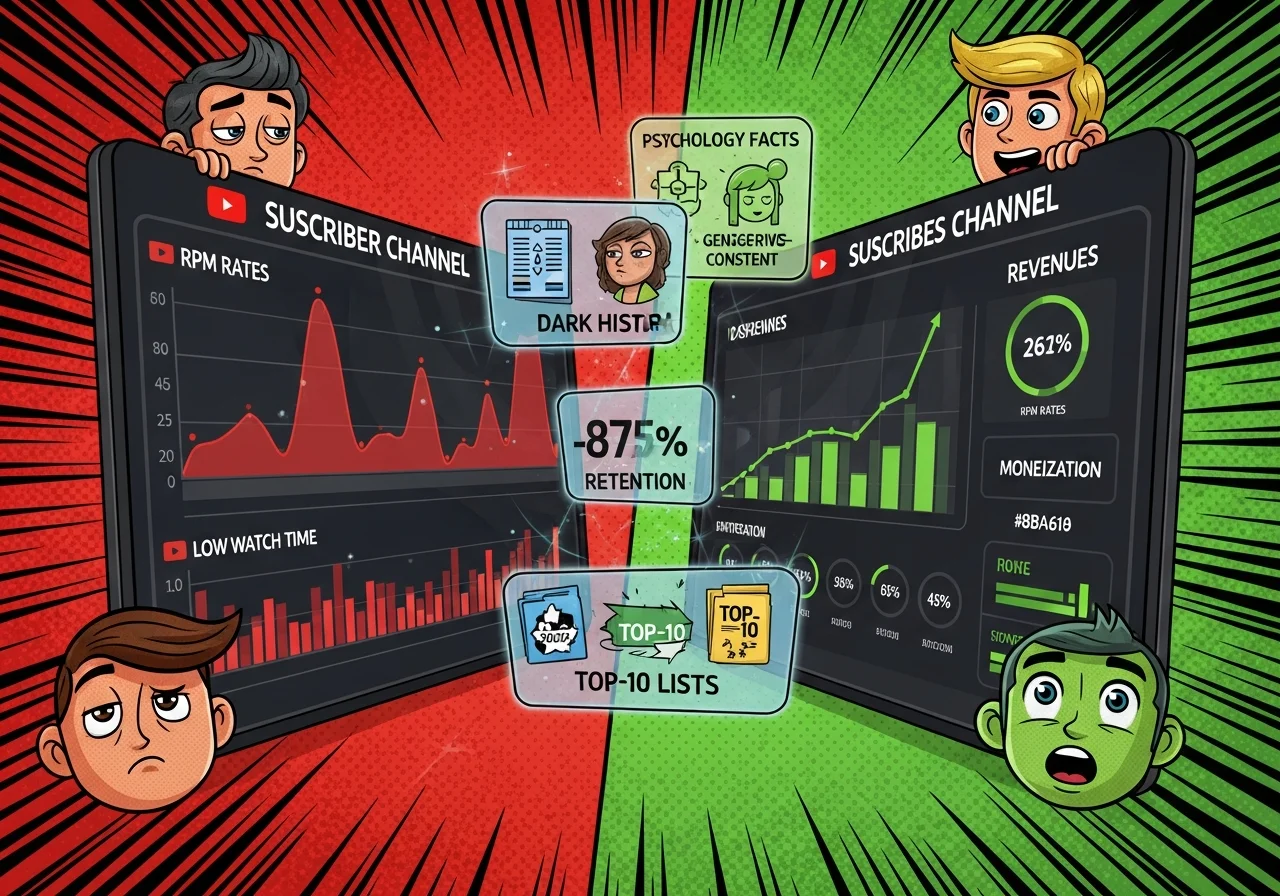
Analysis of 500 viral AI-video channels shows psychology content hitting 1,000 subscribers in 2 to 4 months with daily posting — faster than any other tracked niche. Shorts RPM is mid-tier at 0.05 to 0.14 dollars per thousand, but the subscriber accumulation rate makes it a strong long-form pipeline feeder. Dark psychology, persuasion, and relationship dynamics are the three sub-niches leading growth. If you are building a channel and want the fastest on-ramp to monetization thresholds, this is the data.