ByteDance opened public API access to Seedance 2.5 via its BytePlus international cloud platform on July 16 — the model is live and buildable right now. The headline capability is a native 30-second single-pass clip with no segment stitching, accepting up to 50 multimodal reference inputs plus region-level editing and 4K output. Audio and video are co-processed in the same latent space from frame one, which is why dialogue, ambient sound, and music cues stay locked across the full clip without manual correction.
YouTube's 2026 push under its broadened "inauthentic content" policy is hitting AI video creators at scale — the platform already permanently terminated 16 channels this year carrying 4.7 billion lifetime views and 35 million combined subscribers. Templated slideshows, AI narration without original commentary, and mass-produced faceless content are the primary targets. Failing to toggle the "altered or synthetic content" disclosure in YouTube Studio now triggers a three-strike system: warning, 90-day monetization suspension, then permanent YPP removal.
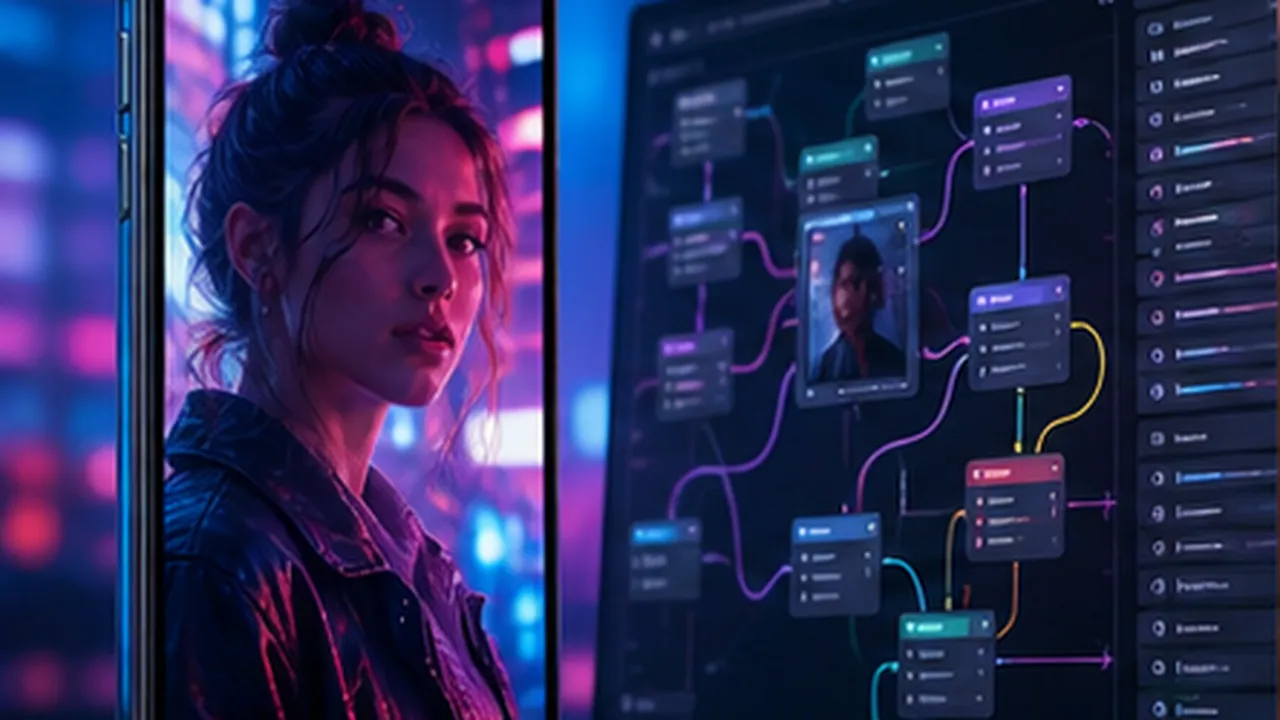
Alibaba's Wan 2.7 is now accessible in ComfyUI through the Partner Nodes system — update to version 0.18.5 and search for Wan2.7 in the template library. The pipeline supports five task types: text-to-video, three image-to-video modes (first-frame, first-plus-last-frame, and audio-driven), video continuation, reference-to-video, and video edit. You can feed up to five real-person image inputs plus a vocal timbre reference in a single workflow, making multi-subject and lip-sync setups considerably cleaner than prior versions.
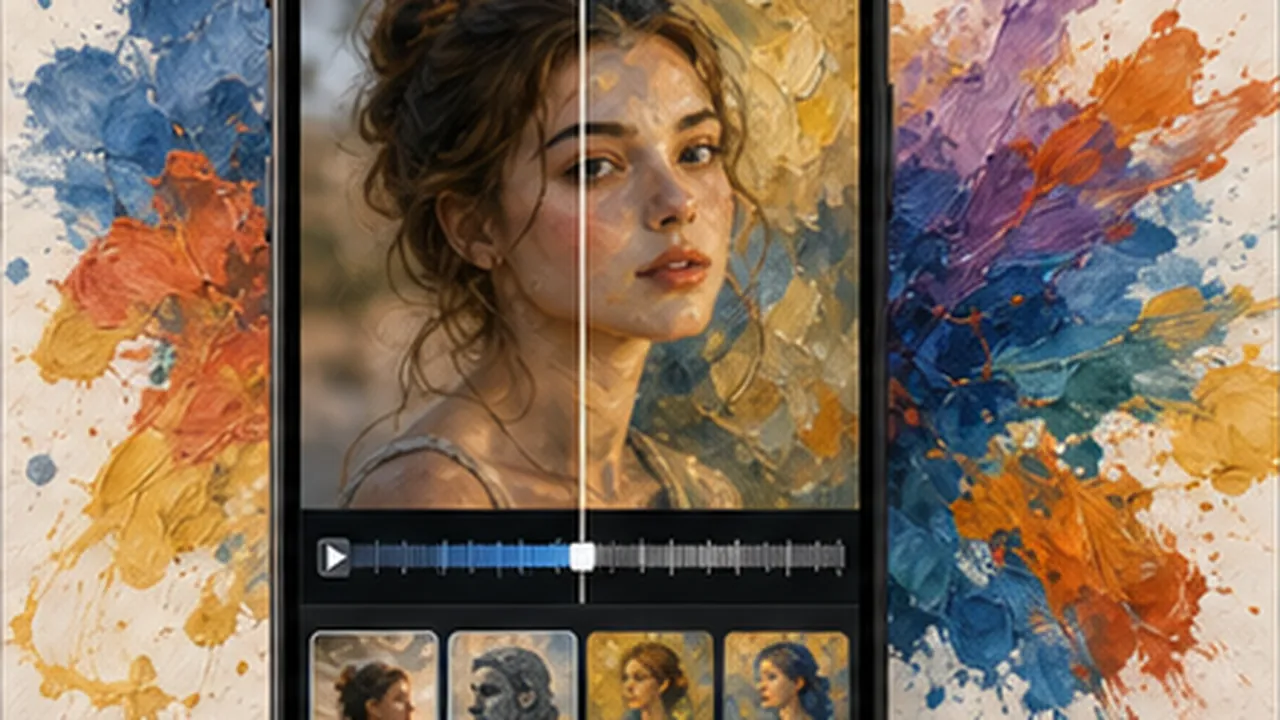
Google rolled out Video Remix in Google Photos on July 8, powered by Gemini Omni, letting AI-tier subscribers restyle existing clips with cinematic relighting, background swaps, and artistic modes including watercolor, sketchbook, and oil painting. Processing runs under two minutes per clip. Current limits: 10-second source clips only, Google AI Plus, Pro, or Ultra subscription required. The underlying Gemini Omni engine is the same stack powering Veo — this is essentially Google onboarding consumer audiences to AI video editing via their personal photo libraries.
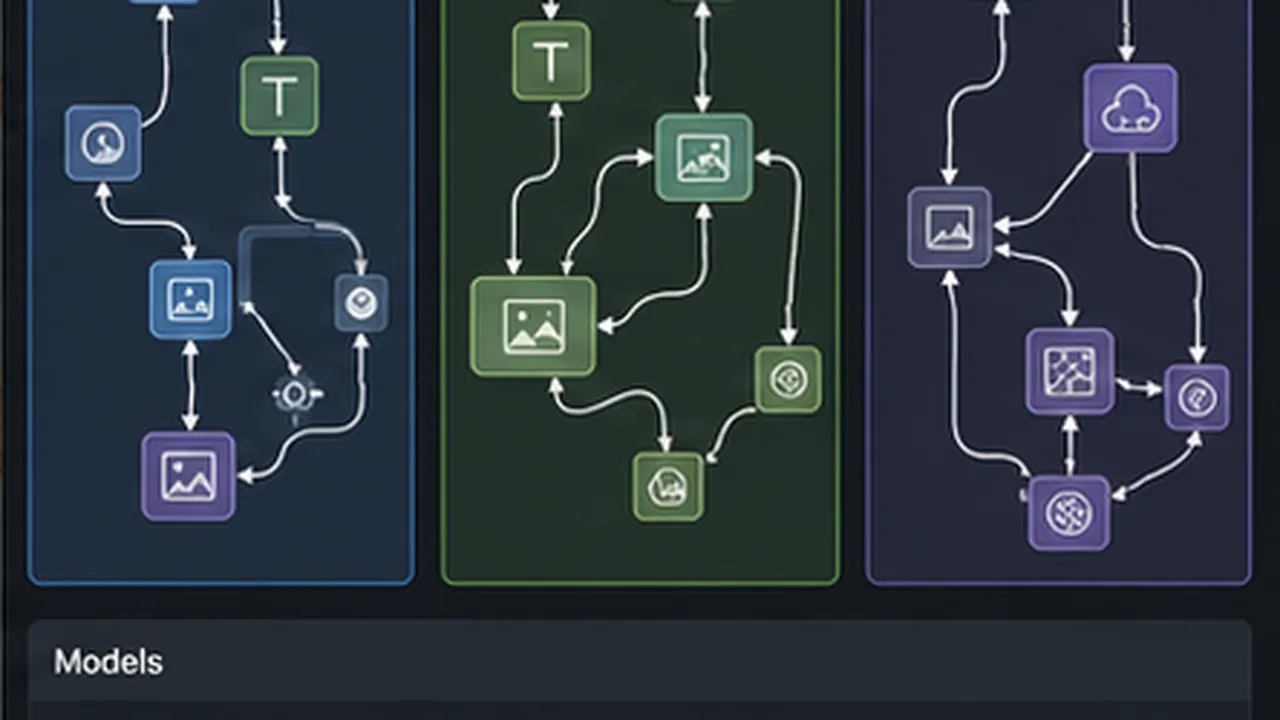
The app formerly called ComfyUI Desktop relaunched as Comfy Desktop on June 8 with a fundamentally new role: managing multiple parallel ComfyUI installs from one interface, each with its own version, custom nodes, and settings. Models are shared across all instances by default so you are not duplicating large checkpoint libraries, and every update now creates an automatic rollback snapshot. The update also added NVFP4 quantization support and async VRAM offloading.
Lightricks' LTX-2.3 (22B params, March 2026) trained on vertical footage from the ground up — subject framing, motion arcs, and camera movement are calibrated for 9:16 rather than cropped from landscape. ComfyUI's six native LTX-2.3 workflows default to 768x1280 as the practical 24GB VRAM target, with CFG at 5.5 and euler_ancestral for natural motion. The model supports 4K at 50fps with stereo 24kHz audio in a single pipeline, all without requiring a cloud subscription.
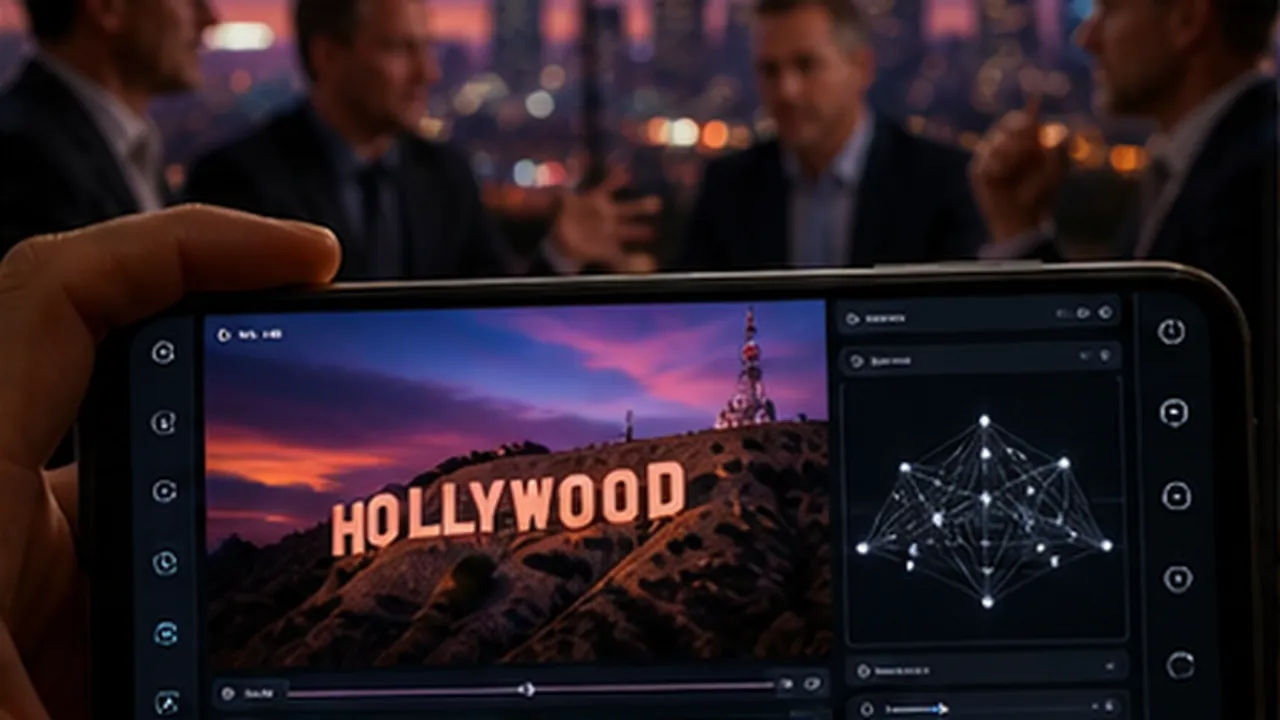
Every major studio has an unanswered cease-and-desist letter on file with ByteDance — Disney, Paramount, and the MPA have all accused Seedance of training on their IP. Yet independent filmmakers and executives at Cannes and in Los Angeles are reportedly lining up for access anyway, drawn by Seedance's cost-to-realism ratio versus Runway, Sora, and Veo. ByteDance added C2PA provenance watermarks and face-blocking filters after pausing Seedance 2.0's rollout in March, but no federal lawsuit has been filed and no court injunction exists.
The first case with a real shot at producing a judicial determination of whether AI training on scraped images and video constitutes copyright infringement is set for trial September 8 in the Northern District of California. The case centers on LAION training data and whether AI-generated outputs constitute infringing derivative works. A ruling against the defense would immediately trigger licensing conversations at every major model lab and reshape what open-source weights can include going forward.