The January purge killed 16 channels holding 35 million subs and 4.7 billion lifetime views, torching an estimated $10 million in annual creator revenue. The collateral damage is the real story: a Bible-story channel at roughly $30K/month and an exam-prep channel at about $7,500/month both got pulled, and neither was a pure AI shop. The policy line is human creative input per asset, not "did you use AI" — template-driven batch output is the trigger.
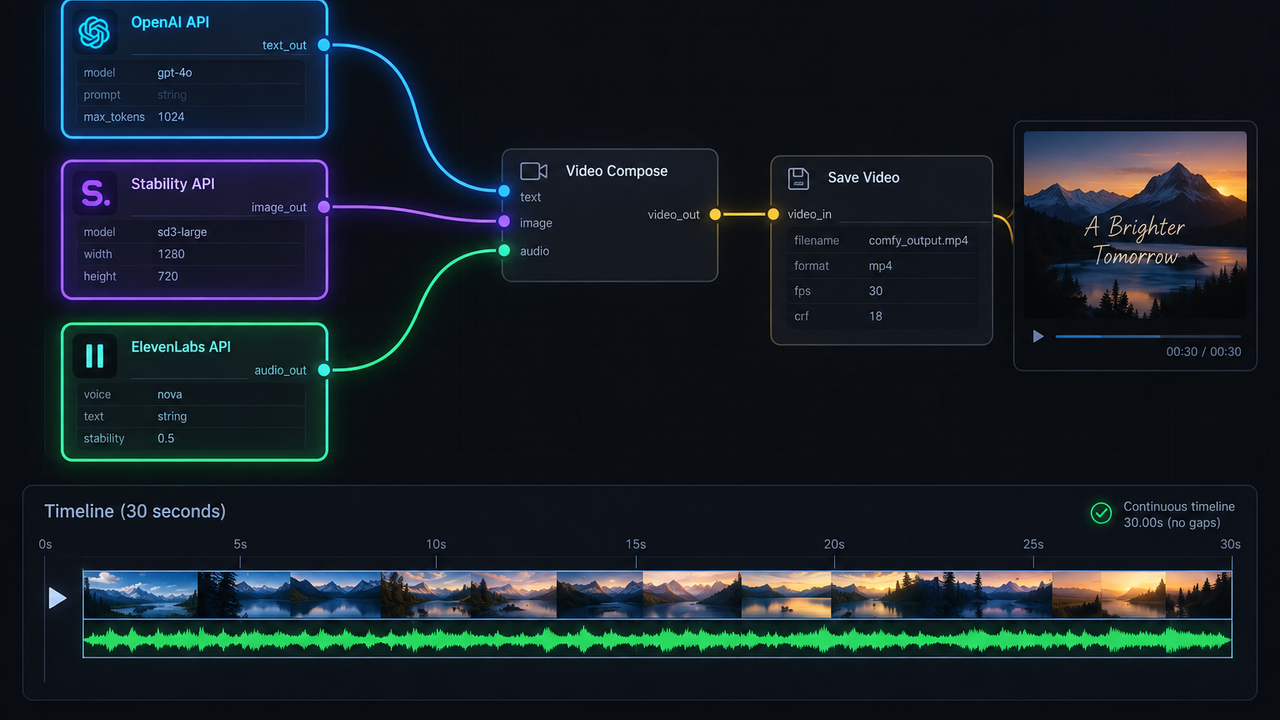
Alibaba's Wan 3.0 is live through three ComfyUI API nodes — text-to-video, image-to-video, and reference-to-video — with no stitching required for a full 30 seconds. Prompt input jumped to 20,000 characters and reference capacity now takes 10 images, 5 videos, and 5 audio clips. You need ComfyUI v0.33.4 or later, there are no local weights, and the new 480p tier exists specifically for cheap drafts before you commit to a 1080p render.
TikTok has now labeled over 1.3 billion AI-generated videos using C2PA Content Credentials, detection models, and watermarks only TikTok can read. Enforcement changed shape this year: undisclosed AI content gets downranked, not just retroactively labeled. The upside is that properly disclosed AI work stays fully eligible for Creator Rewards and brand deals, so labeling is now the cheap move.
ByteDance's Seedance 2.5 went API-available August 7 with 30-second generations, multi-round extension, and targeted editing. The provider spread is wild: Together AI lists about $0.115 per video, OpenRouter runs roughly $0.1028 per second, and PiAPI charges $0.30 per output second at 480p versus $0.60 at 720p. Same model, same weights — route your drafts to the cheap endpoint and only pay the premium on finals.
Lightricks shipped LTX-2.5 in August as open weights on Hugging Face and in ComfyUI with Nvidia RTX optimizations. The 2.x line does native 4K at 50fps with synchronized audio up to 10 seconds on a single 4090, and 12GB VRAM is enough for 720p-to-1080p drafts at 24-30fps in fp16. Licensing is permissive and free for commercial use under $10 million ARR — which means zero marginal cost per clip once the box is paid for.
One AI video operator posted north of $100,000 in gross merchandise value between September 21 and 27 — 3,969 orders and more than 4,200 units moved. That's a shop-driven model, not an RPM model, and it matters because Shorts RPM is sitting at $0.01 to $0.12 per thousand views depending on niche, with entertainment at the bottom at $0.01 to $0.04. Affiliate and product attach beats ad share by an order of magnitude at the same view count.
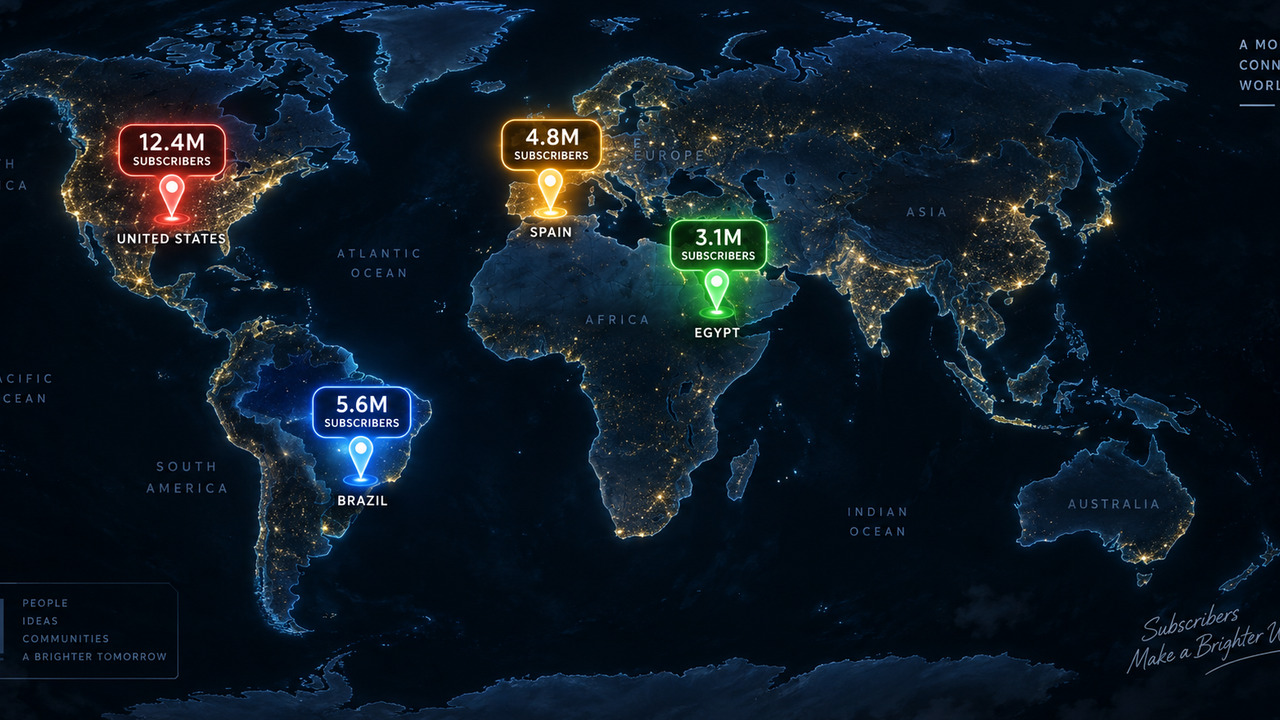
Kapwing's audit of 15,000 top channels isolated 278 producing nothing but AI content, together holding 63 billion views, 221 million subscribers, and an estimated $117 million in annual revenue. On a fresh account, 104 of the first 500 recommended videos were AI-generated. Geography is the actionable part — Spain leads with over 20 million subscribers to these channels, then Egypt at 18 million, the US at 14.5 million, and Brazil at 13.5 million.
While everybody piles into brainrot characters, AI ASMR remains flagged as a low-competition faceless lane, with survival and jungle-building ASMR called out as the fastest-growing sub-niche of 2026. The mechanic underneath is the same one brainrot exploits: a fresh visual every one to two seconds beats the scroll reflex, and short runtimes loop for better engagement signals. Dream-bed visuals and animated-character ASMR are named as still wide open.
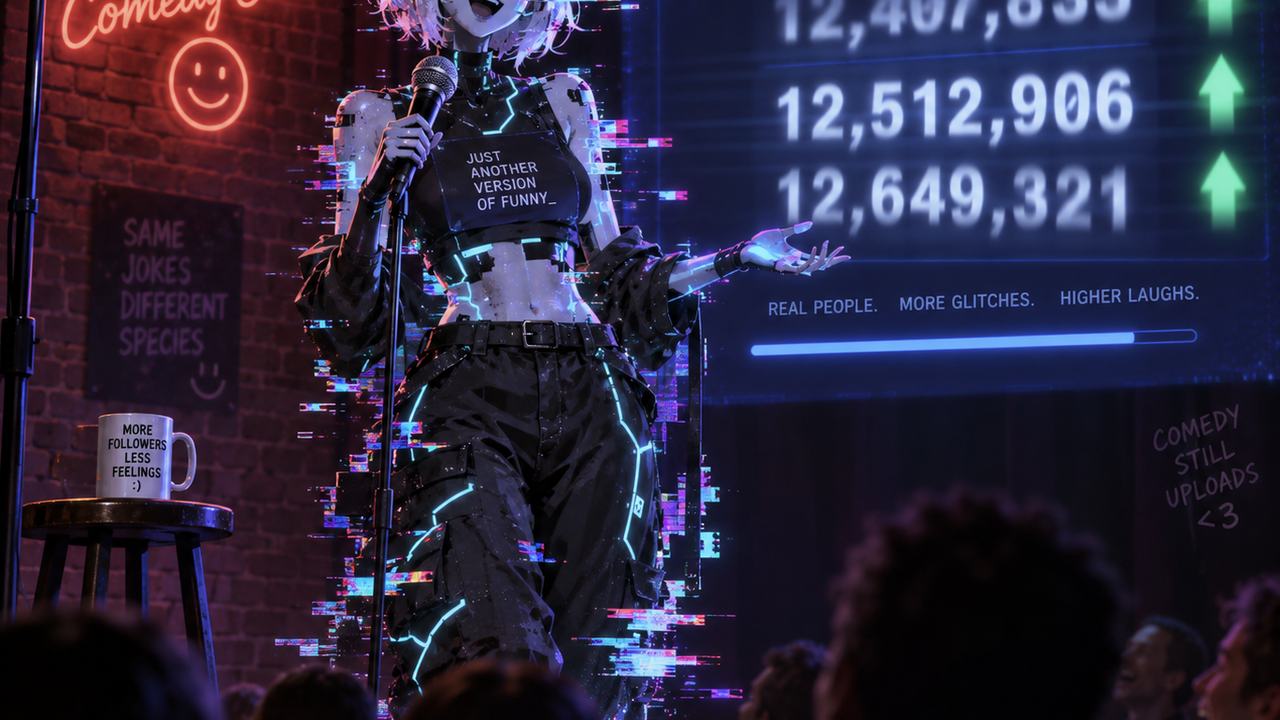
An AI-generated comedian account that started in September pulled past 375,000 followers in barely three weeks, with one clip clearing 7 million views in under two. The catch and the lesson: the jokes were lifted from working comedians, and the algorithm rewarded it anyway. Format velocity is clearly there for AI talking-head comedy — the sourcing is what makes it a liability rather than a playbook.