The rewritten guidelines took effect September 24, 2026, and they formalize AIGC labeling: any realistic person or scene generated synthetically needs a visible label, and TikTok is auto-detecting via C2PA Content Credentials whether you self-disclose or not. The good news for operators — the Creator Rewards Terms still never mention AI, so labeled AI video remains fully monetizable. Skipping the in-app label is what gets the video pulled or the account booted from the program, not the AI itself.
January's enforcement wave permanently terminated 16 channels with a combined 35 million subscribers — including a Bible-story channel at 588K subs doing roughly $30,000/month in ad revenue, fully demonetized for "mass-produced" output. The three kill-shots are verbatim readings of material you didn't write, identical templates reused across uploads, and slideshow-plus-scrolling-text with no commentary. AI-assisted stays monetizable; AI-assembly-line does not.
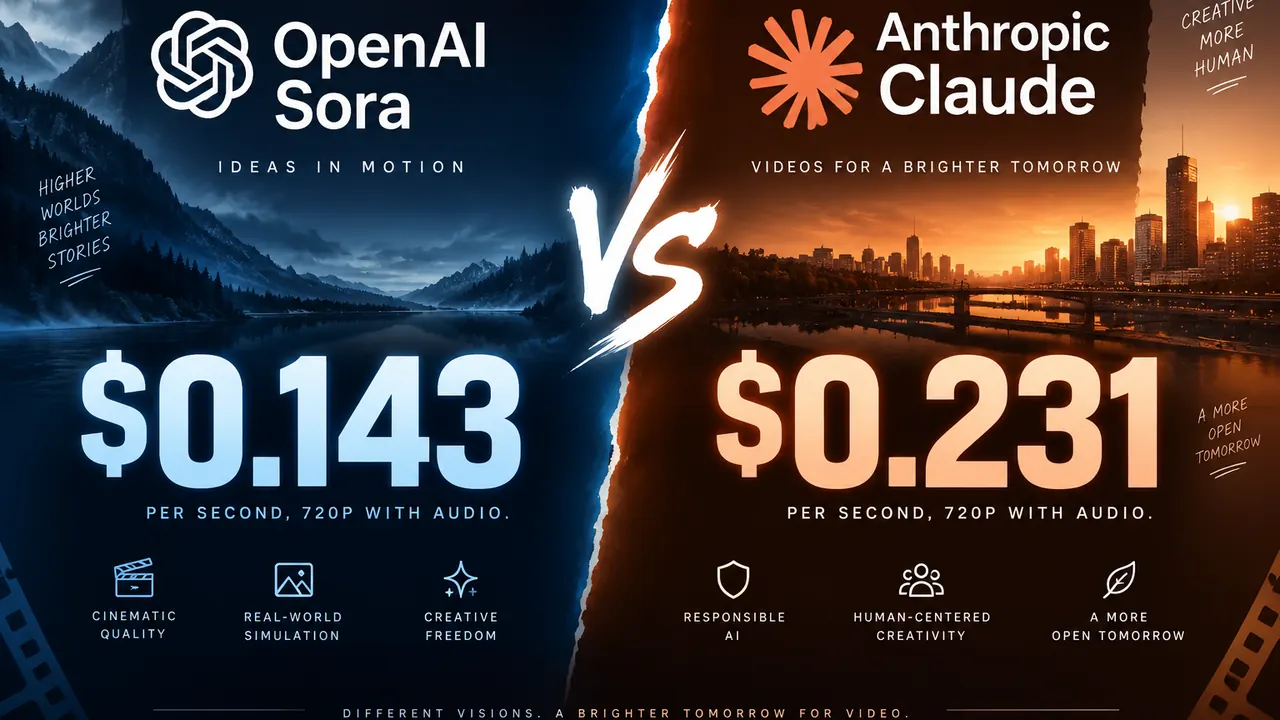
Kling 3.0 runs $0.143 per second at 720p with audio versus Seedance 2.5's $0.231 for the same tier — and Kling's been live and billable since February while Seedance 2.5, released August 7, has had patchy API availability on BytePlus ModelArk. Seedance scales to $2.08/second at 4K with audio. For a 30-second vertical at 720p, that's roughly $4.29 on Kling against $6.93 on Seedance — meaningful at 300 videos a month.
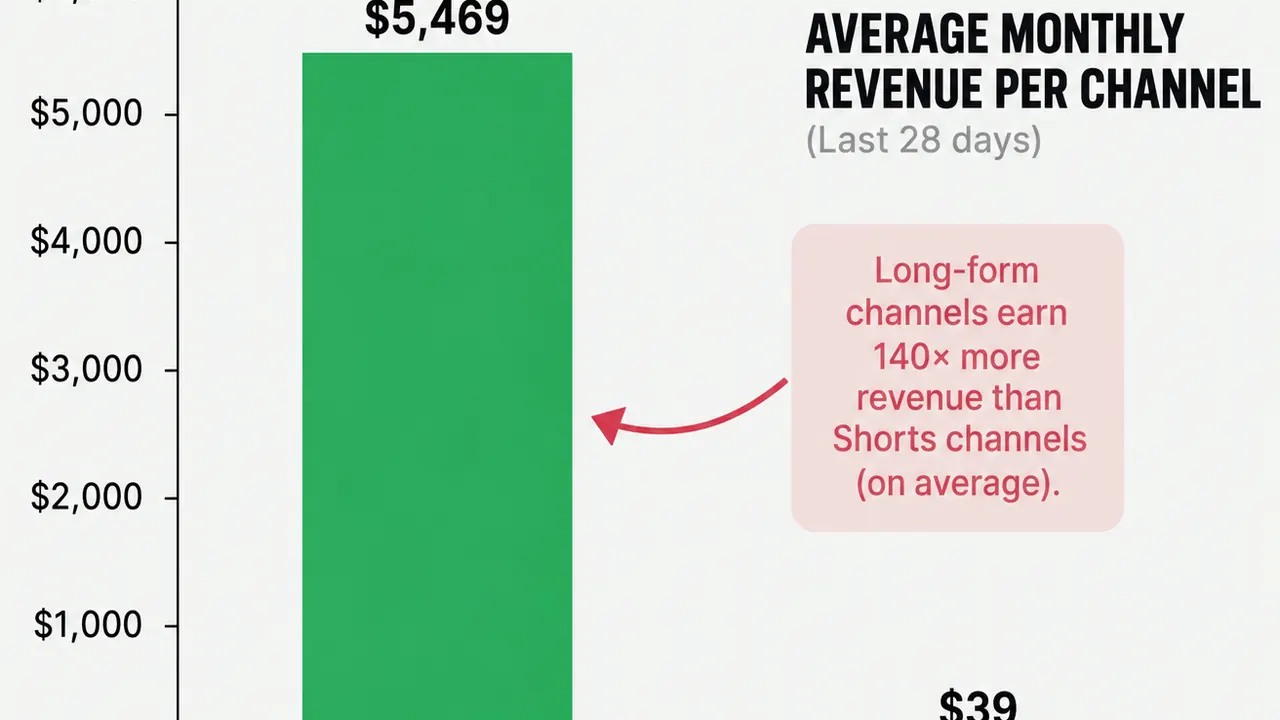
AIR Media-Tech pulled monetization data across 274 channels and found Shorts RPM lands at 3 to 14 percent of long-form RPM — meaning you need 11,000 to 34,000 Shorts views to match the revenue of 1,000 long-form views. Most creators sit between $0.03 and $0.10 per 1,000 Shorts views after YouTube's cut. The outlier worth studying: Bennett Santora's faceless entertainment channels hit $0.15–$0.30 Shorts RPM because they were built Shorts-native, not repurposed from long-form.
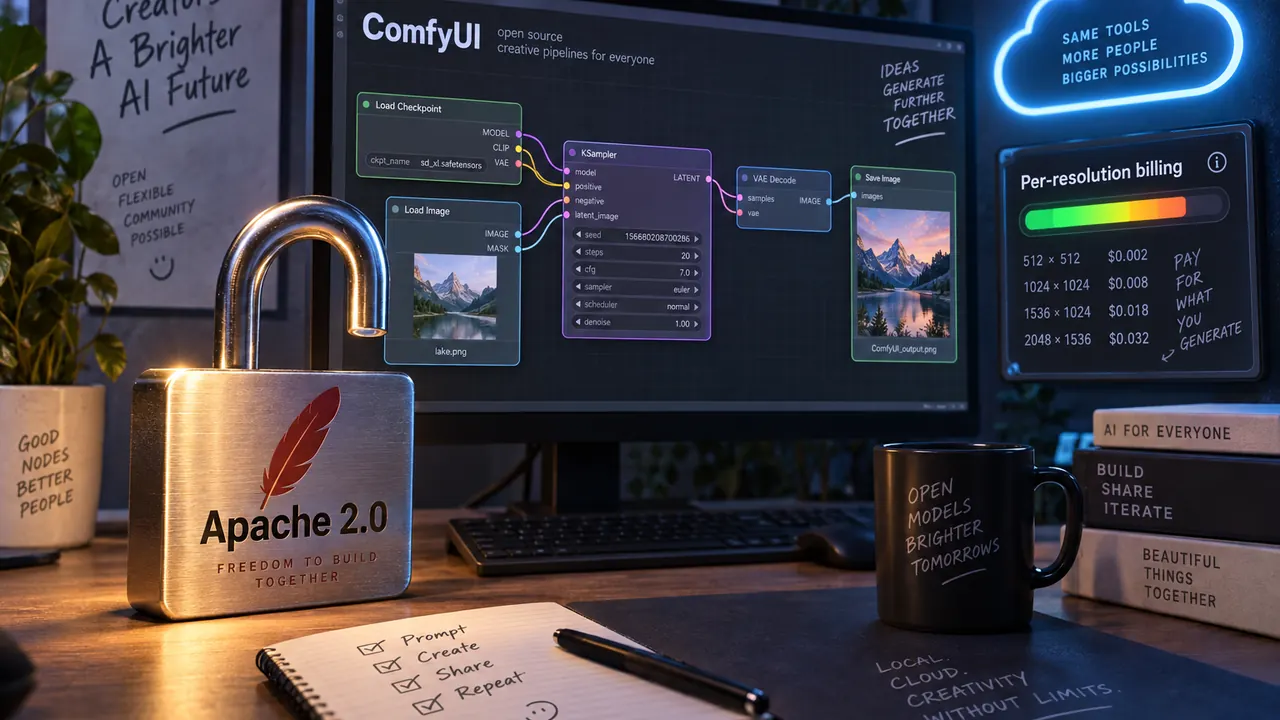
Wan 3.0 shipped under Apache 2.0 with 1.3B consumer and 14B professional weights around April 2026, and ComfyUI added 30-second generation on September 5. Catch: the ComfyUI integration runs through API nodes with per-resolution billing, not local weights. If you want truly local, the 1.3B runs on an 8GB card, the 14B wants 24GB-plus, and quantized builds squeeze onto 12–16GB for short clips — otherwise the Wan 2.2 family is still your native-local path.
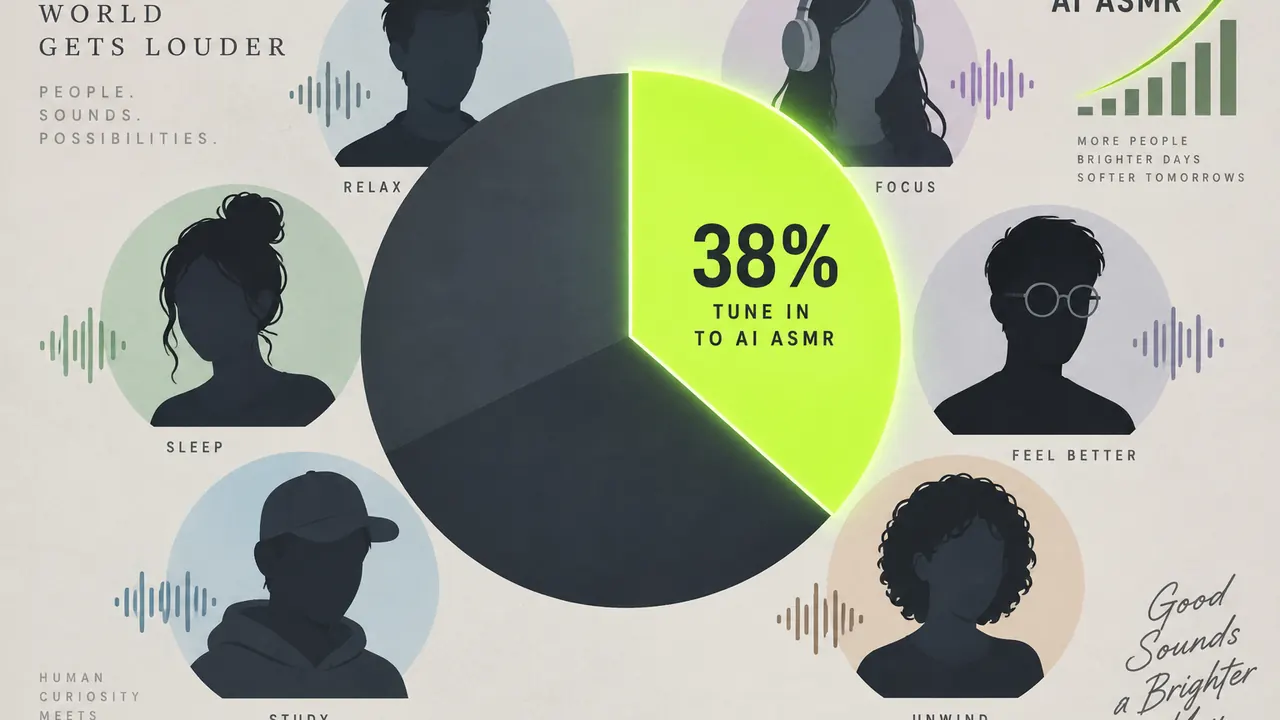
Faceless channels account for 38% of new creator monetization ventures in 2026, up from about 12% in 2022. But the algorithms have split the category: generic AI slideshow narration is getting demoted, while channels pairing AI production with a consistent recurring character and a defined point of view keep their reach. AI ASMR is the fastest-growing sub-category, with Ghibli-style ASMR the specific flavor picking up steam right now.
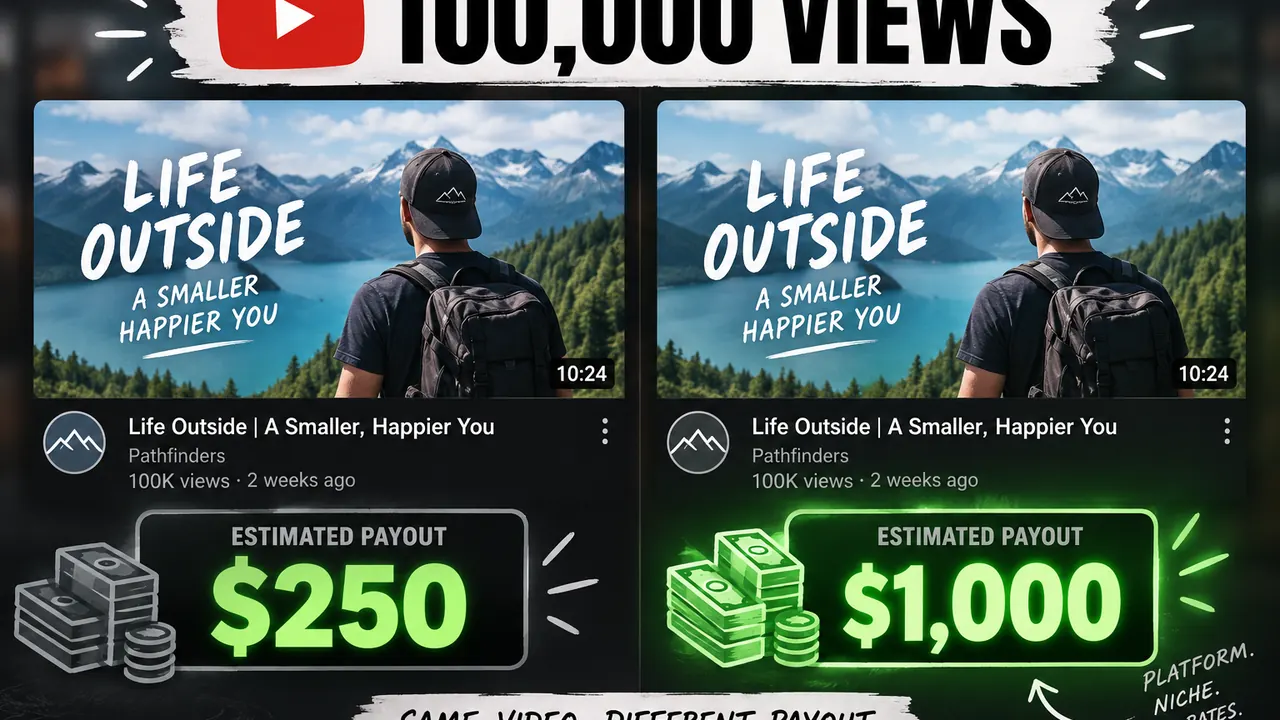
Creator Rewards pays $0.40 to $1.00 per 1,000 qualified views — and "qualified" is doing heavy lifting, with roughly half of raw views counting and videos needing to clear the one-minute mark. September data shows a 100,000-view educational video scoring high on originality yields $800–$1,200, against $200–$300 at baseline rates. Same views, four times the money, purely on the originality signal.
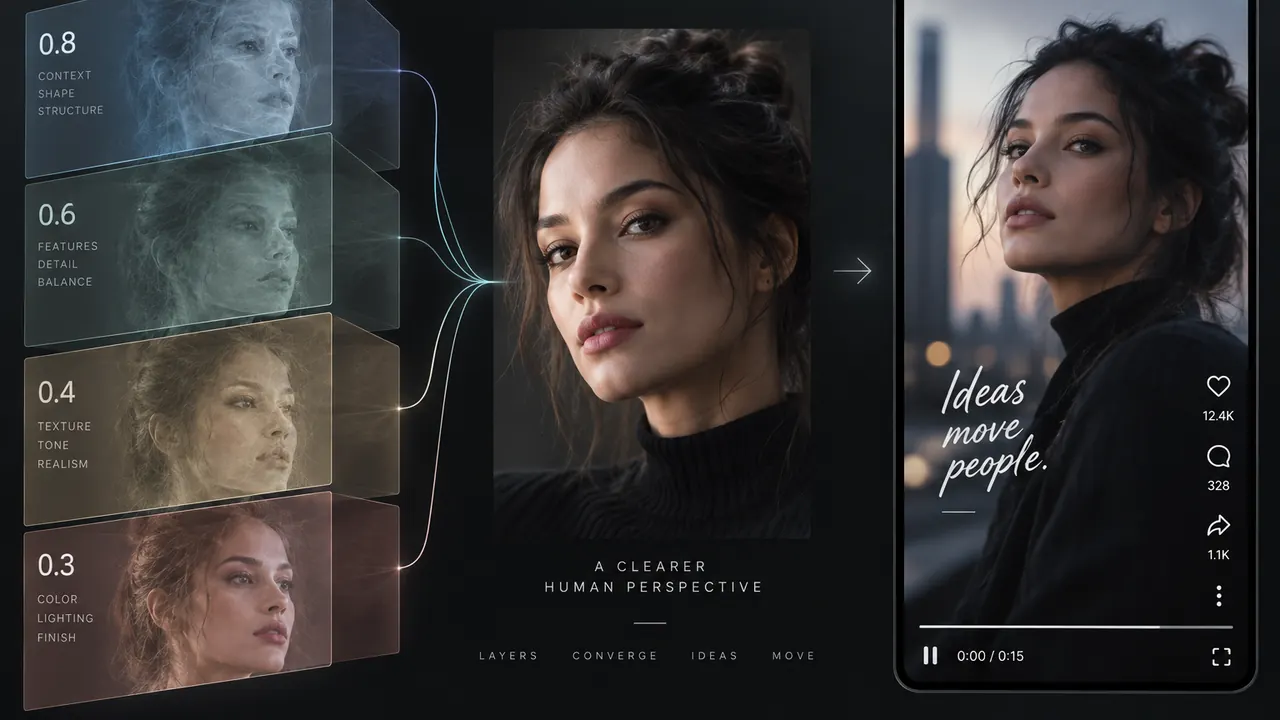
The working recipe circulating in Civitai workflows: character LoRA at 0.8 weight for face and body, style LoRA at 0.6, lighting LoRA at 0.4, detail LoRA at 0.3 — then use the locked first frame as the image-to-video seed. The AI Influencer Dataset Maker generates 60 training images from a single reference across Flux, Qwen and SDXL, and Consistent Character Creator 3.8 adds turnarounds and scene variants with dataset export. This is the cheapest path to the recurring-character format that platforms are now rewarding.