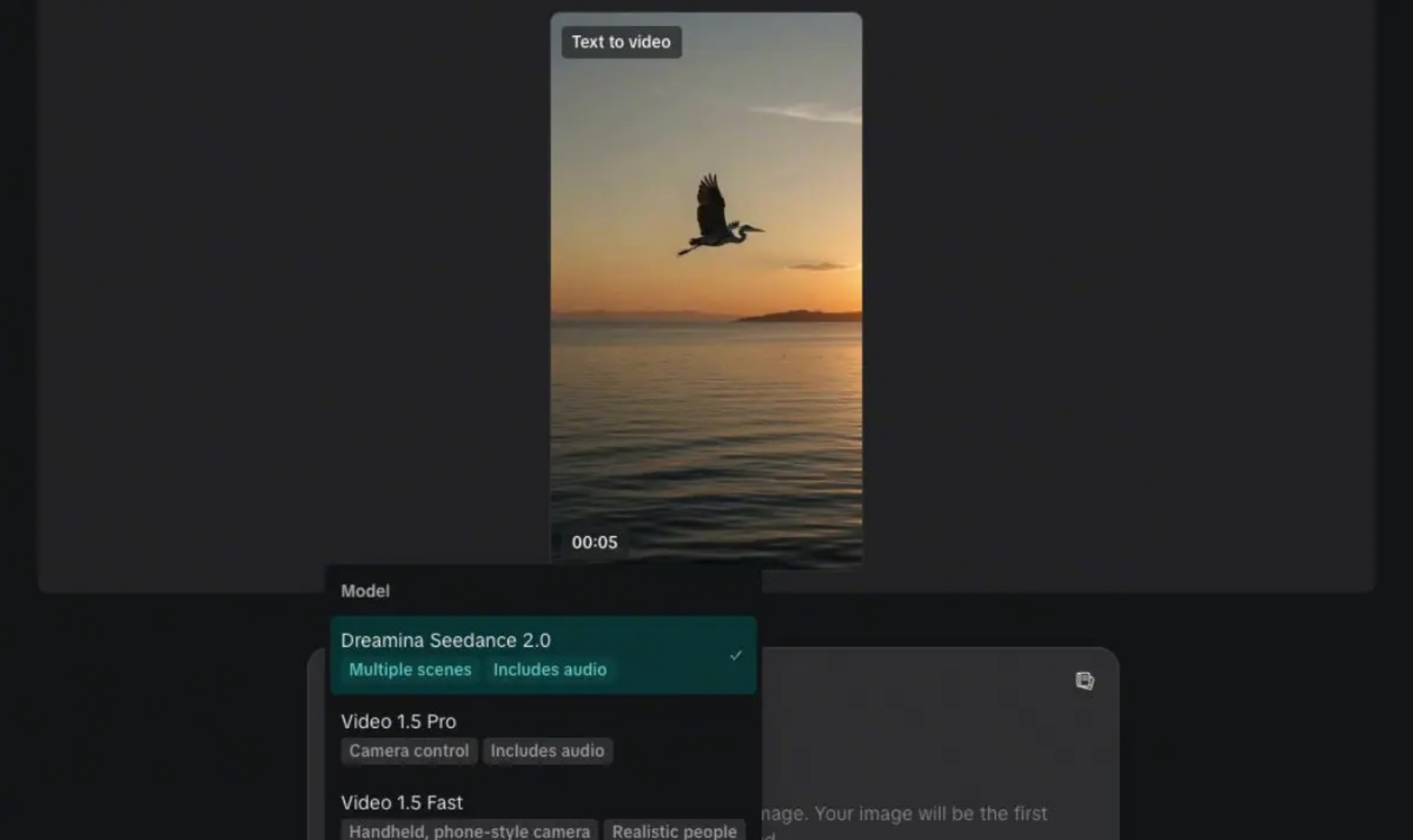
ByteDance's Seedance 2.5, previewed at the Volcano Engine FORCE conference on June 23, is in enterprise beta with a CapCut rollout targeted for mid-July — meaning it may land in your editor this week. The headline shift: native 30-second single-take generation (previous versions topped out at short clips), a workflow path to 3-minute outputs, and 50-reference-input support in one pass. API access via Volcano Engine is slated for late July.
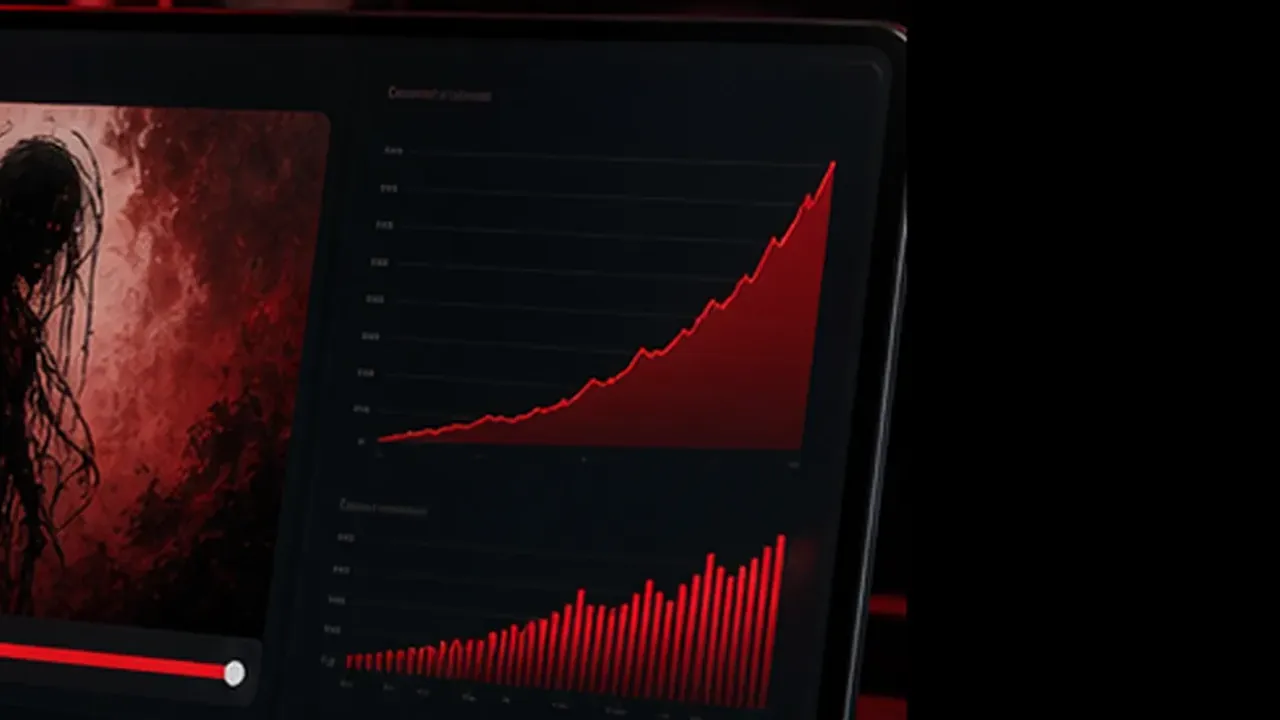
Horror Shorts are logging 85-95% completion rates versus the algorithm-favored 70% threshold, and a single 60-second clip on TikTok can break 10M views in 48 hours. HorrorTok sits at 63.2 million posts. The real operator move: horror long-form commands $8-$25 CPM versus the standard $0.03-$0.08 Shorts RPM — the shorts are the discovery engine, the long-form is the cash register.
Symphony Creative Studio with Dreamina Seedance 2.0 is now open to all TikTok advertisers globally at no cost. Operators and brands are reporting 50-70% production time cuts with first-pass outputs running above 80% usable without edits. The client pitch feature is Reference to Video: lock specific products into specific moments of the generated clip, which answers the "can we control what shows up when" question directly.
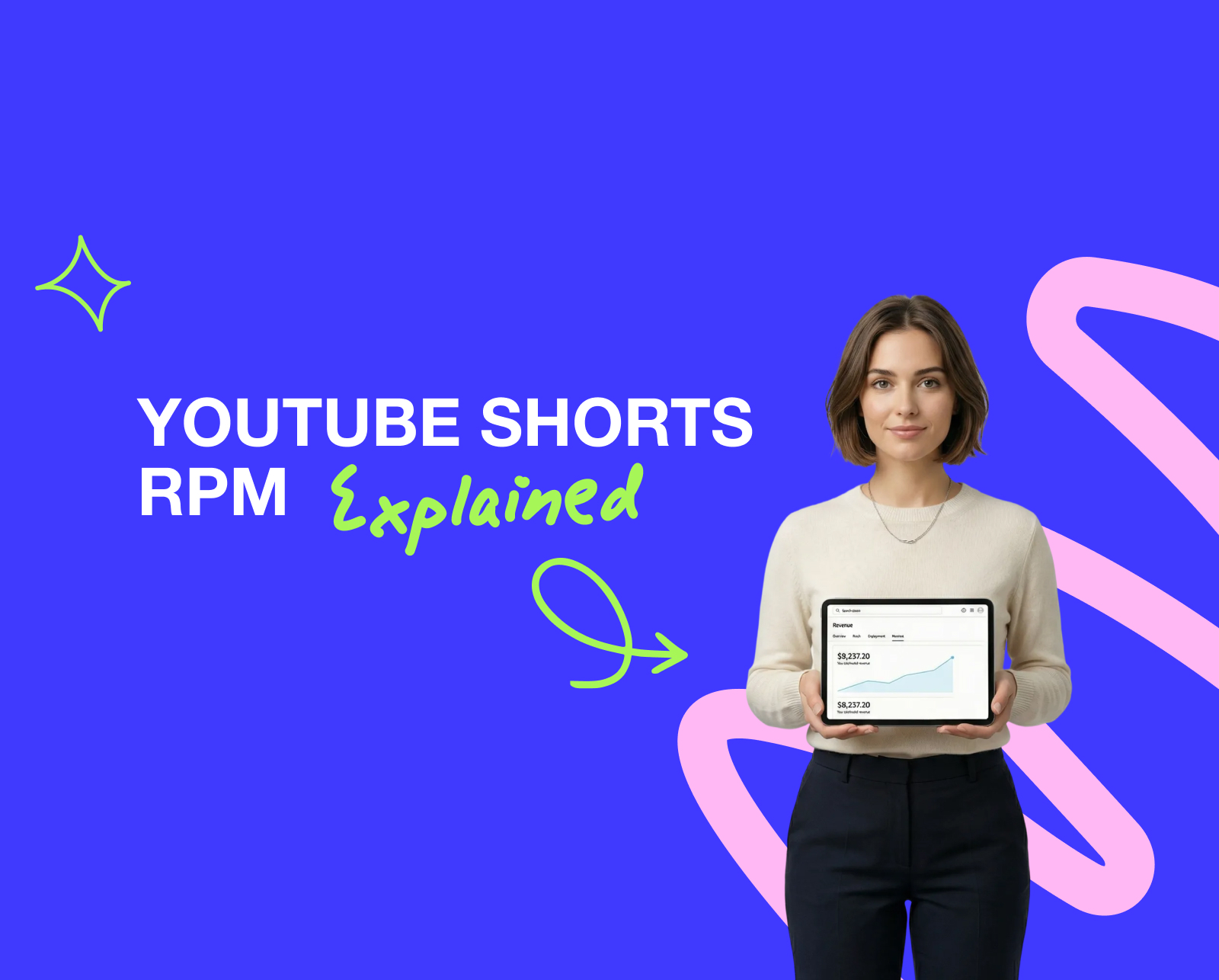
Mid-2026 YouTube Shorts RPM holds at $0.03-$0.08 per 1,000 views; clearing $5K/month on ads alone requires 40-100M monthly views. A March 2026 FinancialContent study found that repurposing one long-form video into 10 Shorts drove a 210% average channel views increase. Long-form RPM in competitive niches runs $3-$20+. The Shorts are traffic. The long-form is the monetization layer.
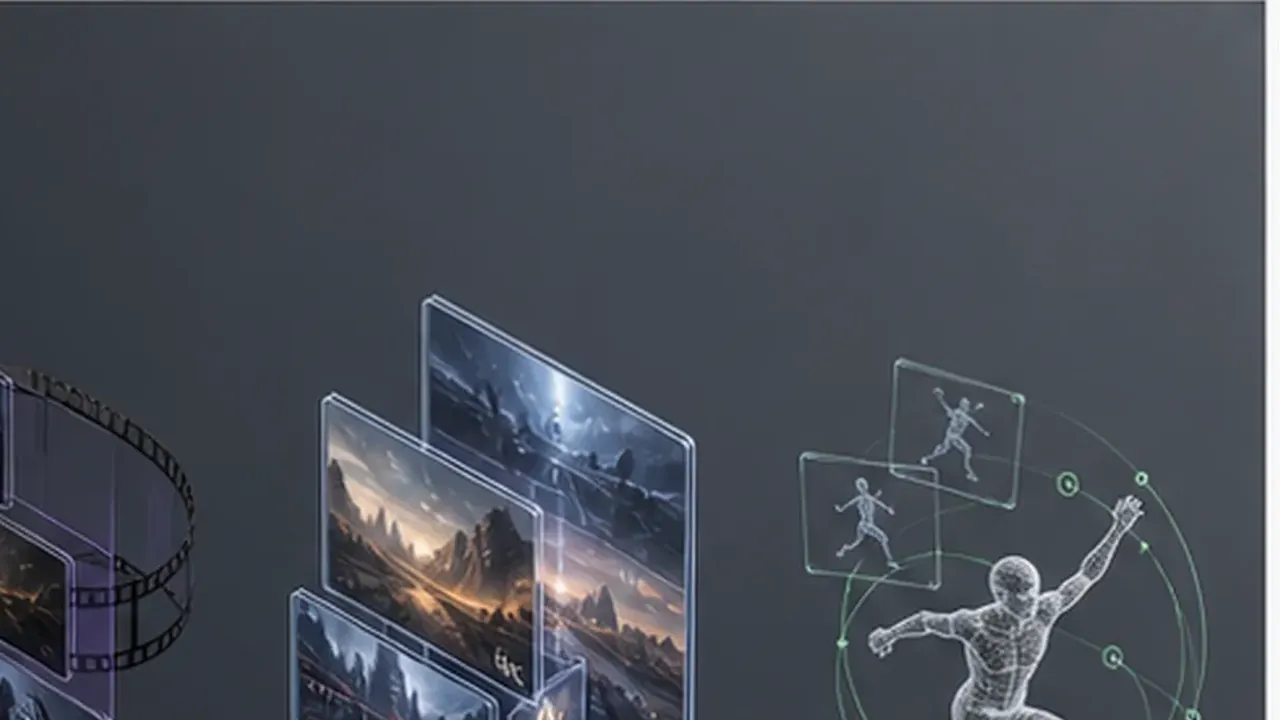
Wan 2.7 dropped April 22 with two standout features: first-and-last-frame generation (define the opening and closing shot, the model fills the motion between them) and 9-grid synthesis — up to nine reference images submitted as structured input to a single generation. Clip length is now 20-30 seconds continuous, and instruction-based video editing (swap backgrounds, change lighting in natural language) is included. If you are still on 2.2, the upgrade path is worth running this week.
Cliprise's 2026 AI video stack analysis found creators went from 1.2 tools per workflow to 3.4. The production-grade combination appearing most often: Kling 3.0 for multi-shot sequences (one generation returns a full cut), LTX-2.3 for high-volume 4K at up to 50fps, Wan 2.7 for controlled motion. Running a single-model shop is still viable — it just puts you a quality tier below the operators who have routed the work correctly.
In the past 12 months, 16.47% of TikTok accounts moved up a follower tier, versus 8.87% on Instagram, 6.89% on LinkedIn, and 3.86% on Facebook. If you are cold-starting a new faceless AI channel, TikTok is still the fastest growth ramp available. The algorithm is currently weighting watch-through rate above all other signals — which makes the horror niche's 85-95% completion rate a direct structural algorithm advantage.
TechTimes flagged a training data provenance concern with Seedance 2.5 right at launch. The model is proprietary ByteDance infrastructure — not open source — deployed through Dreamina and CapCut. No enforcement action yet. For personal faceless channels the risk profile is low; for commercial client deliverables, note the flag is out there and monitor for any legal developments before building client pipelines on it.