Alibaba shipped Wan 2.7 in April with four features operators have been waiting for: lock both start and end frames for precise clip-level narrative control, combine visual and voice references to generate character-consistent clips without post work, edit existing video with natural language instructions (swap backgrounds, change outfits), and a new Thinking Mode that pre-plans prompt interpretation before generation begins. It runs in ComfyUI now and builds directly on the Wan 2.2 architecture most of us are already running.
The channel Fern runs 3D AI crime documentaries to 2 million subscribers at an estimated $80K+ monthly from ad revenue alone, logging $8–12 RPM. True crime and dark history AI content is hitting 70–82% retention on 15–30 minute videos — the highest retention bracket in the faceless category. One documented operator earned $253K over two years from 200 videos, with 70% of that revenue coming from just 10 breakout uploads.
Since May 2026, YouTube requires disclosure on any Short containing realistic AI visuals, synthetic voices, or AI-altered footage of real people. The July 2025 "inauthentic content" policy enables YouTube to strip monetization from mass-produced AI content regardless of view count. Key detail: properly labeled content receives normal distribution and full YPP monetization. The penalty is for non-disclosure, not for using AI.
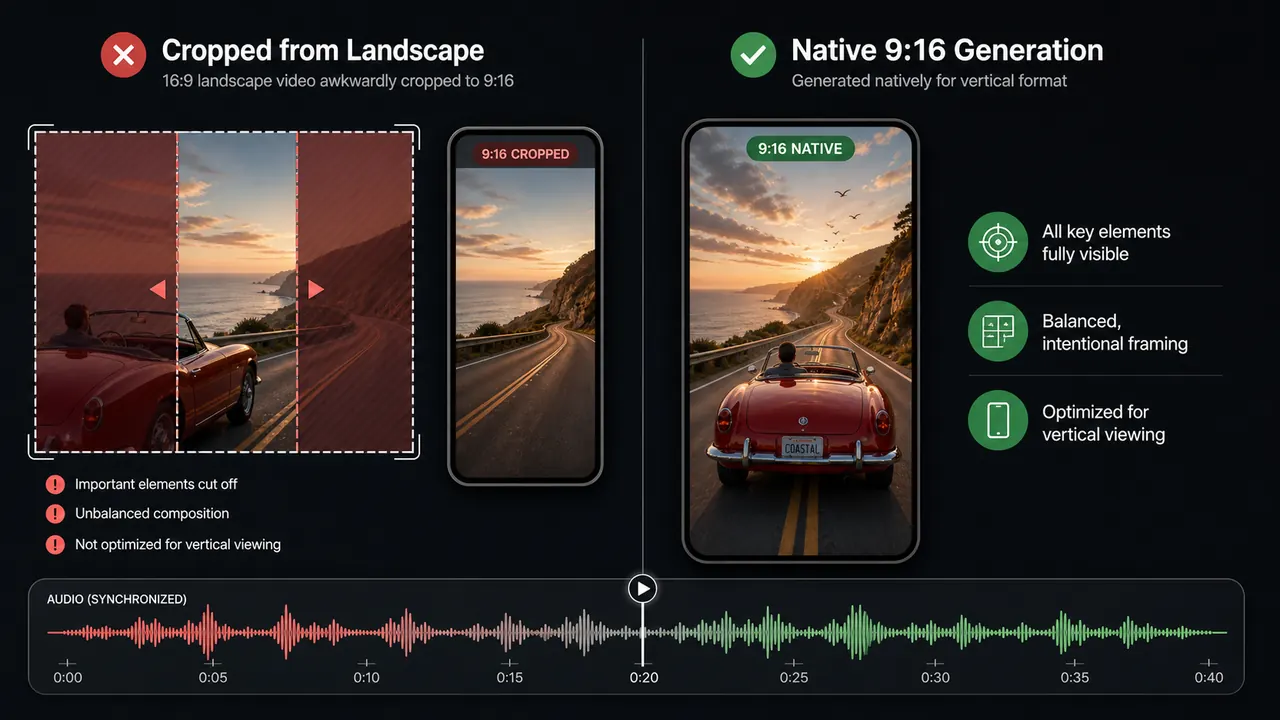
Google's Veo 3.1 shipped native vertical output and synchronized audio generation in January — dialogue, ambient sound, and SFX tied to on-screen events. Clips run 4, 6, or 8 seconds and can be extended to 148 seconds via the Extend feature in Flow. Budget roughly $50–100/month for 3–5 Shorts daily. Best single-clip physics realism available, but no character consistency across shots — pair with Wan 2.7 for narrative multi-shot work.
TikTok's C2PA Content Credentials integration has now auto-detected and labeled over 1.3 billion AI-generated videos using embedded metadata, invisible watermarking, and spectral voice analysis. Proactive creator disclosure gets the "Disclosed by creator as AI-generated" badge — far better treatment than retroactive auto-flagging. No distribution penalty for labeled content that follows Community Guidelines. Label it yourself or TikTok labels it for you.
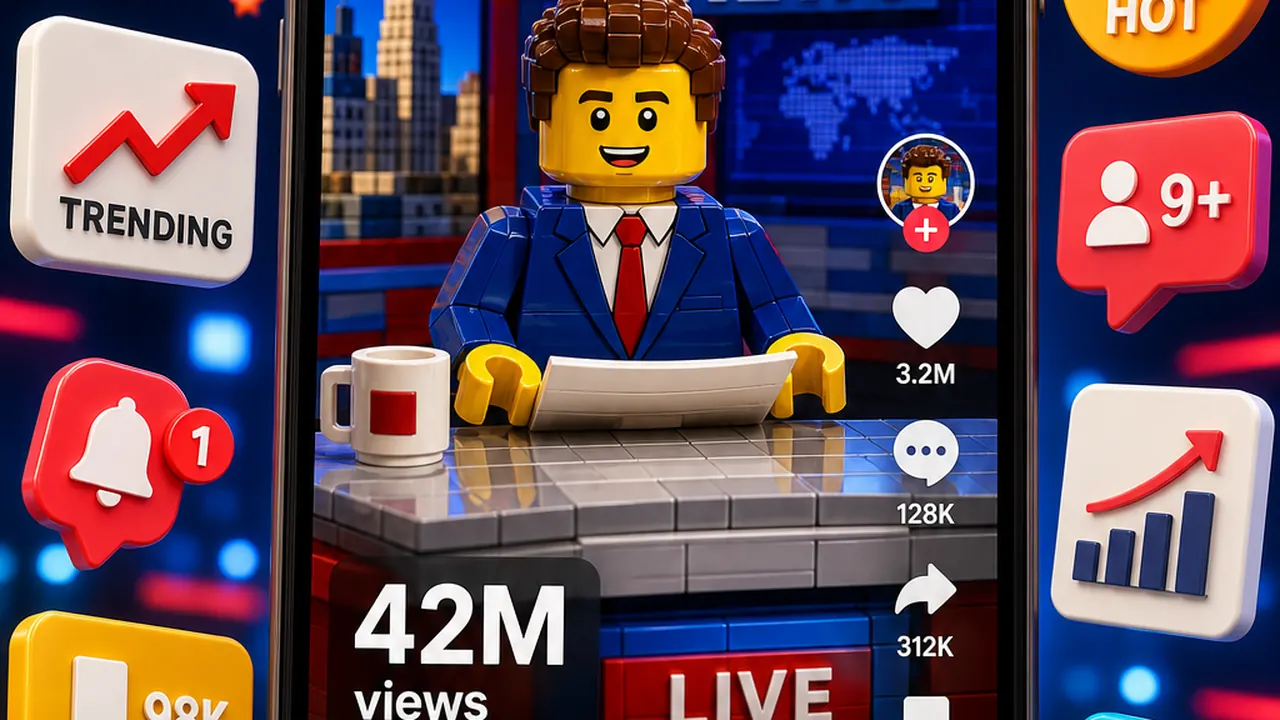
This spring, LEGO-aesthetic AI video clips pulled 145 million views in weeks on TikTok, with just 47 accounts in one studied cluster hitting 40 million alone. The format mechanics: familiar toy visual grammar, unexpected content weight, immediate pattern interrupt. The algorithm treated it as entertainment because it looked like entertainment. The format is unlocked for any creator — the open question is what non-news subject matter has the same gap between aesthetic familiarity and content novelty.
YouTube Shorts RPM sits at $0.03–$0.08 per thousand views in 2026. Long-form in the same niches — finance, AI tools, true crime — runs $10–21 RPM. That is a 15 to 60 times difference. Operators winning this dynamic are using Shorts purely as a distribution funnel into long-form where the real monetization lives, treating them as two separate machines with one handoff between them.
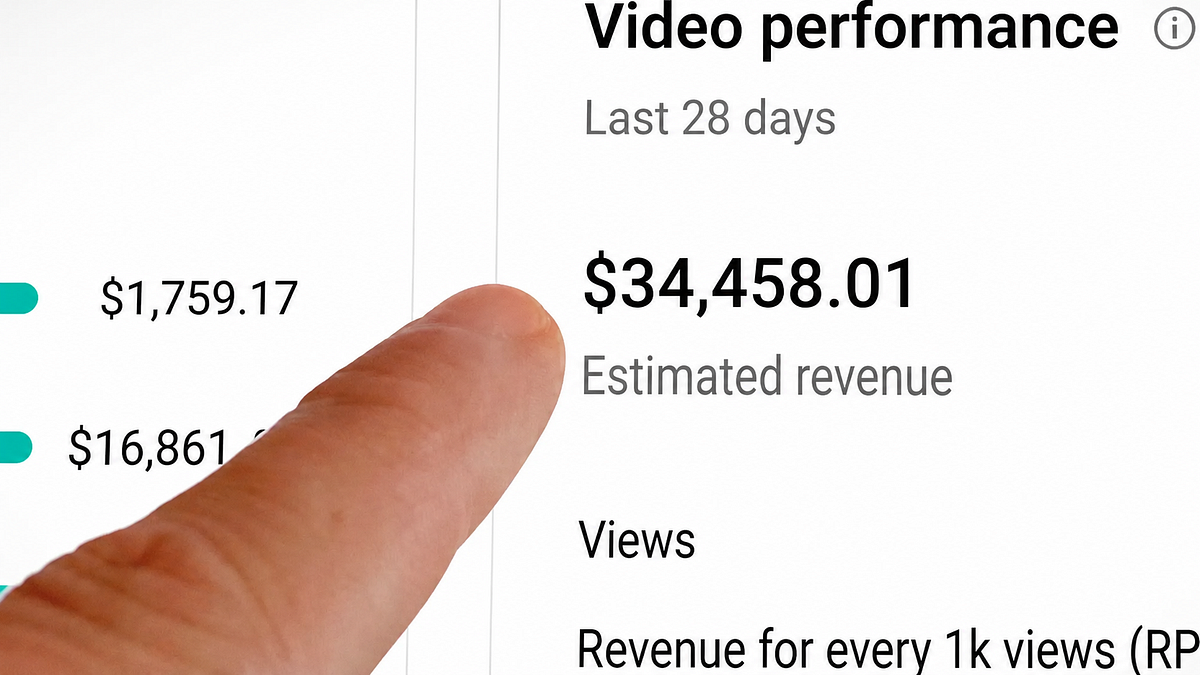
Faceless AI YouTube channels now represent 38% of all new creator monetization ventures, up from 12% in 2022. Documented case: one operator pulled $34K from a single faceless AI channel. The hard reality sitting next to that number: 97% of fully automated AI channels never break even on production investment. Operators in the surviving 3% are running multiple channels in high-CPM niches, not chasing volume on a single account.