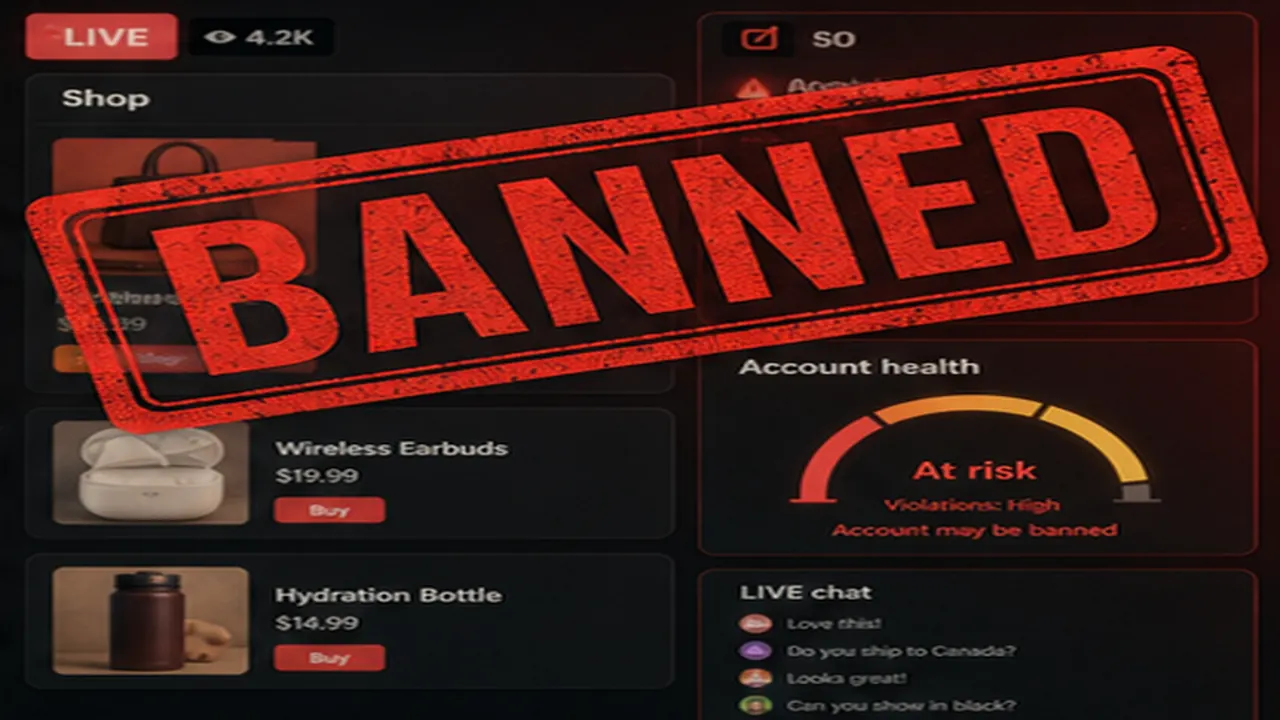
TikTok Shop yesterday formally banned AI-generated voices, pre-recorded audio, looping footage, slideshows, and screen recordings from all shopping livestreams, effective immediately. Violations feed directly into the platform's new Account Health Rating (0–1,000 scale): at 150 points, sellers lose mega campaign access and new listing rights for 7 days; at zero, accounts face permanent deactivation. If you're running any automated TikTok Shop setup with AI narration over product images, that workflow is now a liability.
YouTube retired its repetitive-content rule in July 2025, replaced it with an inauthentic content standard, and the first major enforcement sweep landed in January 2026. Fully automated channels — AI voiceover over stock footage with no editorial identity, news-reader bots reading articles verbatim, Shorts farms running 10+ identical templates daily — are getting demonetized at scale. AI as a creative tool inside original narrative work remains fully eligible; AI as a replacement for all human creative input is the target.
TikTok's automated detection now scans for synthetic faces, voice clones, AI backgrounds, and photorealistic products, running a four-tier penalty ladder from warning to permanent ban. The critical operator insight from the policy docs: proactively labeling AI content costs significantly less reach than triggering a retroactive flag from the detection system. Label first — the algorithm hit is smaller and controllable.
Wan 2.7 (open weights, released March 2026) wins on control: first-and-last-frame generation, subject referencing with up to 5 reference images, advanced camera control, and video-to-video editing via text prompt. Seedance 2.0 wins on multimodal richness: it accepts text, image, audio, and video inputs simultaneously and outputs native synchronized audio. Rule of thumb — Wan 2.7 for complex multi-subject scenes requiring precise control, Seedance 2.0 for expressive single-character shots where native audio matters.
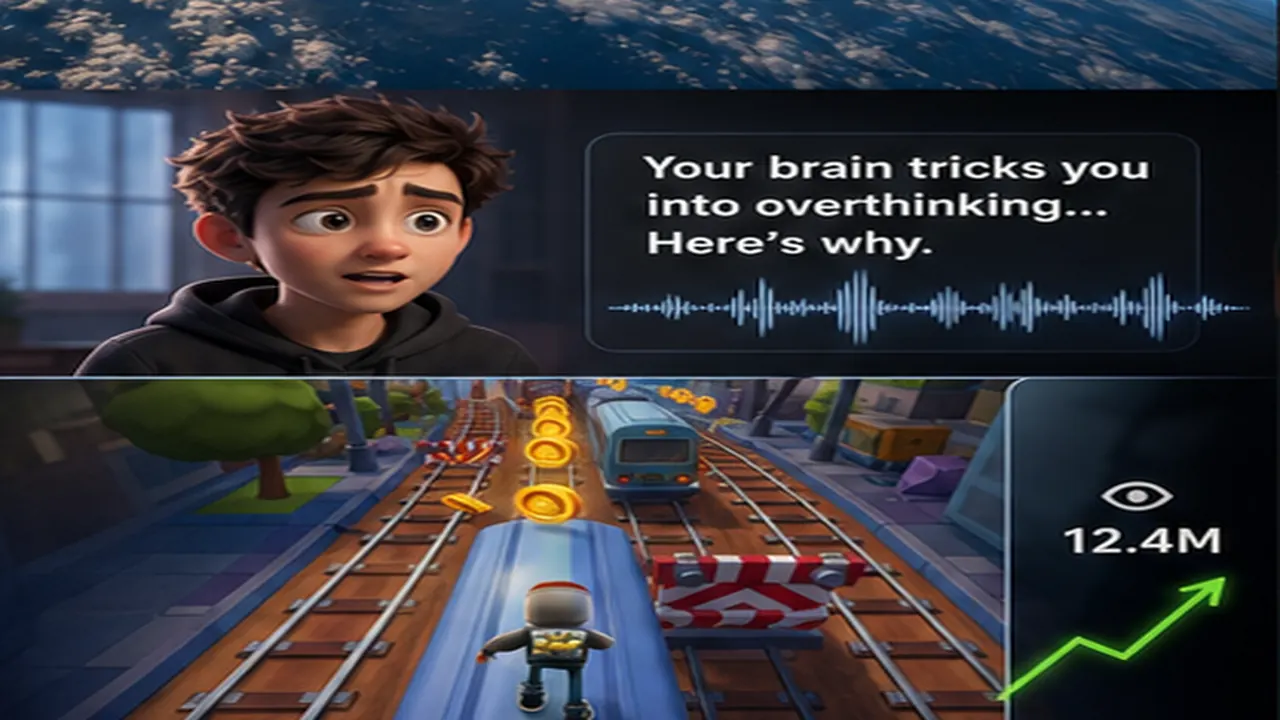
Channels running AI narration over split-screen gaming footage (Subway Surfers, Minecraft Parkour) are regularly pulling 500K to 2M views per video without meaningful subscriber counts, because the format directly drives the watch-time and engagement signals platforms reward. Vmake Labs shipped dedicated brainrot marketing video styles on July 10, letting e-commerce operators convert product photos straight into that format for TikTok and Reels — lower barrier for operators who want to ride the format without building a manual workflow.
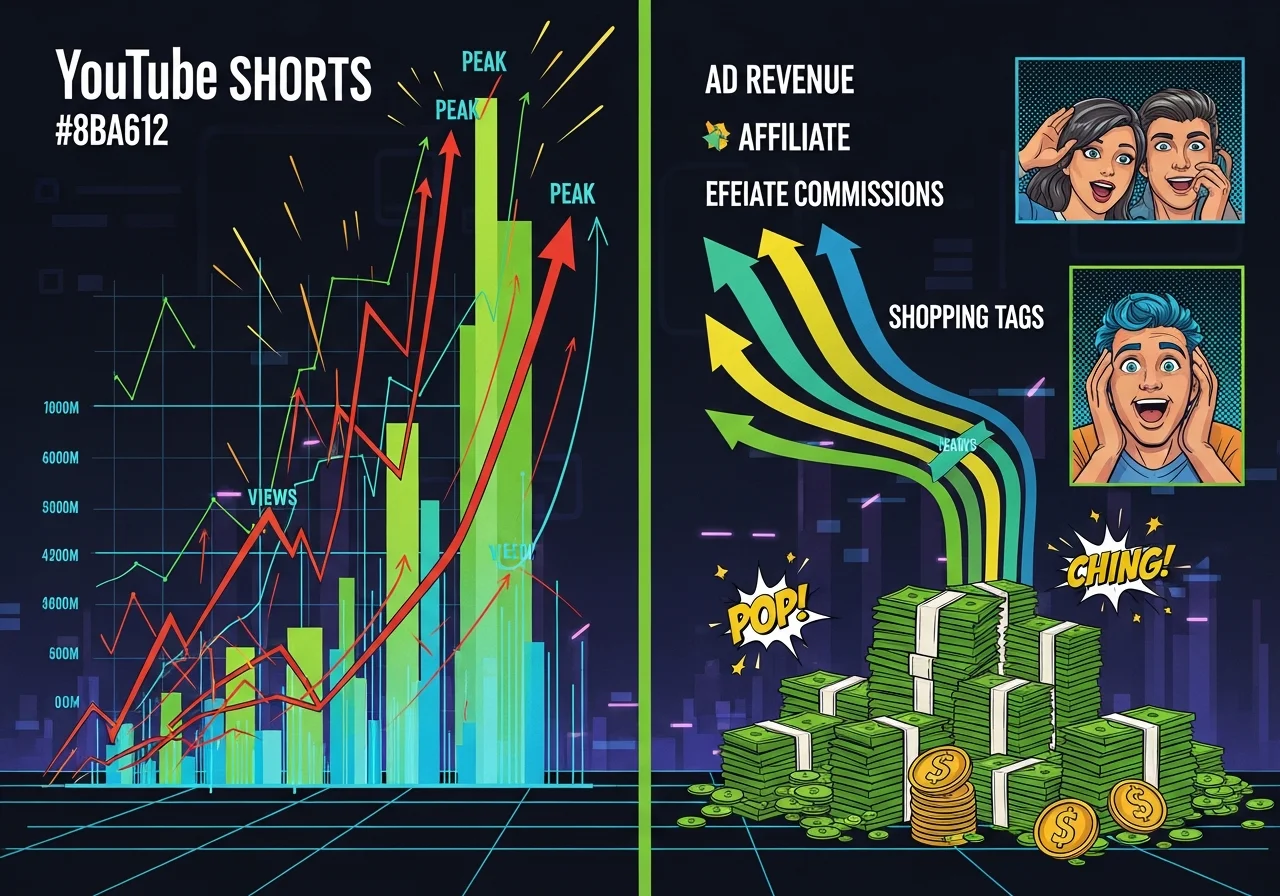
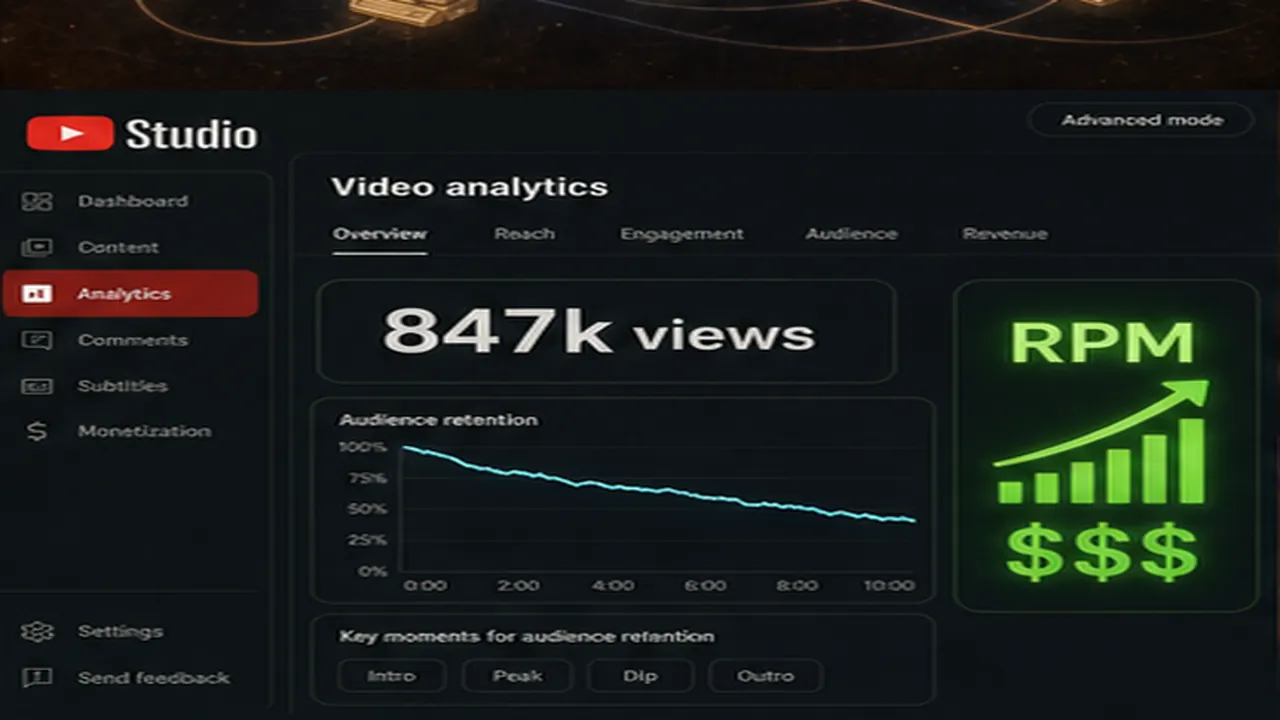
YouTube Shorts RPM is running $0.01–$0.15 per thousand views. The same niche in long-form is pulling $3–$20+, up to 60x higher. The operators building real monthly income are using Shorts purely as a discovery and subscriber funnel, then monetizing that audience at long-form rates. Finance content is commanding $15–$40 RPM in long-form; betrayal-and-revenge drama is holding $12.82 RPM — enough to make the channel math work with modest view counts.
Multi-niche testing confirms AI story and narrative formats — horror, betrayal-and-revenge, mystery — are hitting YouTube monetization thresholds 40% faster than lifestyle or motivation content. The driver isn't production quality; it's the emotional curiosity loop that inflates watch time. Viewers stay because they need to know what happens next, and that retention signal is what the algorithm rewards more than anything else.
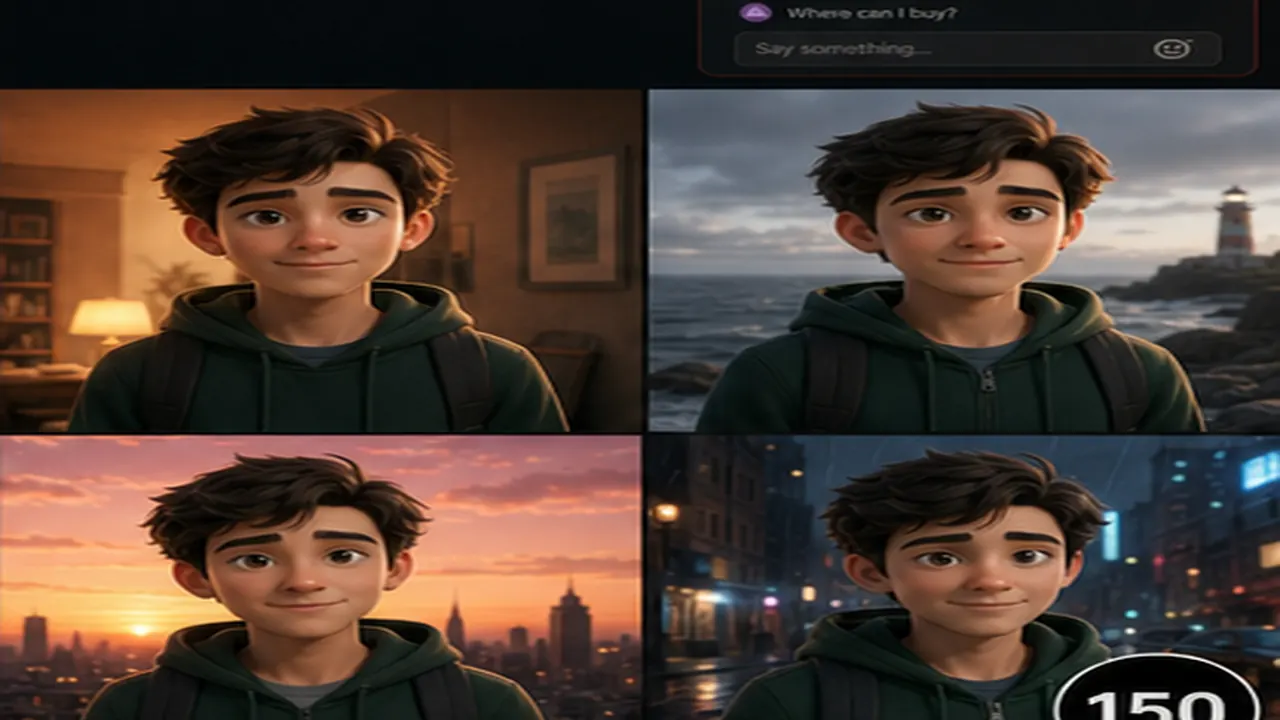
Wan 2.6 (December 2025) added multi-shot storytelling — up to 15-second output, native audio, and up to 150 reference frames for maintaining character consistency across scene cuts: facial structure, skin tone, clothing, and voice. For operators building serialized AI content where character drift between episodes is killing retention, this is the current baseline fix and it's been available for seven months.
The Adavia Davis case study keeps circulating because the numbers hold up: a 22-year-old pulling $40,000–$60,000 monthly from faceless YouTube channels, with the biggest earner publishing 6-hour documentary-style videos combining AI narration and AI visuals, specifically designed for sleep and background listening. Ultra-long watch time plus high-RPM history niche plus zero production overhead equals a channel model that scales without a crew.
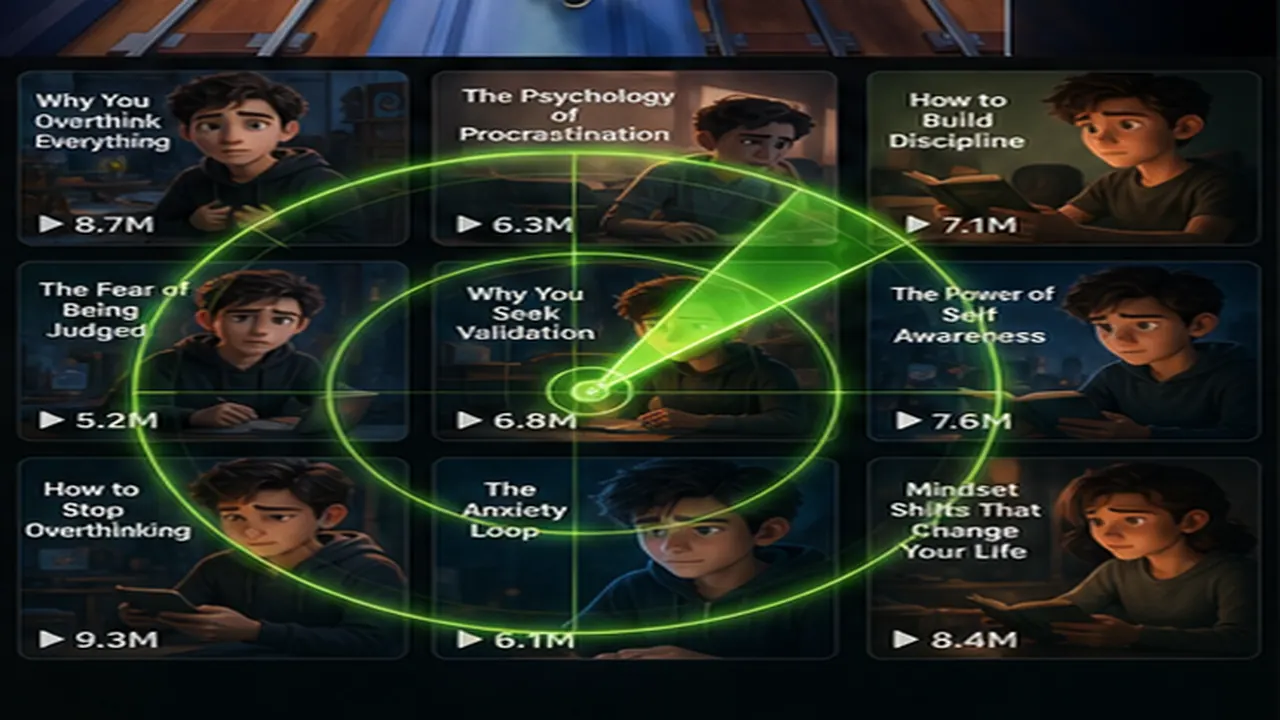
Psychology-content channels are surfacing as a quiet breakout niche for faceless AI Shorts — instant curiosity trigger, universal audience relatability, and a content angle count that's essentially unlimited. Multiple operators are reporting faster paths to monetization compared to saturated motivation and productivity content. One early-mover faceless finance channel reached 261K subscribers in 5 months on 20 videos; the psychology niche has similar structural advantages with less current competition.