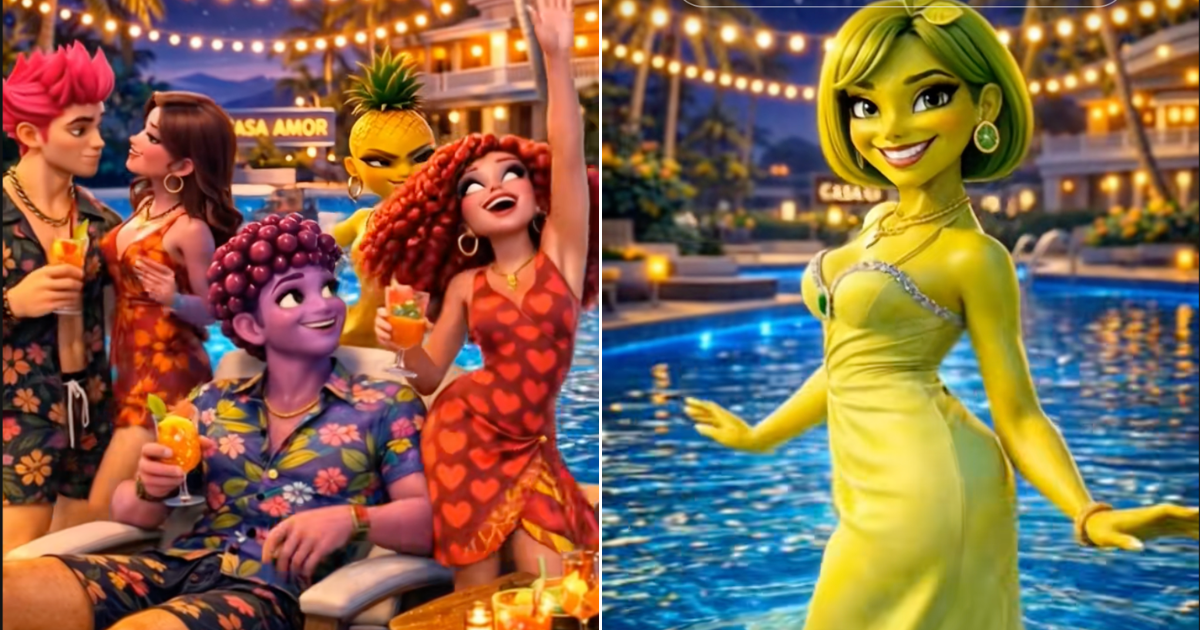
The "AI Cinema" account ran an animated reality dating show with characters like Strawberina and a buff open-shirt Bananito, and Episode 15 pulled 39 million views in about two weeks on Seedance 2.0. The takeaway for operators isn't the fruit — it's the serialized, episodic reality-TV scaffold that turns one-off slop into a returning audience. The AI weirdness is a feature here, not a bug; it's part of why people stayed.
TikTok's 2026 policy explicitly bars AI-generated content from monetizing through the Creator Rewards Program, and the platform now auto-labels via C2PA Content Credentials plus invisible watermarks on anything made with its own AI tools — roughly a 90% label-detection rate. Plan your stack assuming the label is coming whether you disclose or not, and build revenue on brand deals, affiliate, and TikTok Shop instead of on-platform RPM. The Creator Rewards Program reportedly pays up to 20x the old Creator Fund, so being shut out of it is real money.
One creator earned nearly $13,000 in commission from a single product video built around an AI avatar, and the structural edge is that an AI persona can run a TikTok Shop livestream 24 hours a day on loop. That's the arbitrage: while Creator Rewards is closed to you, Shop affiliate is wide open and rewards exactly the always-on production an AI operation can deliver. UGC-style AI content is reportedly outperforming branded content by 93%.
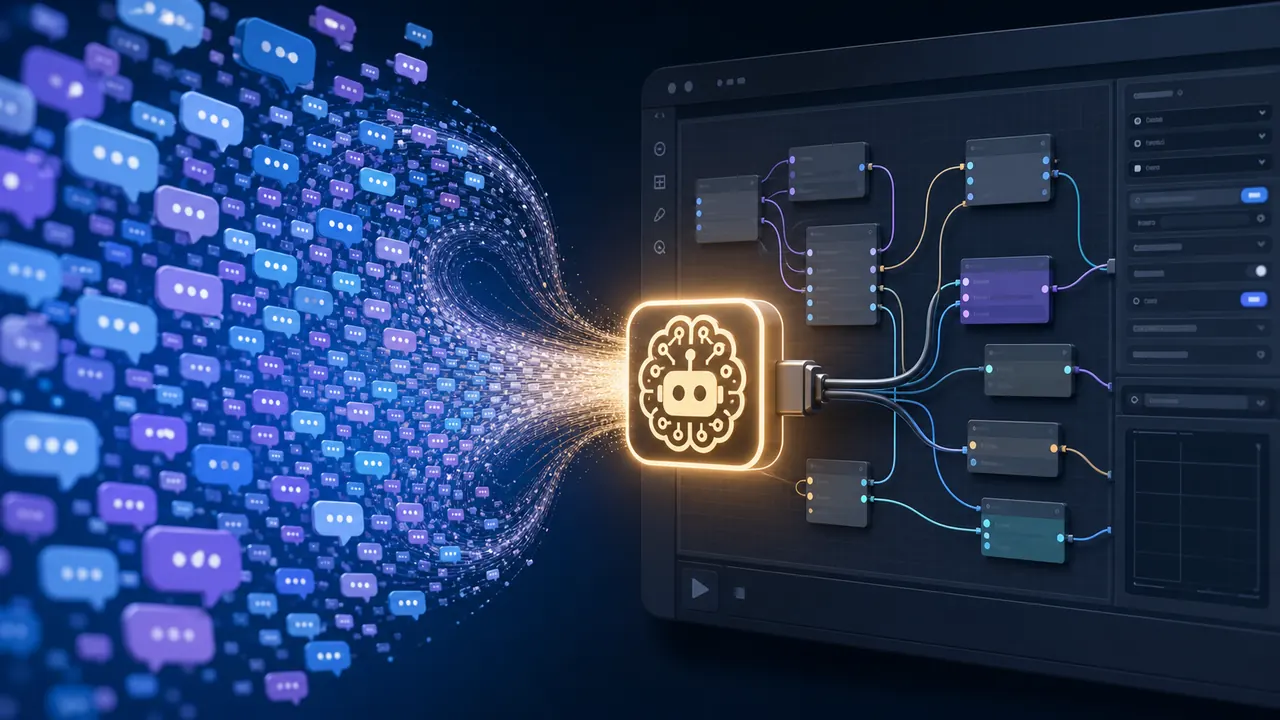
Banodoco just open-sourced Hivemind, a live, continuously-updating dataset of 1M+ Discord messages from the community that birthed Wan Animate, lightx2v LoRAs, and AnimateDiff variants — packaged as an agent-driven skill. Instead of digging through three years of Discord threads, you can have an agent query specific workflows and pull tacit "how do I push this model" knowledge directly. If you're running ComfyUI pipelines, this is the closest thing to hiring the whole open-source video lab.
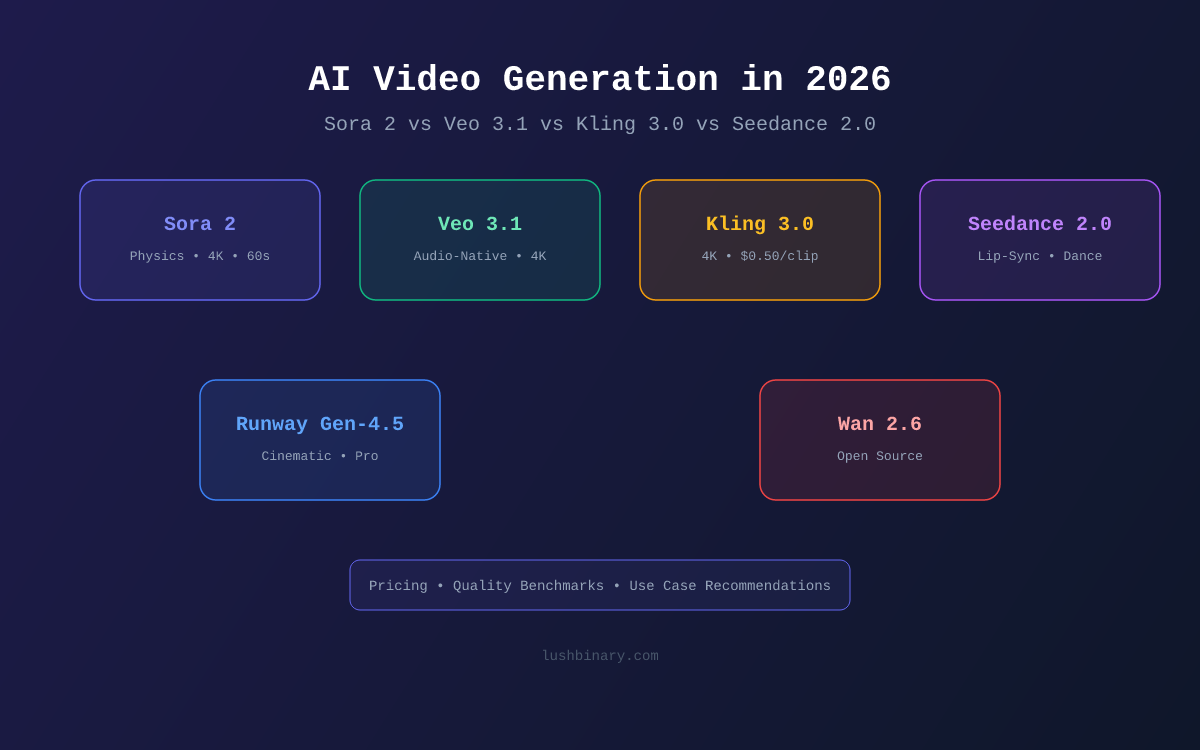
Kling 3.0 added a multi-shot storyboard mode with native audio synced across cuts at roughly $0.10 per second, putting it at the top tier on cinematic motion rather than the budget end. For anyone building episodic formats like #1, multi-shot with consistent audio across cuts is exactly the primitive that makes a "show" instead of a clip. With Sora's app shut down in April and its API sunsetting September 24, the leader board is now Veo 3.1, Kling 3.0, Seedance 2.0, and Runway Gen-4.5.
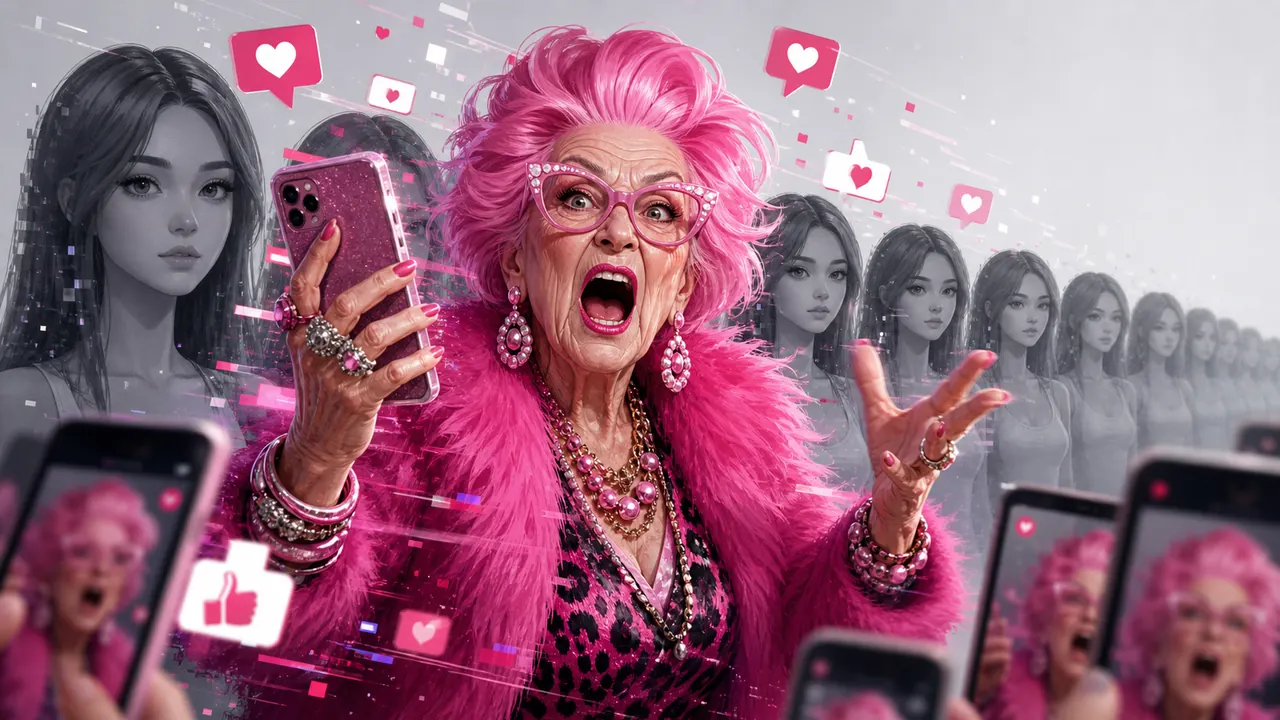
The pretty-AI-girl persona niche is fully saturated, and the channels cutting through fatigue are the off-archetype ones — old, brash, loud, pink. Virtual micro-influencers in the 10K–100K range are the fastest-growing cohort, and AI personas are going zero-to-1M followers in under six months on posting frequency alone. Engagement on AI creators is running as high as 8.7% versus about 4.5% for humans, so a distinctive character compounds fast.
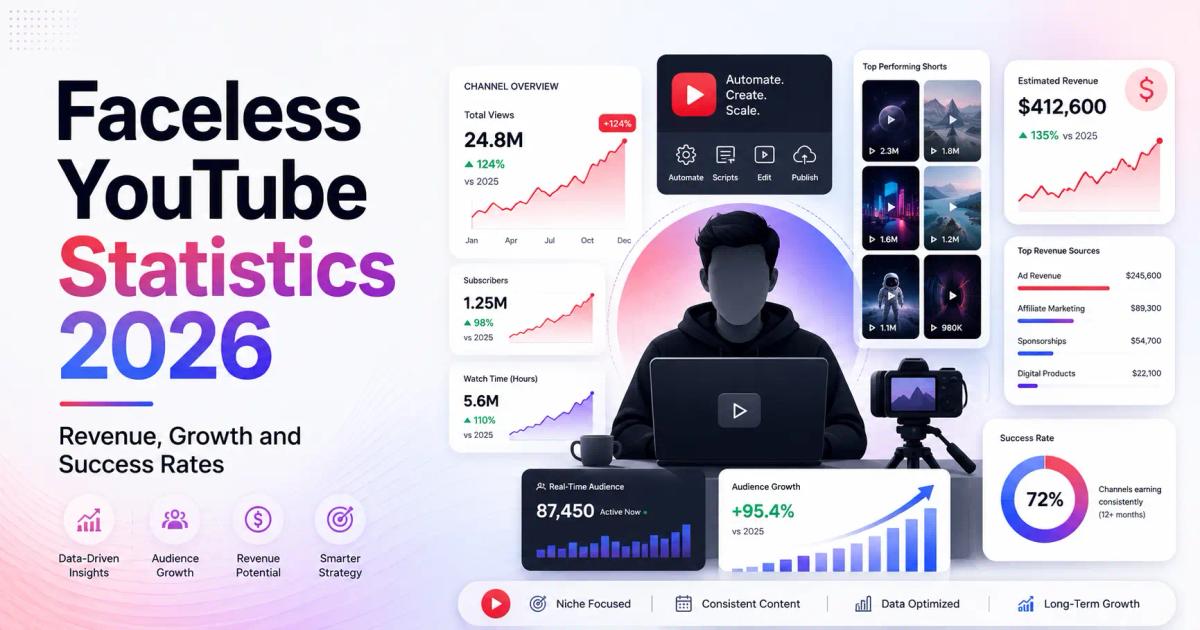
YouTube Shorts RPM is sitting at roughly $0.01–$0.06 against $15–$20+ for long-form finance, a 200x-ish gap for the same view. The play that's working is Shorts-as-funnel into long-form, where the RPM is 10x–50x higher; YouTube is still doing 200 billion daily Shorts views and paid creators over $20B last year. If you're chasing Shorts views as the revenue line, you're optimizing the wrong number.
The Wan 2.2 + LightX2V I2V LoRA combo on Civitai remains the strongest dynamic image-to-video setup for local operators, running on ~12GB VRAM with 16GB+ for stability, with shared workflows and tutorials. It's the cost floor for anyone who wants Seedance-style output without per-second API bills, and it's exactly the kind of recipe the Hivemind dataset in #4 will help you tune. Worth re-pulling the latest version if your last build predates the spring updates.