YouTube is auto-detecting and stripping channels at scale. The known triggers: original on-screen commentary under 30% of runtime, OR five or more videos sharing the same visual template with less than 20% script variation — both fire a bulk demonetization review. One documented case: 4.7 billion lifetime views, 35 million subscribers, and roughly $10 million per year in revenue gone overnight. Detection now runs on synthetic voices and AI-generated scenes even without creator disclosure labels.
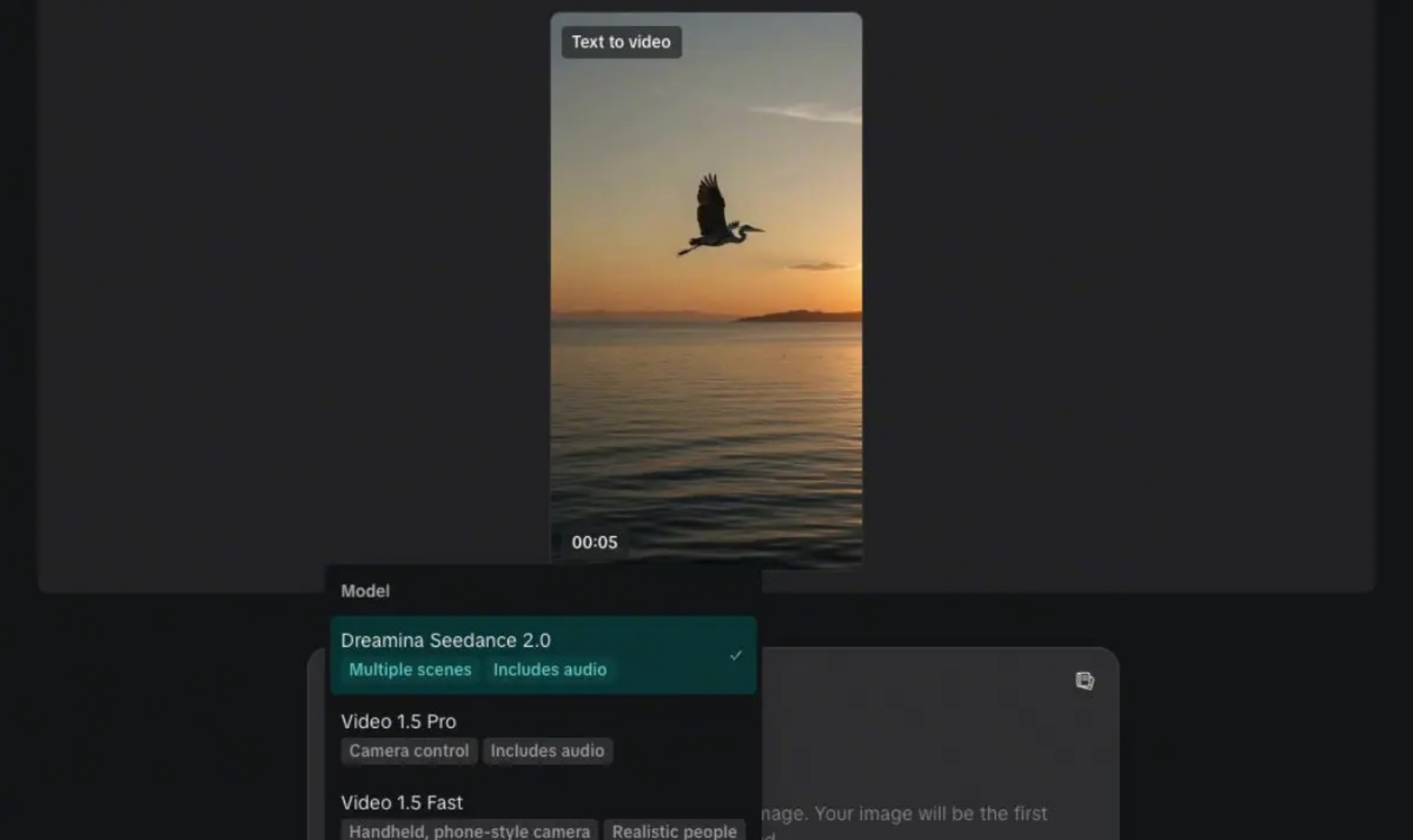
TikTok's Creator Rewards Program now requires a 1-minute minimum per video, and their own documentation states that "repurposing AI videos or faceless movie clips may not earn anything" — a human editing layer is mandatory for qualification. The platform's own Seedance 2.0, baked into CapCut and TikTok Symphony, carries a native algorithm advantage by design — but the US is currently excluded from that rollout. US operators are playing without the home-court edge ByteDance brands are getting.
Google's Veo 3.1 outputs synchronized dialogue, environmental sound, and music in a single generation step — eliminating the ElevenLabs plus manual sync workflow that was the 2025 standard. An n8n workflow template is live for fully automated Veo 3 to TikTok posting with zero manual touchpoints. Veo 3.1 Lite hit Vertex AI April 3 at lower cost, and community handicapping puts Veo 4 at 70% odds for a Google I/O 2026 announcement. If that drops, every pipeline decision from Q1 gets revisited.
A production-ready n8n workflow (template 13888) automates the full Kling 2.6 generation-to-TikTok-post loop. Kling 3.0 adds AI Director mode — six independent shots with spatial continuity in a single 15-second 4K/60fps clip. The Motion Transfer feature — apply any reference video's motion to your own subject — is the most-replicated Kling format of early 2026 and the clearest trend-hijacking lever in the current toolkit.
MiniMax's Hailuo 2.3 has become the default model for physics-intensive motion — gymnastics, fluid dynamics, complex animal movement — and no competing model matched it on the "Olympic Diving Cats" format, which cleared 1.5 million views. The formula is replicable: pick a physics-intensive real-world event, cast animals, render in Hailuo. MiniMax has logged 370 million cumulative generated videos to date, and version 2.3 adds enhanced dynamic expression and visual stability.
Lightricks dropped LTX-Video 2.3 on March 5 — 22 billion parameters, 4K at 50fps with native synchronized audio in one generation pass, free commercial licensing for operators under $10 million in annual revenue. Day-zero ComfyUI support landed with three new nodes: LTXAudioVideoLoader, LTXAudioConditioner, and LTXVideoSampler. The Civitai chaining technique — feeding the final frame of clip A as the input image for clip B — eliminates stitching artifacts and runs on a consumer 4090, no cloud spend required.
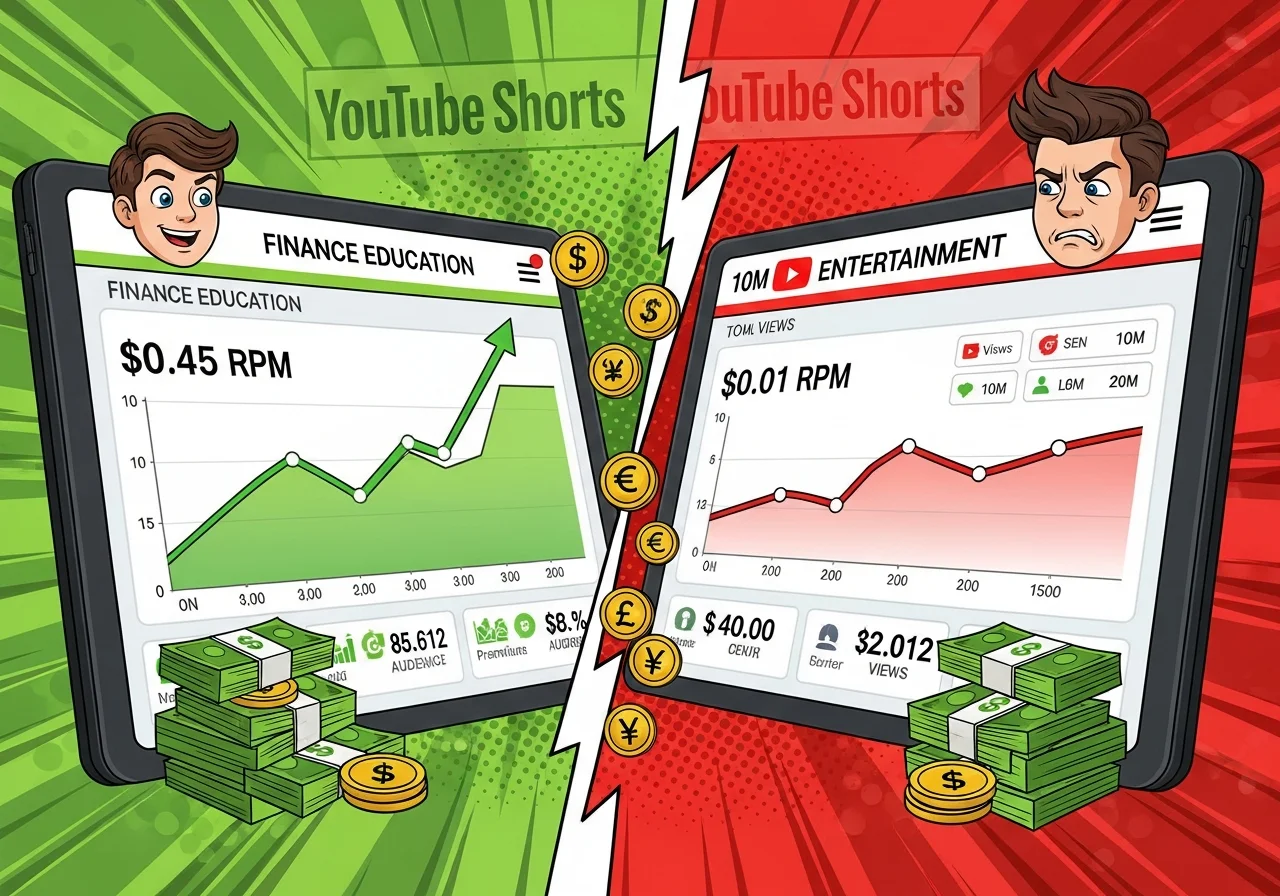
YouTube long-form RPM in finance and tech runs $15–$40 per thousand views versus $0.10–$4 for entertainment faceless content. On Shorts, finance RPM is $0.15–$0.45 versus $0.01–$0.05 for general content. TikTok Creator Rewards pays $0.50–$1.50 per thousand qualified views with a US ceiling of $1.20–$2.00. The decision you make on niche at launch is worth more than any production optimization you layer in later.
Fortune's December 2025 breakdown of 22-year-old Adavia Davis remains the clearest public income figure in the space — $700,000 per year from faceless AI YouTube automation channels. Ecosystem context from a Kapwing study: AI content channels collectively hold 63 billion views, 221 million subscribers, and approximately $117 million per year in ad revenue. Only 3% of faceless channels ever reach monetization — the gap between operators running diversified multi-stream businesses and everyone else is extreme.