The upgrade from 2.2 is worth it on vertical 9:16 alone — that was the weak point and it's been addressed, which matters directly for TikTok and Shorts production. You also get natural language clip editing, up to five simultaneous video references, and 720p output close enough to 1080p on mobile feeds to save meaningful credits. The new first/last-frame control and 9-grid multi-image input close real workflow gaps.
General TikTok Creator Rewards pays $0.40–$1.00 per 1K views, but finance, tech, and education content with demonstrated watch-through is hitting $1–$6 RPM. That's a 6x multiplier over entertainment on the same view count, same follower base. Requirements haven't changed — 18+, 10K followers, 100K views in 30 days, videos over one minute — but niche targeting is the actual lever.
No serious operator is running a single model for everything anymore. Current best-practice stack: Wan 2.7 for cinematic narrative and vertical shorts, Kling 3.0 for anything needing native audio or lip-sync across five languages, Veo 3.1 when synchronized sound is the priority, Seedance 2.0 for comedy and exaggerated expression. The Qwen-Edit 2509 plus Wan plus SeedVR2 combo in ComfyUI is documented as a clean modular pipeline pulling production cost under $3 per video at scale.
ByteDance's Seedance 2.0 model is dominating r/aivideo right now. Exaggerated expression is where it outperforms everything else, and the "cats fighting Godzilla" style comedy clip format topped the sub with 12.3K upvotes this month. Celeb-face restrictions apply, so keep it to characters and creatures. If you're not routing comedy content through Seedance yet, you're leaving the easiest engagement on the table.
The "What if Studio Ghibli directed Lord of the Rings" style format is still converting. One creator reported 7.5K upvotes on r/aivideo on a clip that cost $250 in Kling credits. The psychological mechanic here is style-collision surprise — audience already knows both references, and the unexpected combination does the hook's job for you. Low-effort brief, high-engagement ceiling.
The 2026 algorithm update made swipe-away rate the primary distribution kill signal — it stops pushing a Short almost immediately when that number goes wrong. Completion rate and watch time now also influence RPM eligibility directly, which is a change from last year. Optimal cadence remains 3–5 Shorts per week on a consistent schedule; 7 posts in one week followed by silence underperforms a steady 3-per-week cadence.
Platform data confirms AI-generated content on Instagram Reels is getting a 23–47% organic reach reduction versus human content. The Reels Play Bonus 2.0 replacement requires hitting all three tiers — engagement rate, retention, and conversion actions — not just view count. If Instagram is in your stack, compensate with a stronger hook in the first one to two seconds, or deprioritize it in favor of TikTok and YouTube where the penalty doesn't apply.
Meta has an active program paying creators to cross-post existing TikTok and YouTube content to Facebook. If you have an existing audience on either platform, this is free incremental revenue for content you've already produced. The opportunity window on these deals historically doesn't stay open long.
OpenAI killed the Sora web interface in April and the API is running until September 24. If it's anywhere in your pipeline, you have under four months to route around it. The web interface is already gone — if you haven't noticed, you weren't using it.
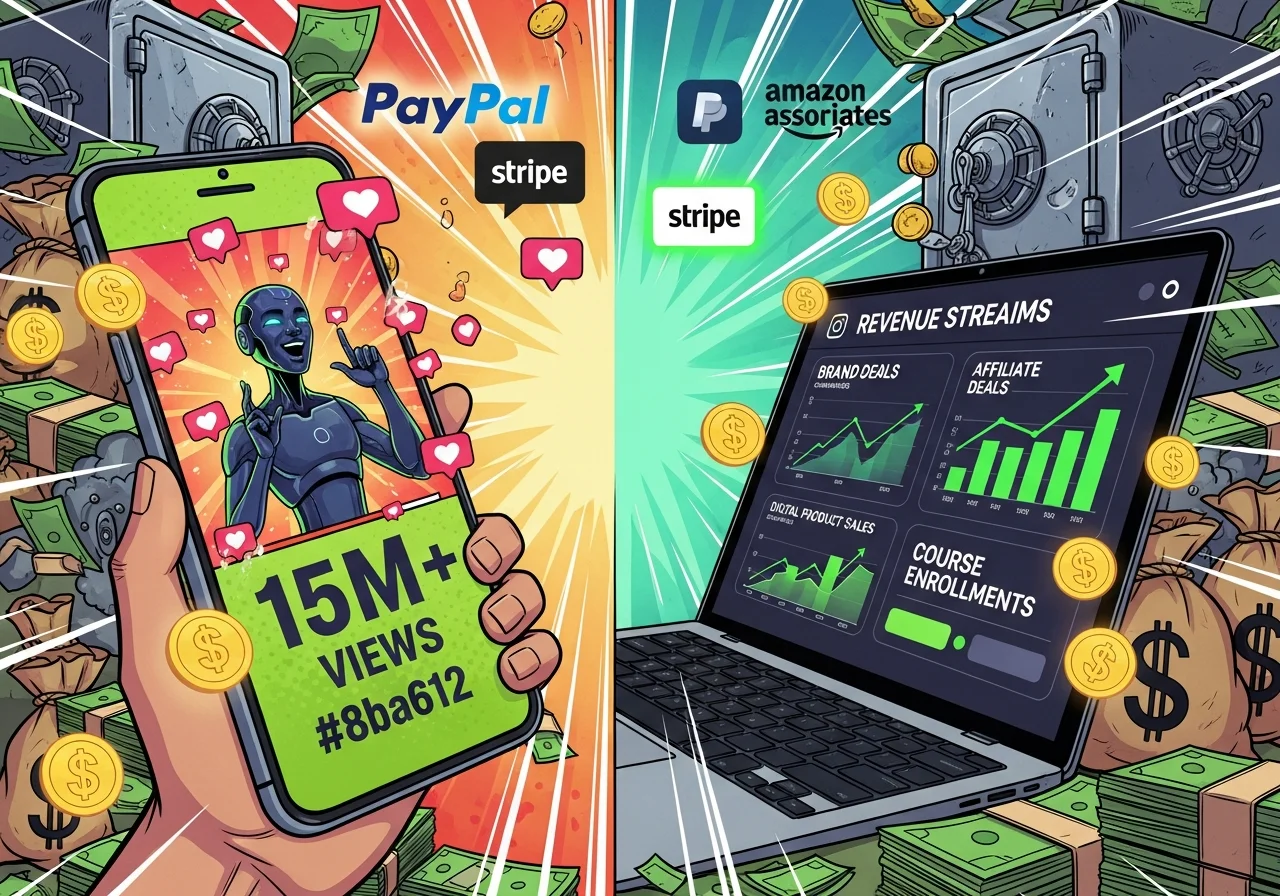
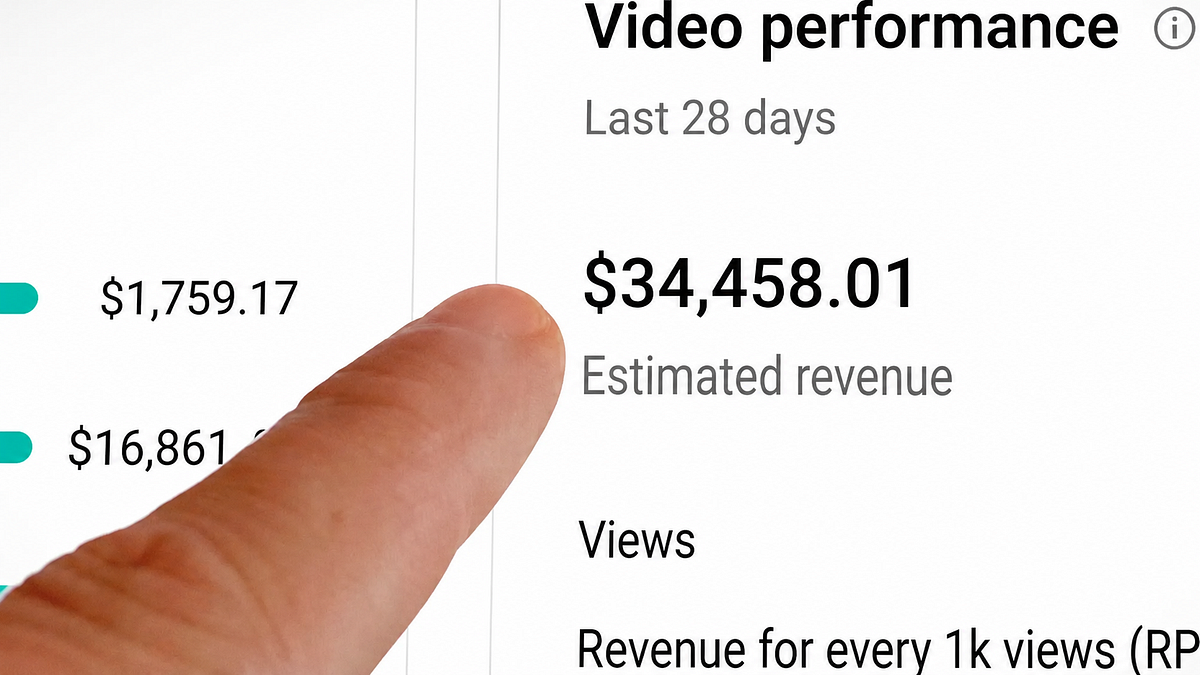
A creator published a verified $34,000 earnings breakdown from a faceless AI YouTube channel, framed explicitly as a repeatable playbook, not a lucky outcome. The Shorts-to-longform funnel is the structure — Shorts RPM for entertainment runs $0.01–$0.05 per 1K views while finance long-form runs $25–$50 RPM. The niche multiplier on that gap is the whole business model.