Kandinsky Lab dropped a 29B Pro and a 3B Lite checkpoint under a true MIT license, generating five-second clips with synchronized 44 kHz audio and lip-sync in a single pass. Both text-to-audio-video and image-to-audio-video modes ship, plus a super-resolution plugin for Full HD output. Among open models it trails only MiniMax H3 — and unlike H3, you can actually fine-tune and commercially ship this one.
The Veda team shipped an official ComfyUI node that swaps MiniMax H3's attention for a distilled sparse predictor, skipping roughly 90% of attention tiles for up to 3x faster generation. Pair it with FastVideo's FastH3 Trim — a pruned 42-block build versus the base 50, 4.2x smaller, with an int8 variant — and the minimum spec drops to 8 GB VRAM. ComfyUI-ready repacks are already on Hugging Face.
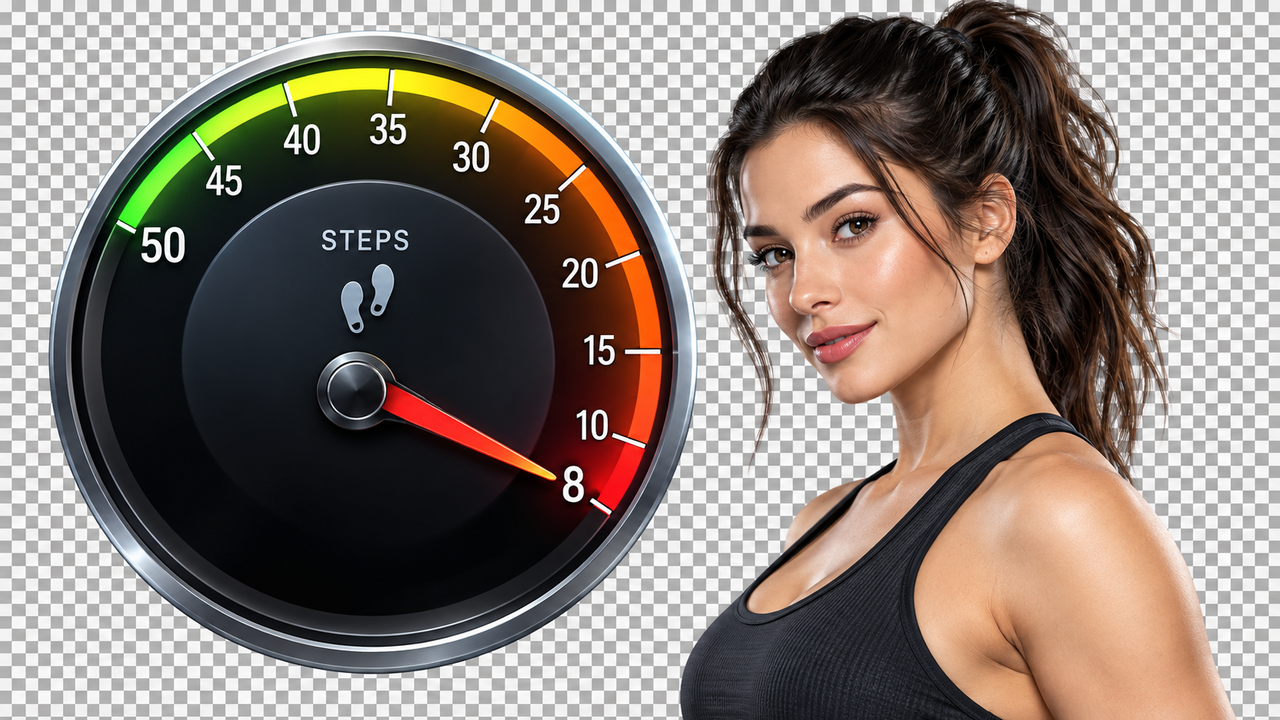
Alibaba's official Turbo checkpoint runs the 7B generator and editor in 8 denoising steps at CFG 1, with the schedule baked into the weights rather than bolted on as a separate LoRA. It handles 2K output, transparent RGBA, and natural-language editing, with Comfy-Org repackaged weights available now. Catch: it's the Qwen Research License, so commercial use needs a separate agreement.
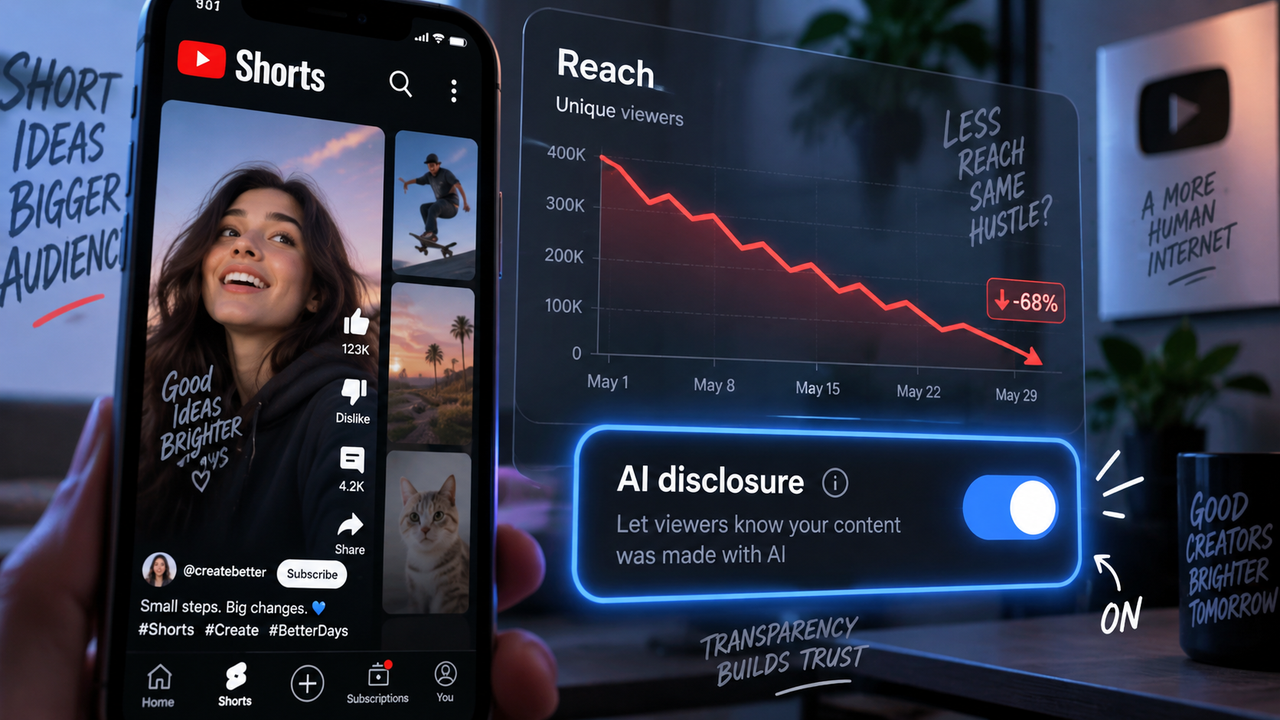
As of October 1, the Shorts feed began cutting reach for channels built mostly on re-uploaded clips, and AI-generated content requires disclosure via an upload-time toggle. The clarified "inauthentic content" policy explicitly targets templated and mass-produced video, which now routes to manual review and demonetization. Channels dormant six months or more also risk losing monetization entirely.
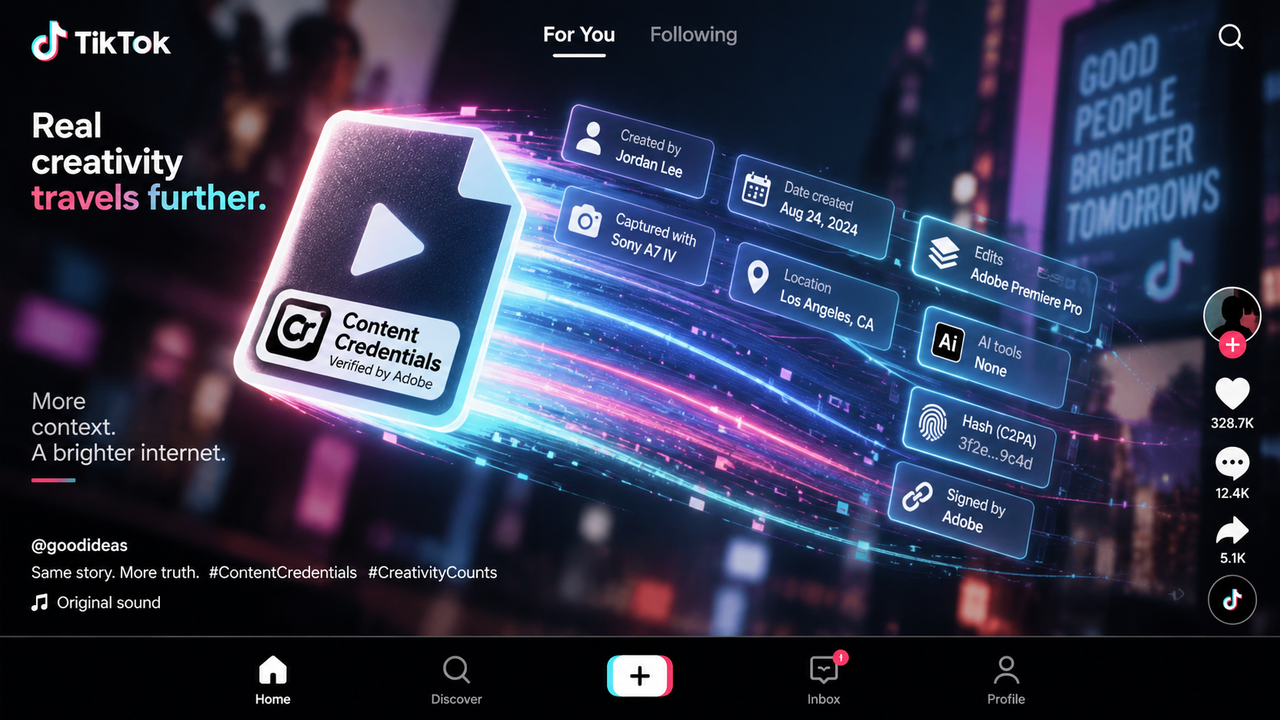
On October 8 TikTok announced it's joining the C2PA Steering Committee and pushing broader Content Credentials adoption, meaning provenance metadata on your renders increasingly travels with the file. It's also testing detection systems aimed at accounts dedicated to posting AI-generated spam, with extra scrutiny on topics touching public trust. An in-app AI literacy hub rounds out the package.
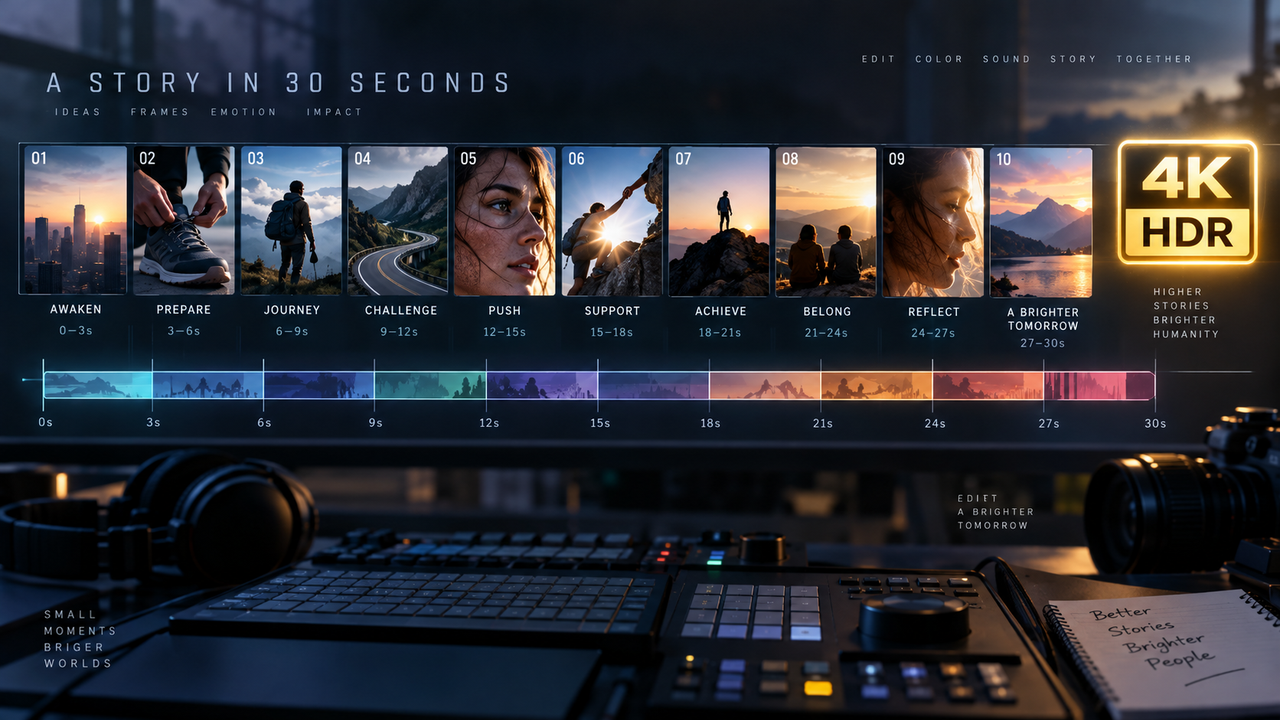
Kuaishou has 4.0 Flash in the wild since late September — up to 20 seconds at 720p — but gated to Ultra yearly subscribers. The full Kling 4.0 promises 30-second single generations, up to 10 keyframe images, Omni Reference pulling 15 references per request, 4K with stereo audio, lip sync across nine languages, and 8,000-token prompts. Still no firm release date announced.
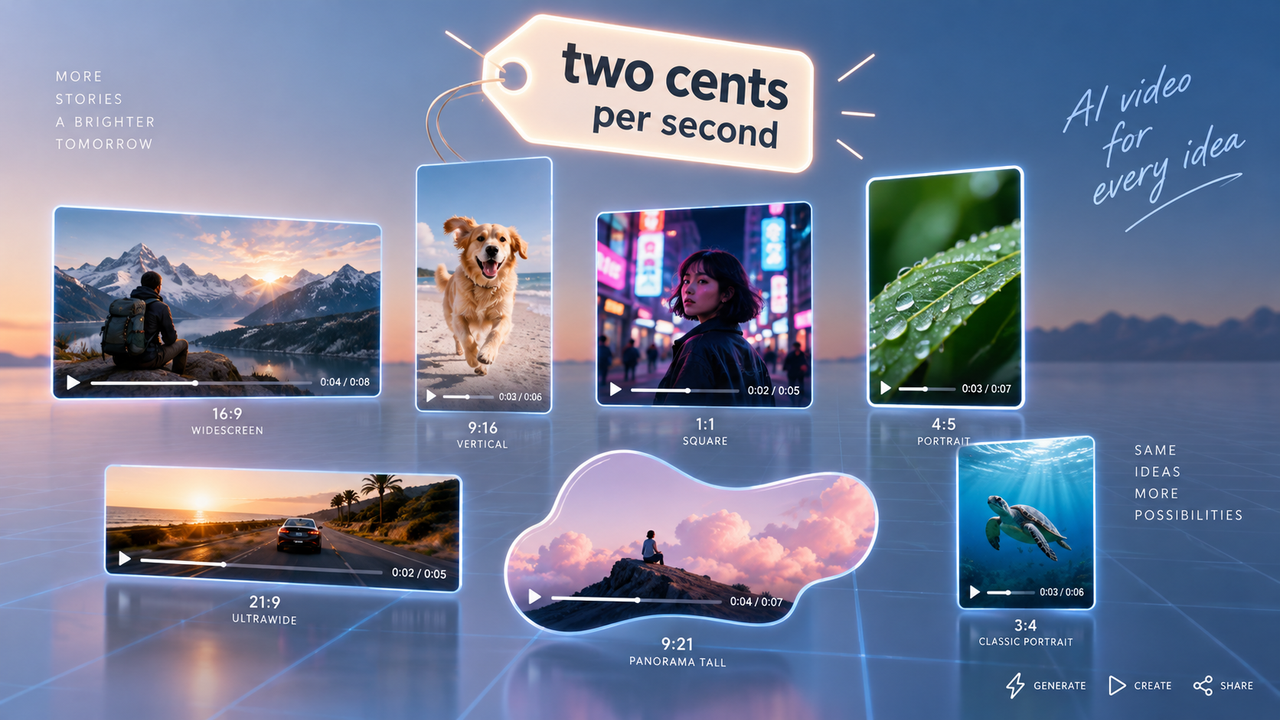
xAI's lightweight tier went live October 6 and is now on fal, doing text-to-video and image-to-video with native audio from 1 to 15 seconds. Output spans 480p to 1080p across seven aspect ratios, pricing from $0.02 per second at 480p to $0.14 at 1080p, audio included. Lip-synced speech is on by default — which makes it a credible bulk-draft engine before you commit a shot to a pricier model.
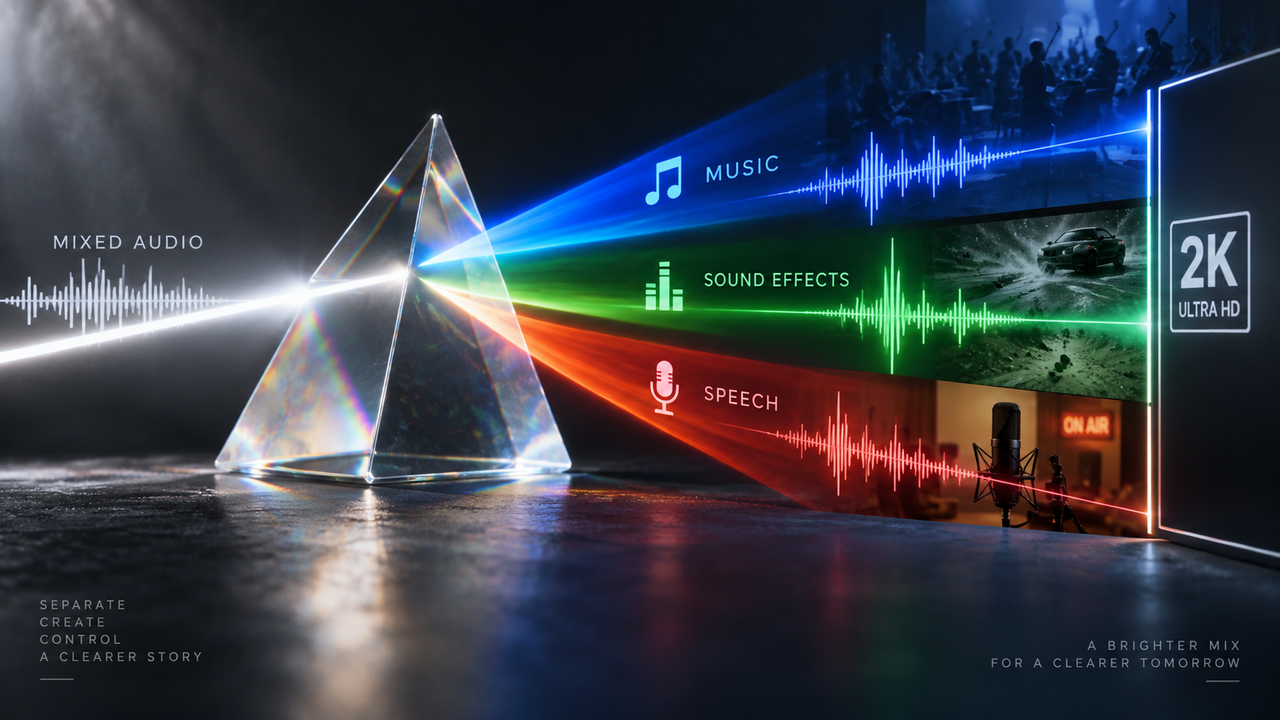
Hunyuan, with Fudan and Zhejiang University, released Prism under MIT — native 720p, 1080p, and 2K, with roughly 2.5x faster training than full attention. Audio control uses structured tags for music, SFX, and speech rather than one blended prompt. It's a research preview with steep hardware demands, so treat it as a fine-tuning base, not a production pipeline.
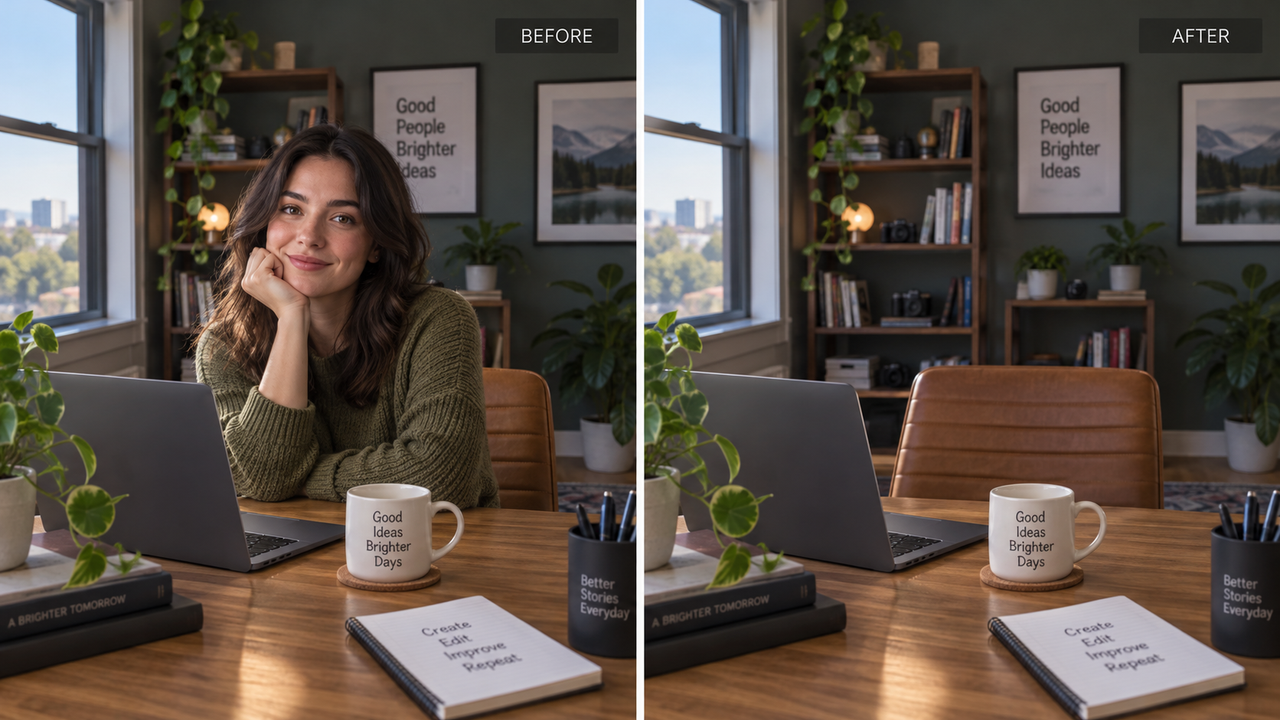
Akatz Labs' Person Remover tracks a subject with SAM 3.1, fills the mask, and rebuilds the background in overlapping windows — full-clip object removal without rotoscoping. It arrives alongside Qwen-Image-2.1 Next-Scene for storyboarding and Multiple-Angles covering 72 azimuth and elevation framings. All three are workflow-ready today under the MiniMax H3 Community License.
Launched October 1, Comfy Agent constructs ComfyUI graphs with AI directly on the canvas, with reusable skills and up to five parallel chats; frontend 1.41.21 followed with atomic userdata writes to stop graph loss. Meanwhile, Wan 3.0 remains API-only — no weights on the Wan-AI Hugging Face org, no ModelScope drop, no ComfyUI nodes. Alibaba's open lineage still stops at Wan 2.2 under Apache 2.0.