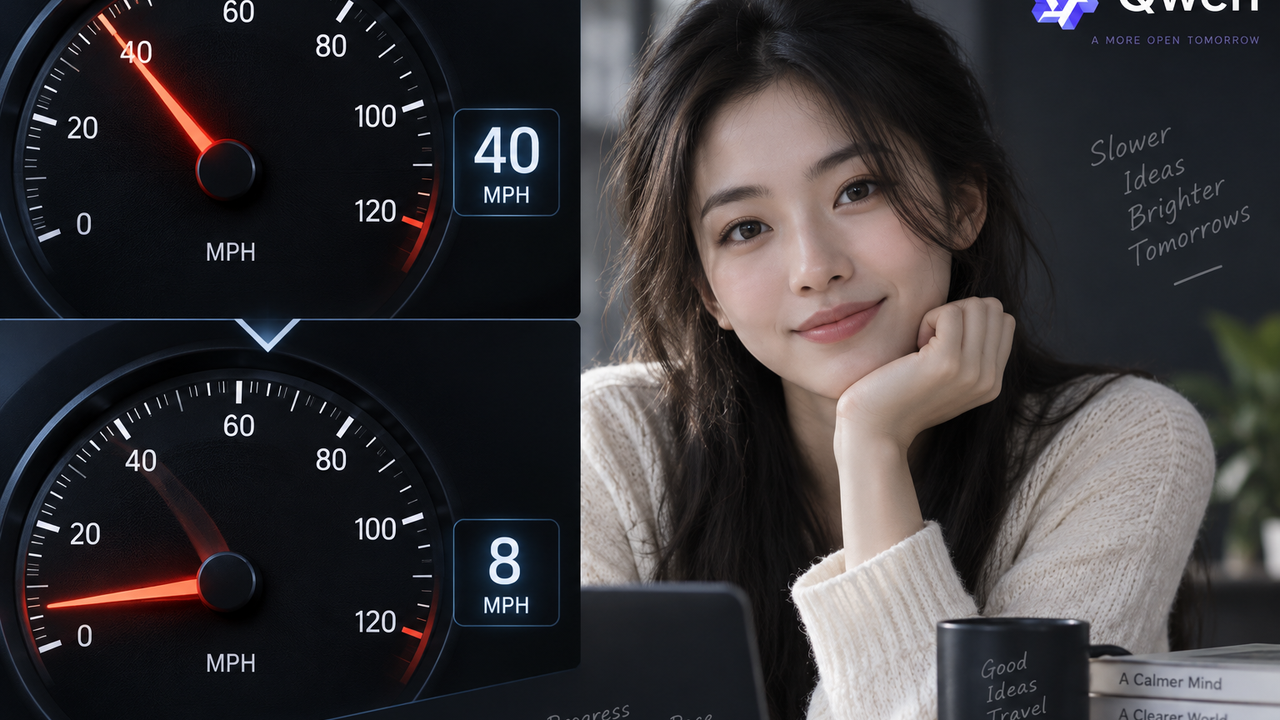
Alibaba shipped the official Turbo checkpoint on October 9 — the 7B generator and editor running in 8 denoising steps at CFG 1, down from the base model's 40. No LoRA stack to manage; the schedule now lives in the weights, with repackaged ComfyUI-ready files and roughly 4 seconds for a 1024² image on an RTX PRO 6000. Community distillations scored PickScore 21.94 vs the 40-step teacher's 22.15, so the quality tax is small. Ships under the Qwen Research License.
The Veda team shipped an official ComfyUI node that overrides MiniMax H3's attention with a learned sparse predictor — it scores attention tiles, keeps about the top 10%, and fetches only those K/V tiles. Claimed numbers are up to 6.8x attention speedup and 3.1x end-to-end, with bigger gains on longer clips and no weight changes, so your LoRAs and quantized checkpoints keep working. It's a one-wire install: MODEL in, MODEL out, placed after your LoRA loaders and before the sampler.
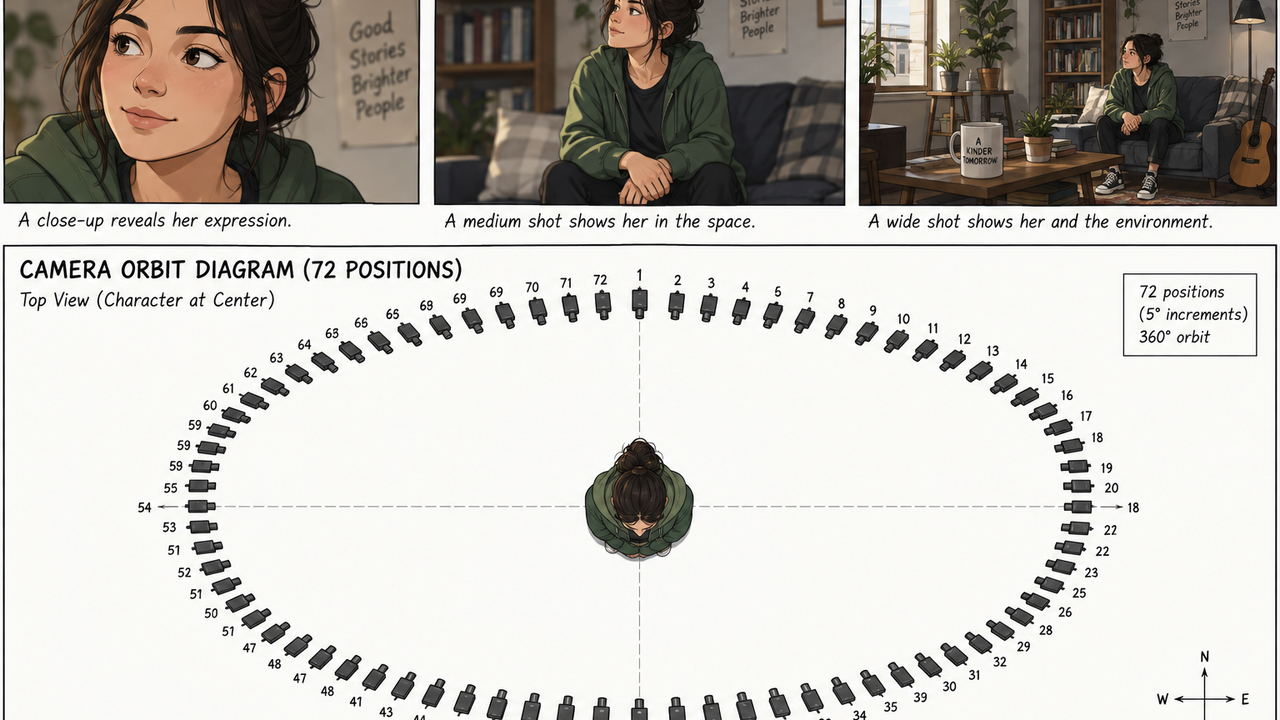
A cluster of Apache-2.0 LoRAs dropped October 7 from akhaliq and the community. Next-Scene renders the next directed shot from a single frame and chains into storyboards; Multiple-Angles lets you feed one photo and reshoot it from any of 72 azimuth/elevation framings; Outfit Swap changes only clothing while holding framing, face, and background. Together that's a cheap continuity and coverage toolkit for image-to-video pipelines that previously needed manual keyframe wrangling.
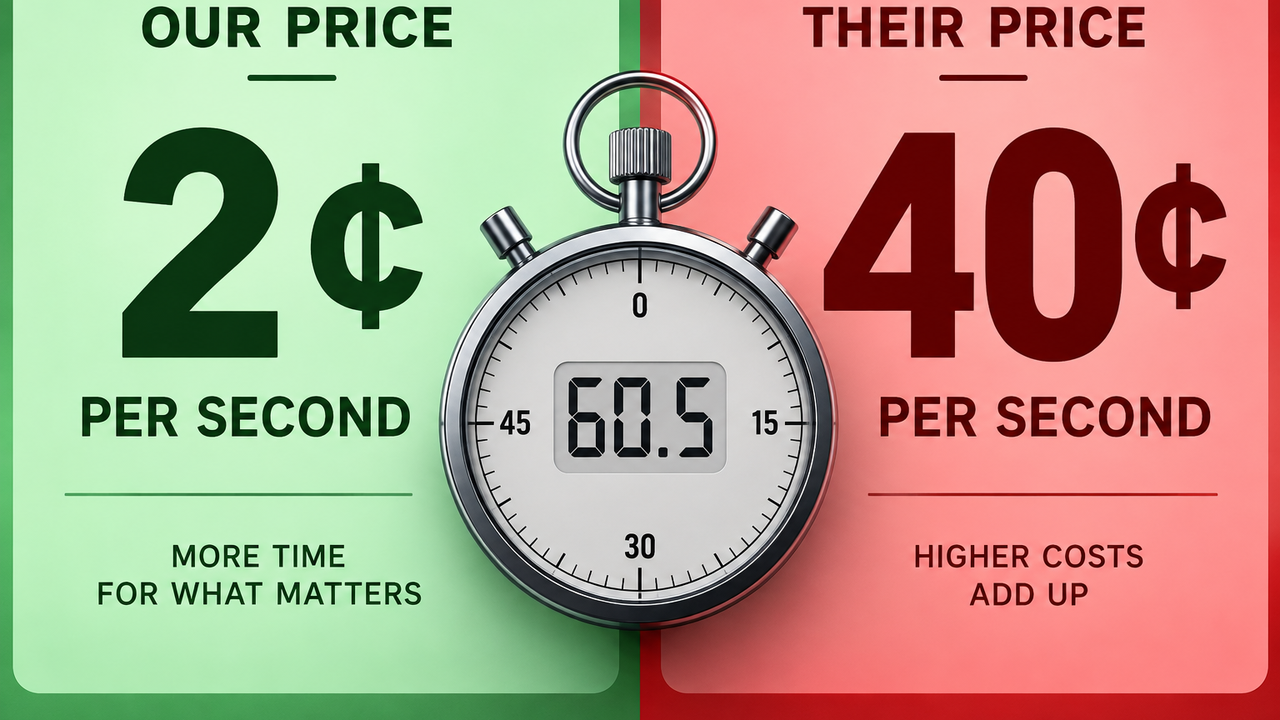
xAI added a distilled Lite tier on October 6 at $0.02 per second entry pricing with native audio, 1-to-15-second clips, text-to-video and image-to-video, and seven aspect ratios. It ranks #17 on AA-Video-T2V v2.0 — two spots above Veo 3.1 — at roughly $0.14/sec for 1080p against Veo 3.1's $0.40/sec, and it's the fastest model in its quality tier at a 60.5-second median for a 10-second 1080p clip. Available via the xAI API, fal, and Vercel AI Gateway.
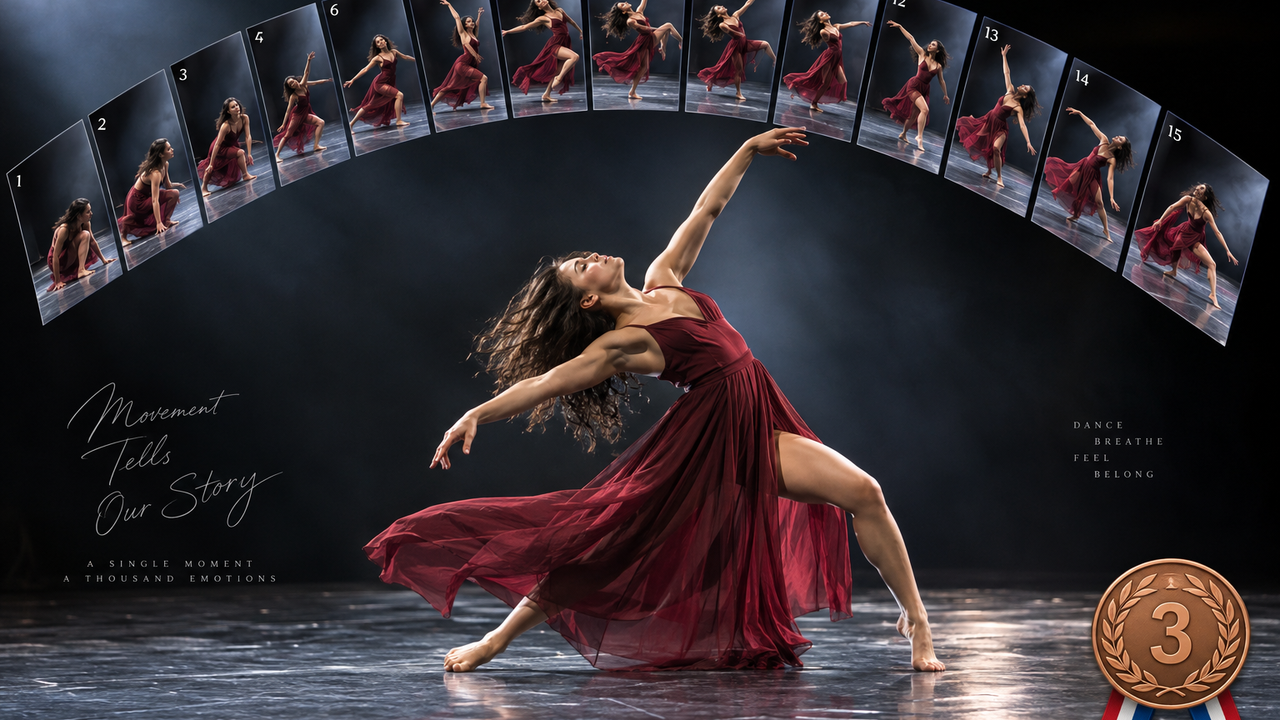
ShengShu launched the Q4 Preview on October 7 with up to 15 image references, three audio/voice references, 2K and 4K output at 10-bit color, and 16-second maximum clips. Entry pricing starts around $0.045/sec at 540p and scales to roughly $0.39/sec at 4K, with a 30% discount on image-to-video and reference-to-video through November 30. It landed third on the image-to-video board but is absent from text-to-video — so treat it as a reference-driven tool, not a prompt-only one.
On October 8 TikTok announced it will test enhanced detection aimed at accounts dedicated to posting AI-generated spam, especially on public-trust topics. The platform says it has now labeled more than 3 billion videos as AI-generated using Content Credentials, creator labeling, and invisible watermarking, and it committed over $4 million to AI literacy programming. It's also testing "Manage Topics" to give viewers more control over AI content exposure — relevant if you depend on For You distribution.
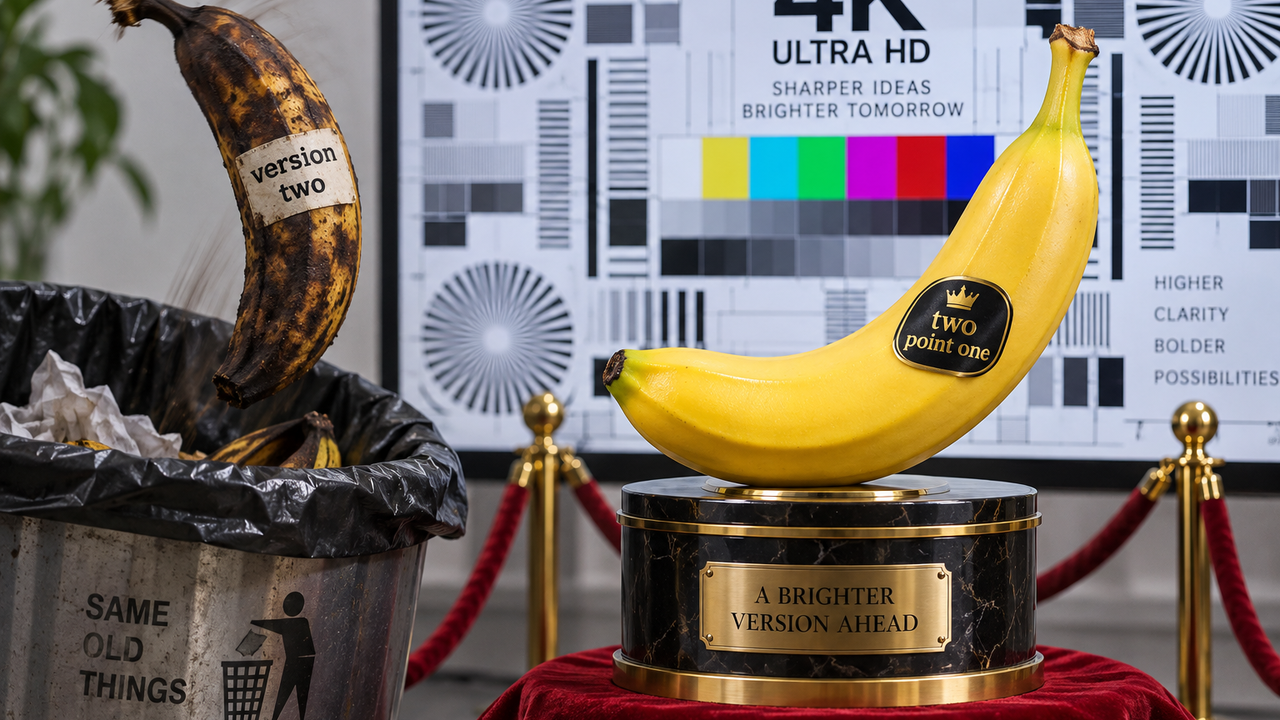
Google flipped Nano Banana 2.1 to general availability on October 8 and deprecated Nano Banana 2 the same day, so any pinned pipelines need a swap. The ComfyUI Partner Node handles text-to-image and editing in a single node, takes up to 14 reference images, outputs 1K through 4K, and spans 1:1 to 21:9 plus banner ratios like 8:1. Three thinking levels — Minimal, Medium, High — trade reasoning credits for quality, and worth flagging: the published quality comparisons are all internal, measured against Google's own older models.
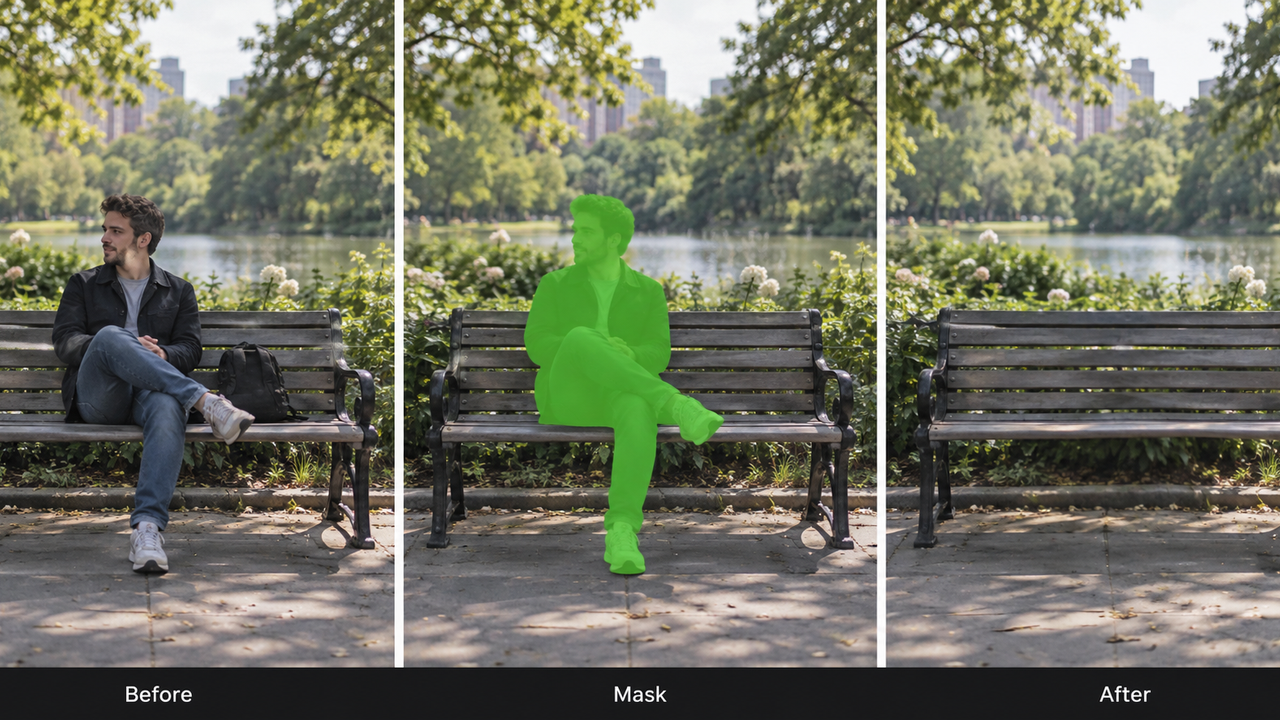
Akatz Labs shipped a workflow on October 8 that tracks a person with SAM 3.1, fills the mask green, and rebuilds the background using MiniMax H3 — a ready-to-run ComfyUI graph rather than a research demo. That's a real post-production unlock for anyone cleaning up stock plates or removing an unwanted subject from a generated clip without a roto session. Released under the MiniMax H3 Community License.
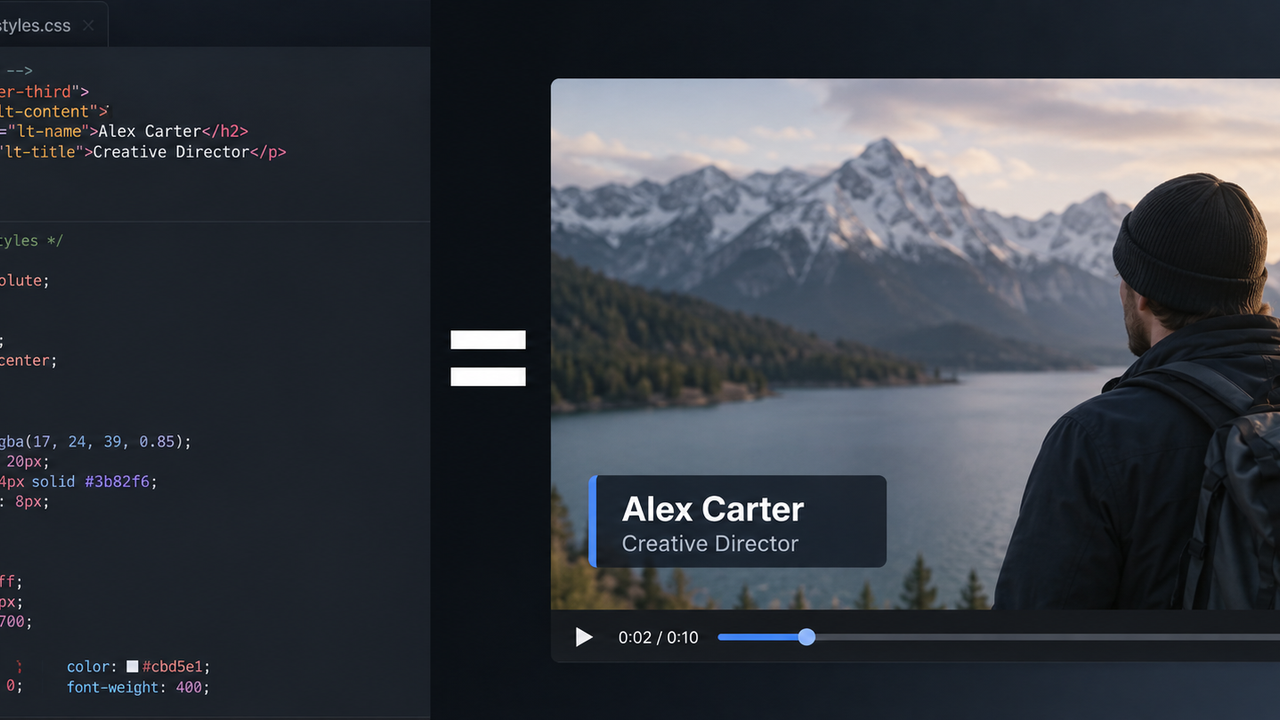
Launched October 8, HyperFrames loads HTML, CSS, and JavaScript compositions in headless Chrome, seeks each frame precisely, and pipes it through FFmpeg. The Studio runs on npx hyperframes preview with hot module reload, so the video updates on save, and HeyGen built its own 41.8-second launch video entirely in the framework. Output is deterministic — same code, same frames, every time — which is exactly what diffusion can't give you for lower thirds, data cards, and motion graphics.
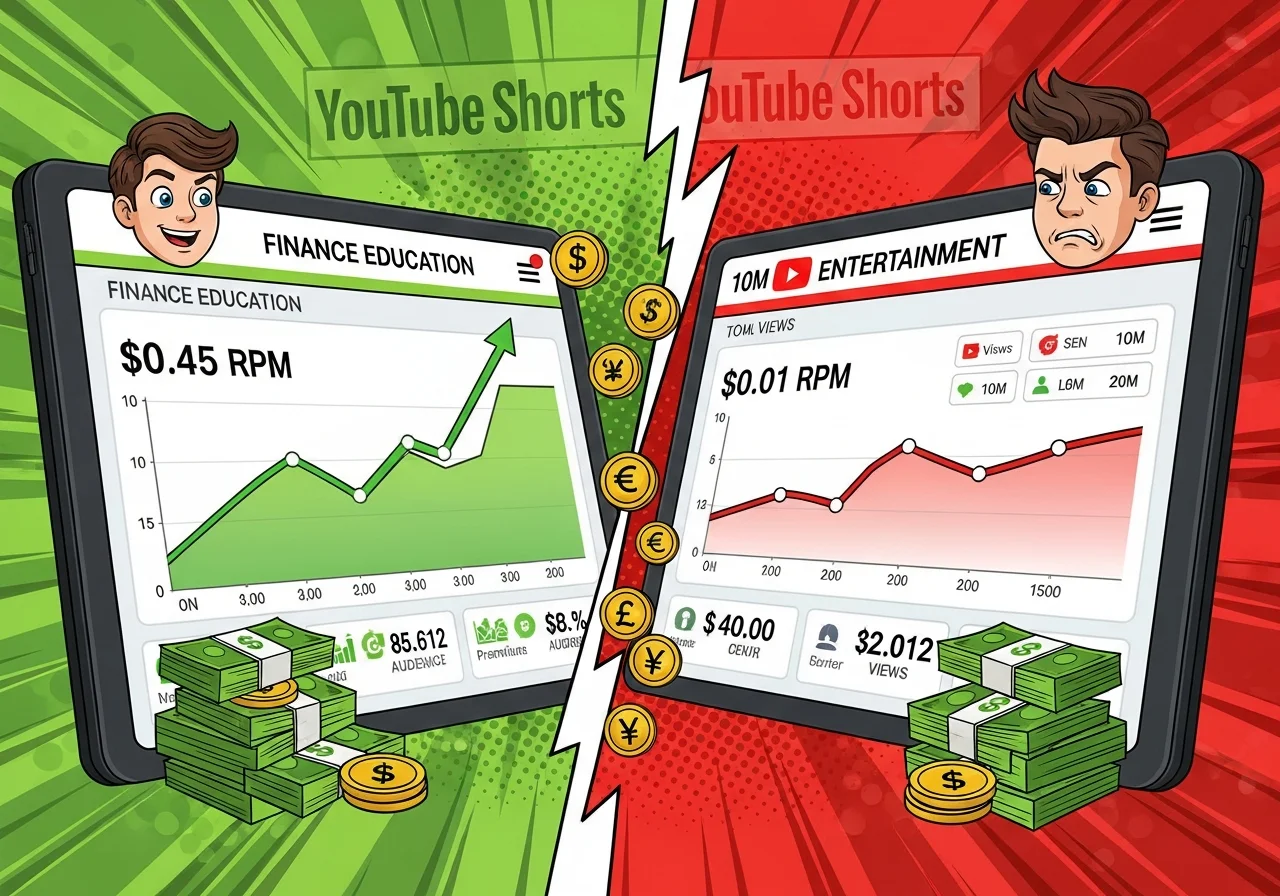
YouTube dropped the Shorts qualification threshold from 15 million to 10 million views in the trailing 90 days, alongside 1,000 subscribers. But the RPM split is stark: human-led channels using AI as a tool are averaging $0.04 to $0.08 per thousand, while mass-produced AI-only channels sit at $0.01 to $0.03 when they aren't demonetized outright. The channels winning are using Shorts as a funnel — one documented case pulls $200 a month from Shorts and $3,000 from the long-form it feeds.