xAI shipped the Lite tier of Grok Imagine Video 1.5 on October 1, and it's already live on fal: text-to-video and image-to-video with native audio, 1–15 seconds, 480p/720p/1080p across seven aspect ratios. The headline number is $0.02 per clip, undercutting Runway at $0.05 and Pika at $0.04 while still doing 1080p. For anyone running volume plays, that's a 60% cut to your variable cost on a format where you're throwing away 80% of generations anyway.
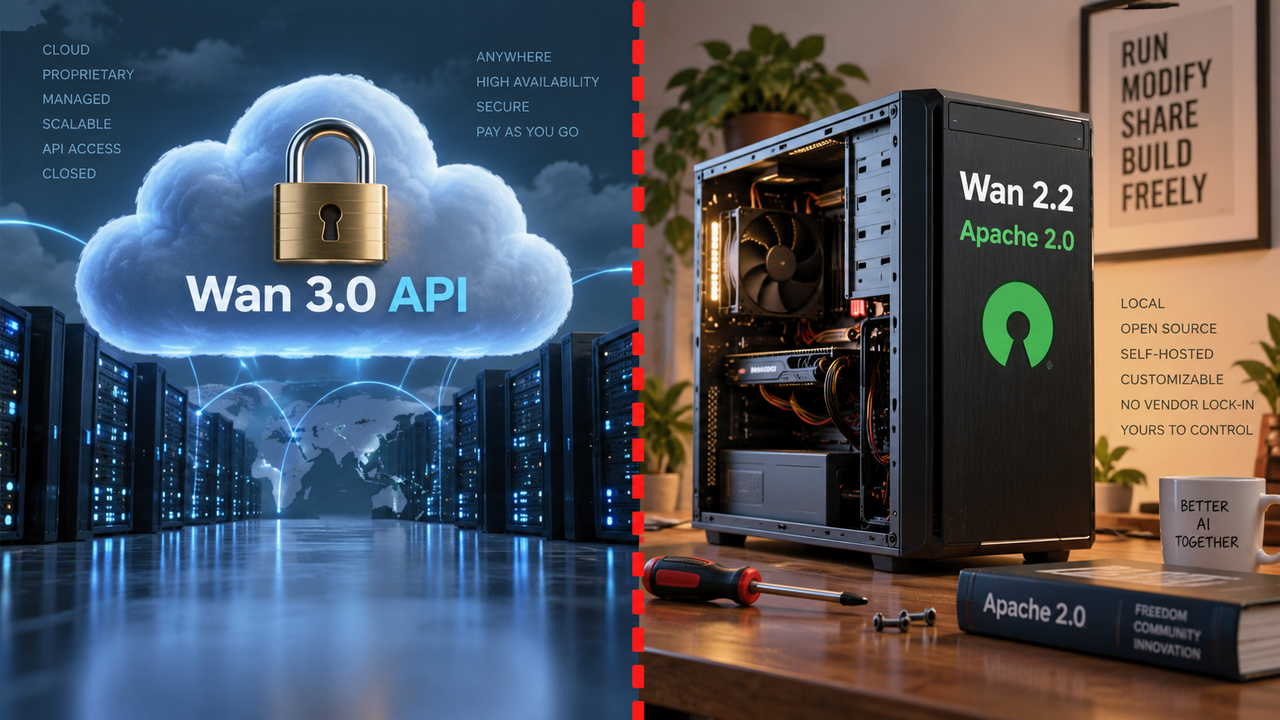
Wan 3.0 tops the Artificial Analysis text-to-video board with 30-second single-shot clips, but there are no weights on Hugging Face, no GitHub repo, and no local ComfyUI path. The official "Wan 3.0 ComfyUI workflow" is a Partner Node calling Alibaba's hosted API. Alibaba's open weights stop at Wan 2.2 under Apache 2.0 — 2.5, 2.6, and 2.7 all went commercial — so if your margin depends on zero marginal generation cost, plan around 2.2 plus Lightning LoRA, not a 3.0 local release that isn't coming.
The Lightx2v V2 distillation LoRA compresses Wan 2.2's standard 40-step dual-expert process to 8–14 steps at low CFG with LCM sampling. Community benchmarks: a 480p five-second clip goes from 40–50 minutes down to 1–3 minutes on a 4090. At 640x640, fp8_scaled alone is ~524 seconds first gen; with the 4-step LoRA it's ~138 seconds first gen and ~79 on the second. Eight steps for volume, twelve for balance, fourteen when a clip actually matters.
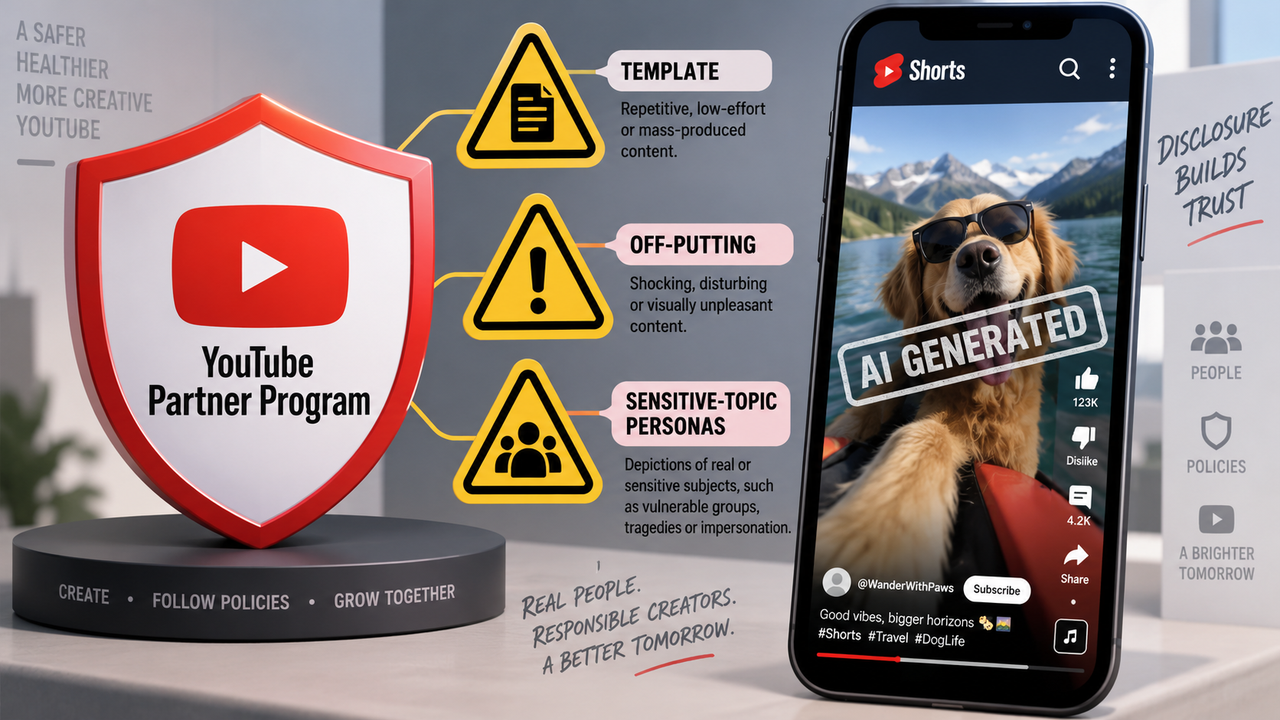
YouTube published clarified Partner Program guidance on July 16, 2026 defining three non-monetizable buckets: generic or template-based videos, unsatisfying or off-putting content, and AI personas giving advice on sensitive topics. It's not an AI ban — AI-assisted content stays eligible if it delivers "significant original and authentic value." Separately, since May 2026 the AI disclosure label sits directly on the Short itself rather than tucked in a description, so your hook now competes with a badge in-frame.
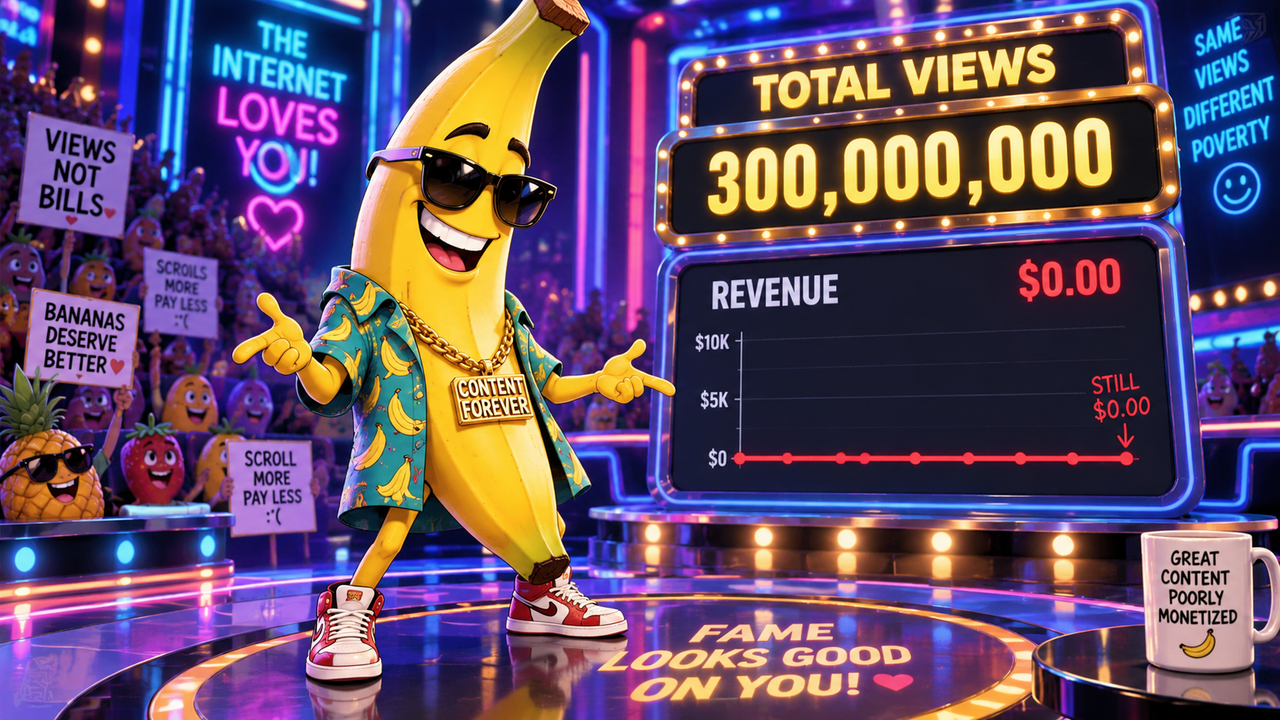
Fruit Love Island remains the cleanest case study in the space: 300 million views in nine days, fastest-growing account in TikTok history, episodes averaging 10–15 million with one peaking at 39 million. The engine wasn't the fruit — it was daily episode cadence, fan voting, and audience-submitted plot ideas. Note the ending though: 12 of 22 episodes got pulled and the creator stopped on March 28 citing zero revenue. Format worked, monetization didn't.
Creator-reported YouTube Shorts RPM in 2026 lands between $0.03 and $0.10 after YouTube's cut, with real-world range from $0.01 to $0.12 depending on niche and geo. TikTok's Creator Rewards sits at $0.40–$1.20 RPM but gates on one-minute-plus runtime, 10,000 followers, and 100,000 views in 30 days. Meanwhile long-form earns 10 to 100 times more per view — the arbitrage is using Shorts as a feeder, not a revenue line.
Two new hosted-model node sets landed Wednesday: Vidu Q4 Preview with image-to-video and reference-to-video at 540p through 4K with synchronized audio, plus HeyGen Video 1.0 with reference-to-video and image-to-video. There's also a native Video Concatenate node now, which kills a whole category of ffmpeg glue in multi-clip episodic pipelines. Earlier in the month Kandinsky 6.0 landed with 5-second video plus synced 44 kHz audio.
Faceless AI/tech channels are running $15–$22 CPM against $10–$15 faceless RPM. Business documentary and case-study channels show $5–$14 RPM, roughly $3,300–$8,400 monthly AdSense at 600K views. FinTok grew 275% year over year to 4.7 billion total views. One documented court-case video cost $250 to produce and pulled over $20,000 on 5 million views — the production cost barely moves across niches, but the payout moves by two orders of magnitude.
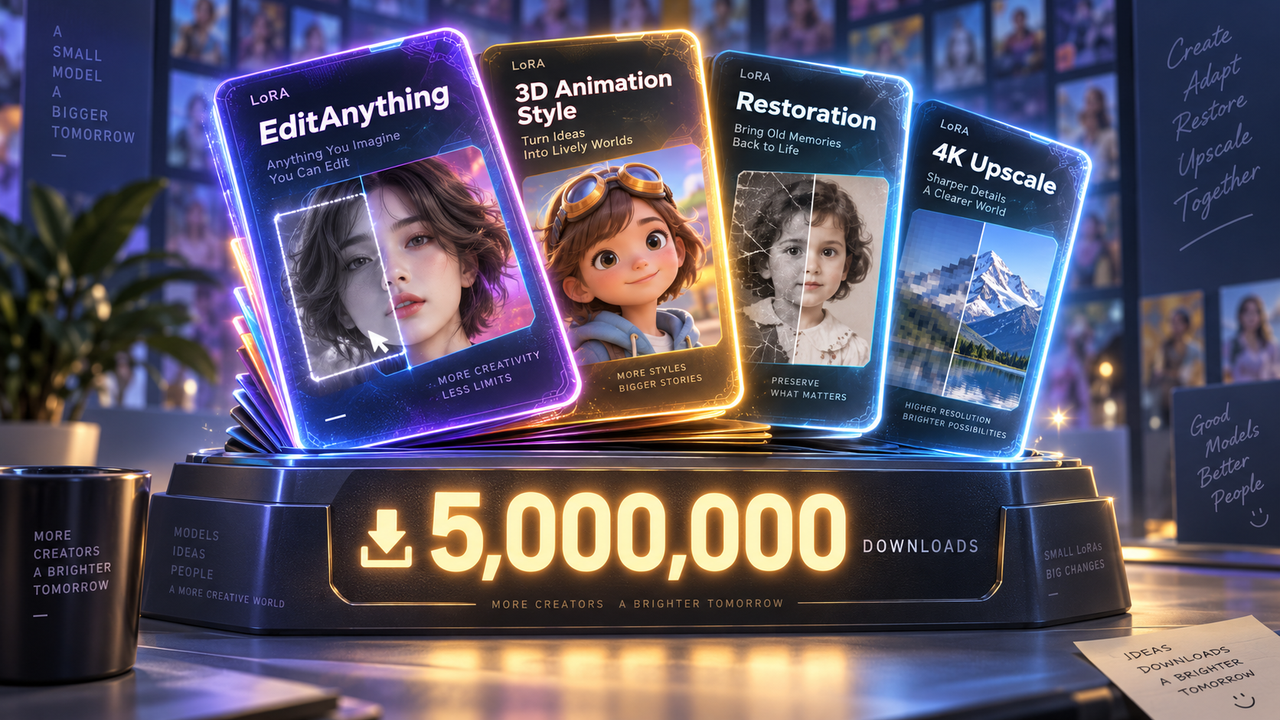
LTX-2's open-weight release hit roughly 5 million Hugging Face downloads, reportedly the fastest adoption on the platform, and the 2.5 generation shipped in August with open weights built for local fine-tuning. The Civitai side is where it gets useful: EditAnything for LTX-2.5 is at 7.7K downloads, a 3D-animation-style LoRA published August 28, plus community LoRAs for footage restoration, layout-to-render, and native 4K/8K upscaling. That's a style-differentiation layer the API-only models can't match.
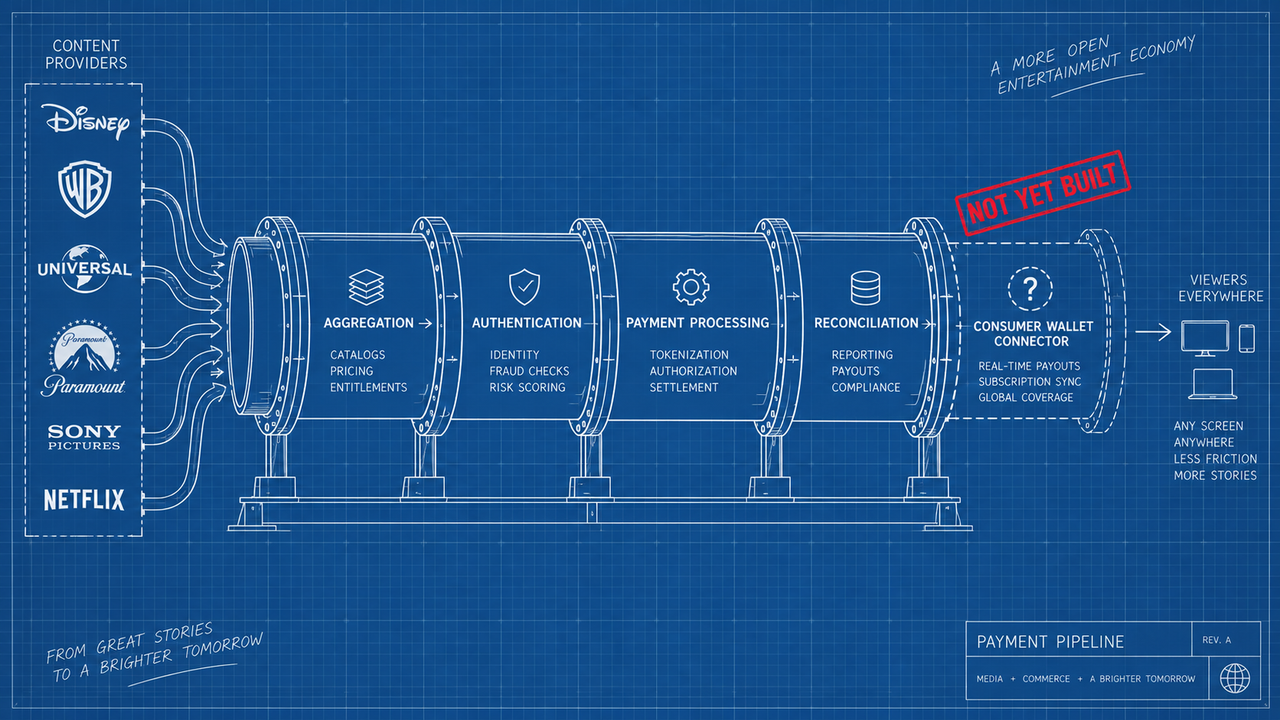
OpenAI is moving Sora to an opt-in IP model with granular character controls for studios, plus a revenue-sharing mechanism for rights holders who authorize their characters. Altman has said the framework "will take some trial and error," and OpenAI plans to test multiple approaches inside Sora before standardizing across the product suite. Translation: no live payout rails yet, so treat Sora distribution as reach and brand, not as a revenue channel this quarter.