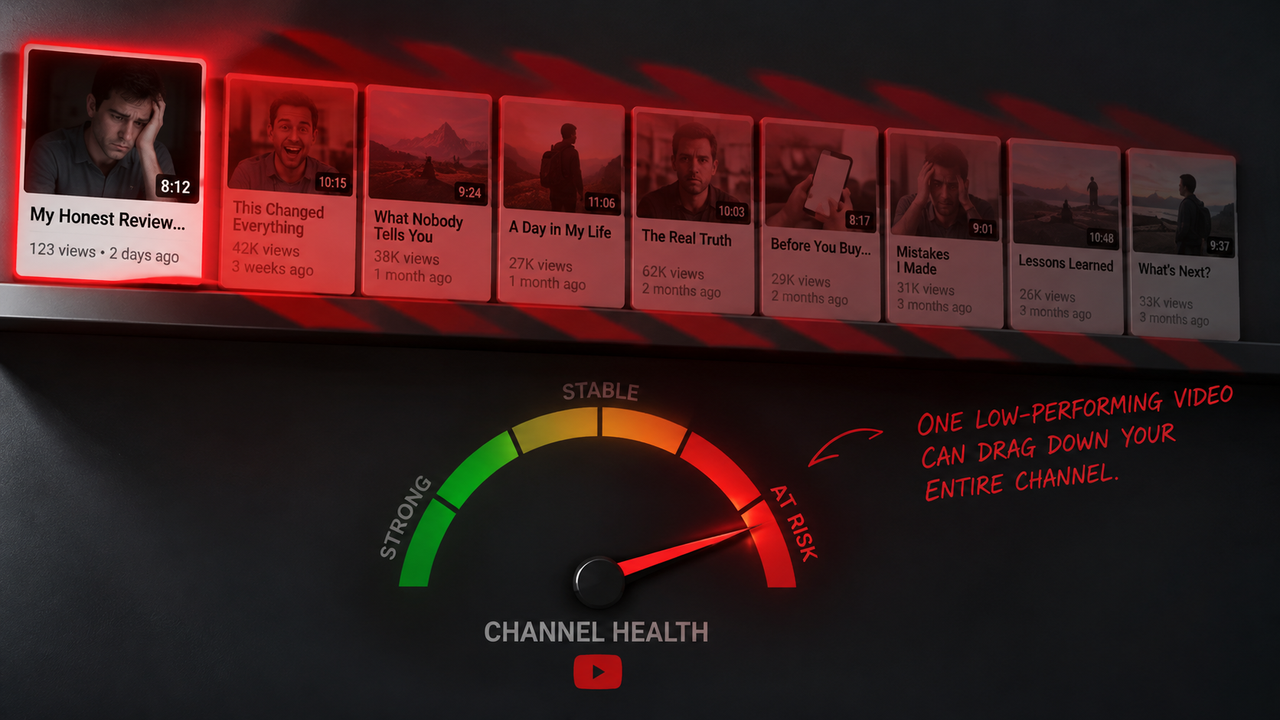
As of October 1, the reused-content classifier scores at the channel level, not per video — frame-level similarity, audio waveform matching, and metadata overlap roll into a single originality score that drags every Short on the account. Operators reposting or lightly re-cutting source clips are seeing distribution drop by more than half overnight, including on genuinely original uploads sitting in the same shelf. The upside: channels that pivot to heavily transformed output recover within a few posting cycles, not months.
The full accounting is now public: 16 major channels terminated or content-wiped, 35 million subscribers gone, roughly $9.8 million in annual revenue erased. Casualties include CuentosFacianantes at 5.95M subs and Imperiodejesus at 5.87M — both AI-narrated, template-identical, zero variation. The broader study tagged 278 AI channels holding 63 billion cumulative views, and noted about 21% of Shorts served to new users were classified as slop pre-enforcement. Enforcement hit template cloning, not AI usage.
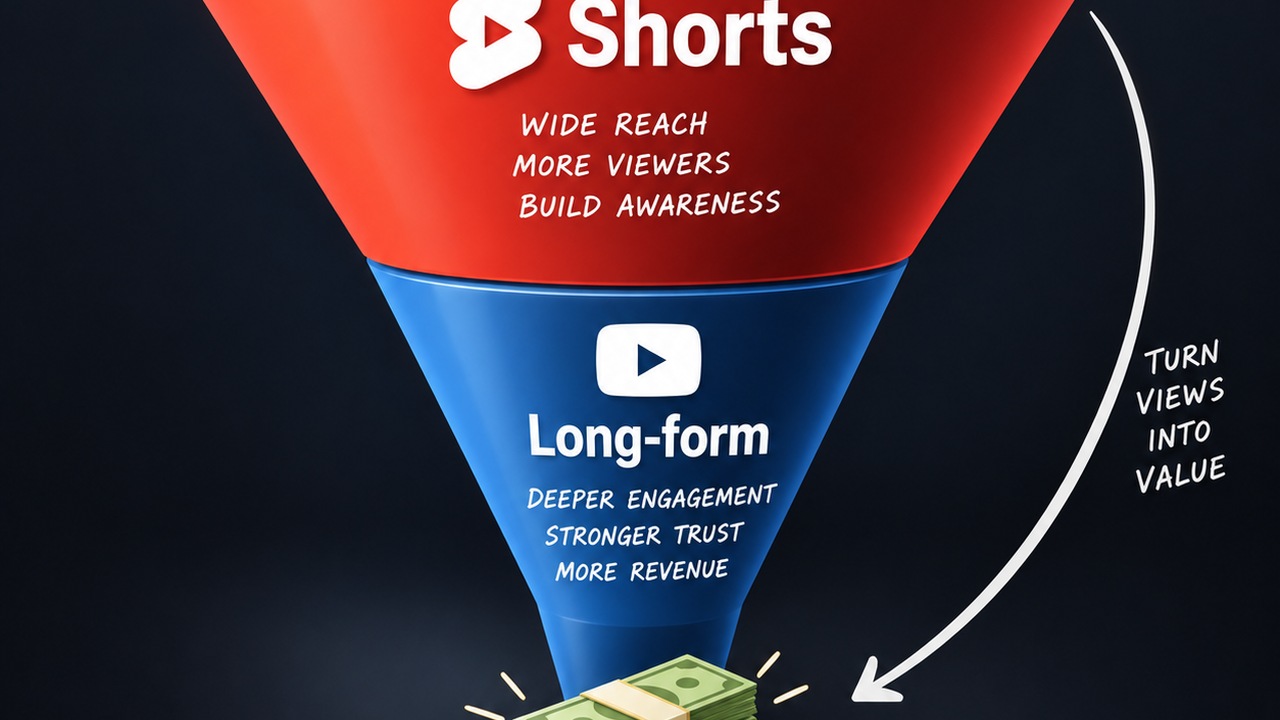
AIR's data across 274 channels puts Shorts RPM at $0.01 to $0.12 per thousand views versus $3–$6 on long-form. The case studies are the actionable part: an arts-and-crafts channel logged +41.8% views and +64.1% revenue 30 days after adding Shorts, and an Arabic channel went from $6,380 to $9,474 monthly — a 48% lift. Almost none of that came from Shorts RPM; it came from Shorts viewers converting into long-form watch time. Treat Shorts as the top of funnel, not the till.
TikTok is auto-detecting synthetic media via C2PA Content Credentials even when creators don't self-disclose. Three unlabeled AI videos triggers roughly a 60% reach reduction for 30 days plus a temporary Creator Rewards earnings suspension; a fourth offense means permanent program removal. The nuance operators keep missing: the Creator Rewards terms never ban AI outright — originality is the gate. AI-assisted with human concept passes, fully automated template output doesn't.
On October 2, ComfyUI landed native support for Wan 2.2 Animate, bringing character replacement and motion transfer into the local node graph. That means you can drive a consistent character across a whole series off reference footage instead of re-rolling and praying for identity stability. Native WanVideo nodes — Loader, Sampler, Decode, CLIP Text Encode (Wan) — have been core-maintained since 0.3.5, with official workflows for TI2V-5B, 14B T2V, 14B I2V, and first-last-frame.
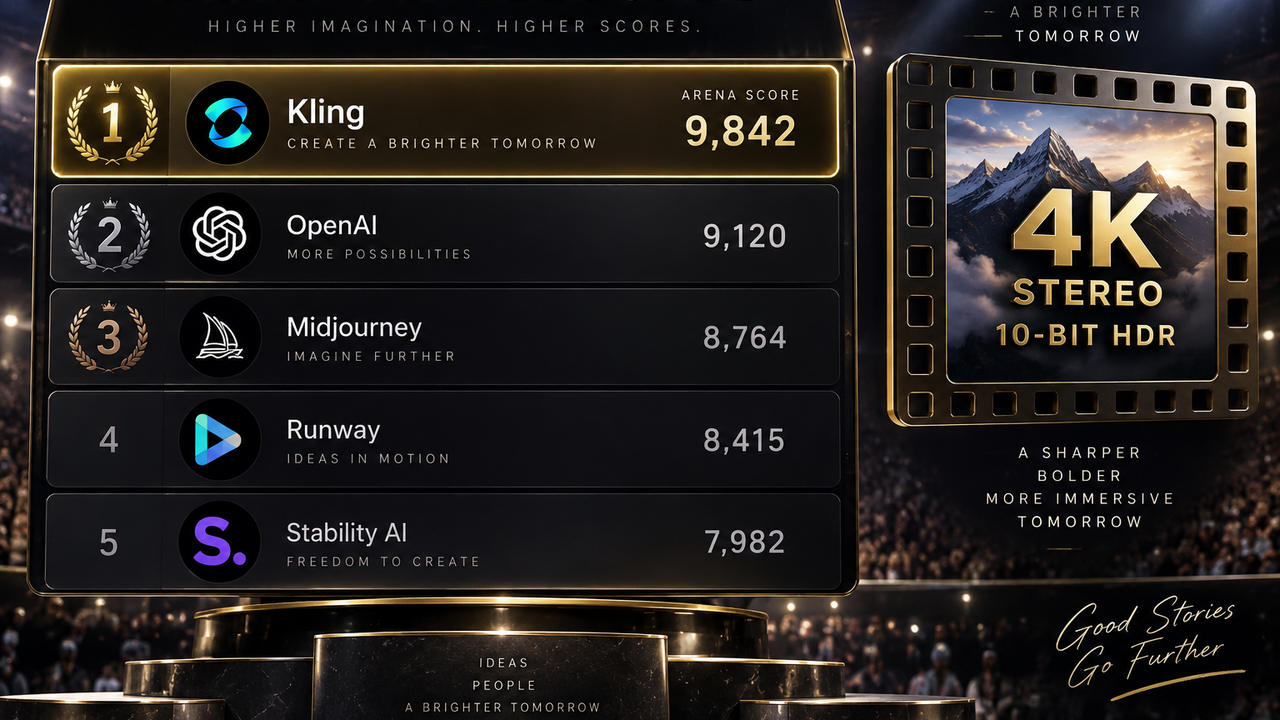
Kling 4.0 Flash went to limited early access September 28 with 3-to-30-second clips, up to 4K, stereo audio, and 10-bit HDR output, with the full 4.0 rollout expected this month. The leaderboard as of October 9 has Kling v3 on top of text-to-video at an arena score of 1934, ahead of Happy Horse 1.0 at 1816 and Seedance 2.0 Fast at 1747. Native stereo plus HDR narrows the gap between closed-API output and a graded local pipeline.
The CPM spread across faceless niches is wider than most operators price in. AI and tech news is landing $4.50 to $11 Creator RPM, which turns 800K monthly views into $3,600–$8,800 in AdSense alone. For contrast on ceiling: Zack D. Films sits at 27.6M subs on animated curiosity Shorts, Magnates Media pulls $115K+/month on 2 million views of business docs, and Chilling Scares clears $100K+ at 18 million monthly views on horror. Niche selection is still the single highest-leverage decision.
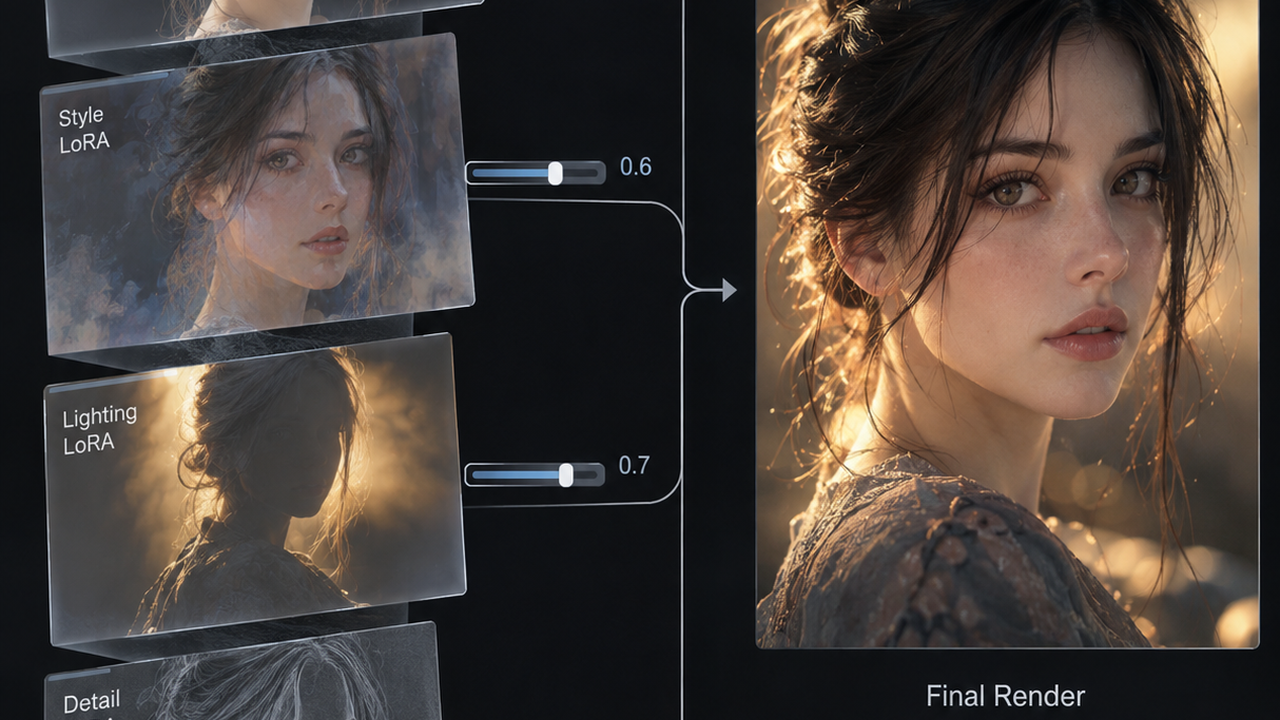
The community consistency hierarchy has settled: seed control for mild, reference images for strong, LoRA training for near-perfect — train once on 20 to 50 images, reuse forever. The emerging move is stacking, layering character, style, lighting, and detail LoRAs at different weights for composite control. Civitai's October updates also fixed base-model selection persistence and finally render video at true aspect ratio with proper controls on longer clips.
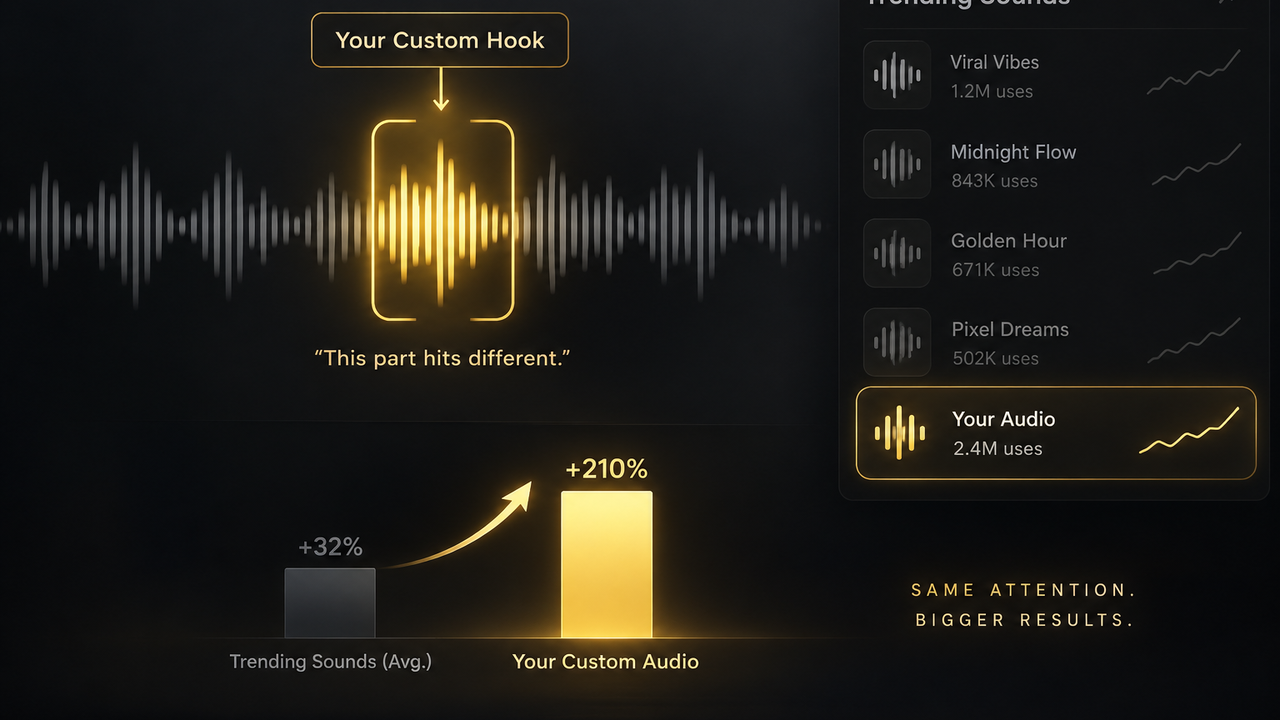
TikTok's own creative data says ads and content built around distinctive voiceover, purpose-built SFX, or a custom audio hook outperform anything where sound was bolted on in post. Top performers are increasingly using original audio over trending sounds — which inverts the old playbook. Symphony Creative Studio is cutting ad production time up to 80% and enabling 10x creative variants for A/B, so the differentiator is shifting from volume to sound design.