Open weights for the Wan family are frozen at Wan 2.2 (Apache 2.0, July 2025) — Wan 2.7 launched cloud-only and is not available for local ComfyUI inference. Wan 2.6, which introduced native audio-video sync and multi-character consistency, also never dropped as open weights. ComfyUI can reach Wan 2.7 via partner API nodes, but that means per-second billing, not local control. Based on Alibaba's prior release cadence, expect community open-weight nodes 4-8 weeks after any official drop — watch the ComfyUI blog.
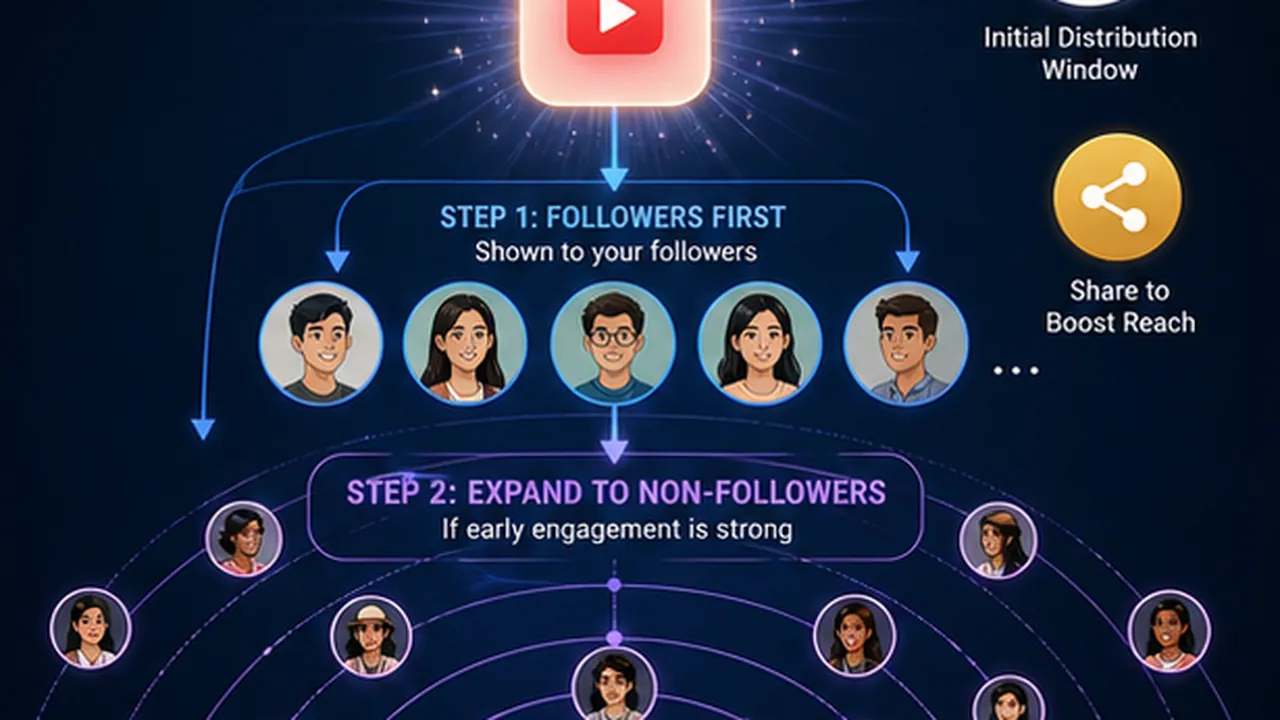
TikTok now shows new posts to existing followers first, measures engagement velocity from that group, then decides how hard to push to non-followers. The first 60 minutes after posting carry the heaviest algorithmic weight. Shares are the single top-weighted signal in 2026 — above likes and comments. Four to six posts per week timed to high-engagement windows is the current operator setting; posting at dead hours kills distribution even on strong content.
A 29-year-old part-time wedding photographer from Yunnan, China produced a three-minute post-apocalyptic AI short called "Zombie Cleaner" for 3,000 yuan (~$443) using a domestic tool called Little Skylark — 10 days of production, no English skills. It ran up tens of millions of overseas views and crossed $500K in revenue; when fans commented in English, his reply of "I can't read English" went viral on its own. The global AI-produced drama market is projected at $650M in 2026, up 550% year-over-year — the format is proven at the low end of the budget range.
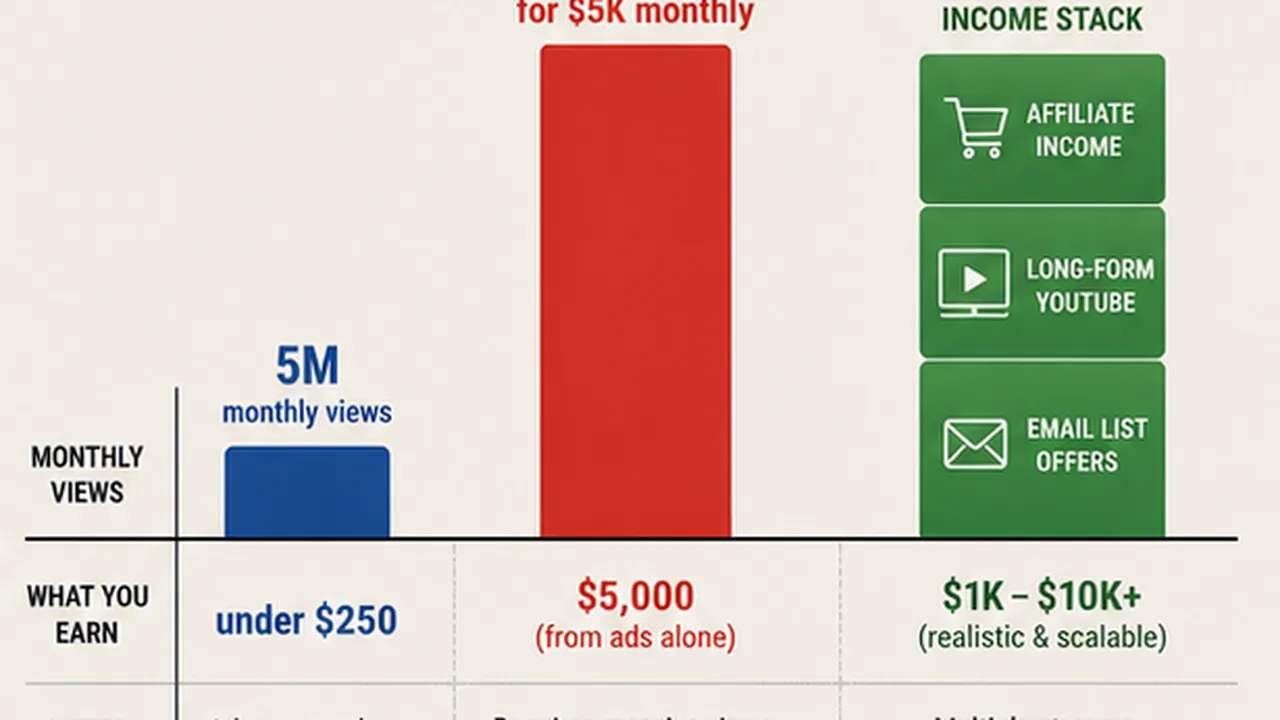
Practical YouTube Shorts RPM runs $0.05-$0.50 per 1,000 engaged views. Reaching $5,000/month from ad revenue alone requires 40-100 million monthly views — a threshold only ~3% of monetized channels achieve. The operator model that works: use Shorts as top-of-funnel acquisition and route revenue through affiliate programs, long-form YouTube (where RPM runs $1-40+), and email. Shorts is a marketing budget, not a paycheck.
Deloitte projects $7.8B in in-app micro-drama revenue for 2026, nearly doubling from 2025. A 10-million-view series earns $200-$700 in Shorts ad money — the real money is licensing story rights to ReelShort or DramaBox, driving viewers to your own paywall app, or embedding brand deals directly in the show (the Crocs/ReelShort model). Treat ad rev as a traffic metric, not a revenue metric, in this format.
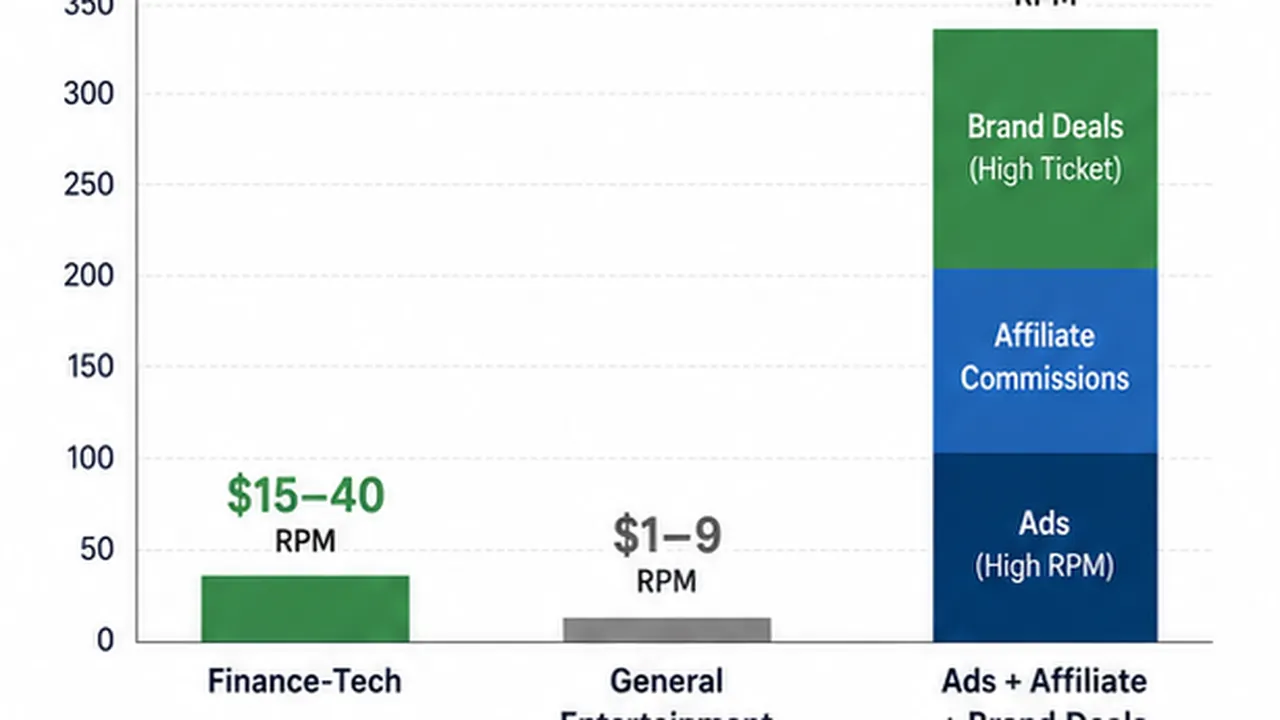
Finance and tech channels on YouTube pull $15-40 per 1,000 views versus a platform average of $1-9. Operators stacking AdSense with AI tool affiliate programs — ElevenLabs, Runway, and Midjourney are all running 20-50% recurring commissions — report effective RPM of $100-300 when all streams are combined. The top earners run 4-6 income sources simultaneously. Niche selection at the start determines your ceiling.
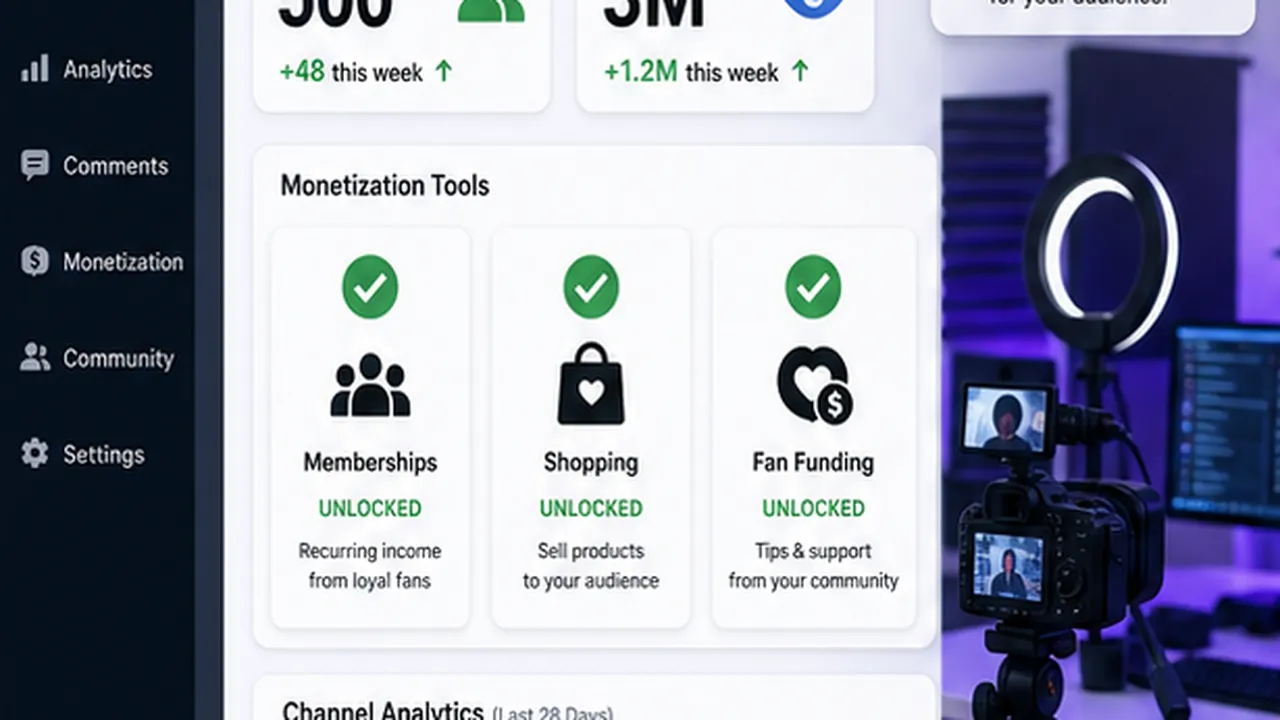
Fan Funding features (memberships, Super Chat, Super Thanks, Shopping tags) now unlock at 500 subscribers and 3 million Shorts views in 90 days — a significantly lower bar than before. Full ad revenue sharing still requires 1,000 subs and 10 million Shorts views in 90 days. YouTube updated AI-content labeling enforcement in May 2026: if you don't disclose significant photorealistic AI content, the platform applies the label automatically. Non-disclosure is no longer a viable strategy.
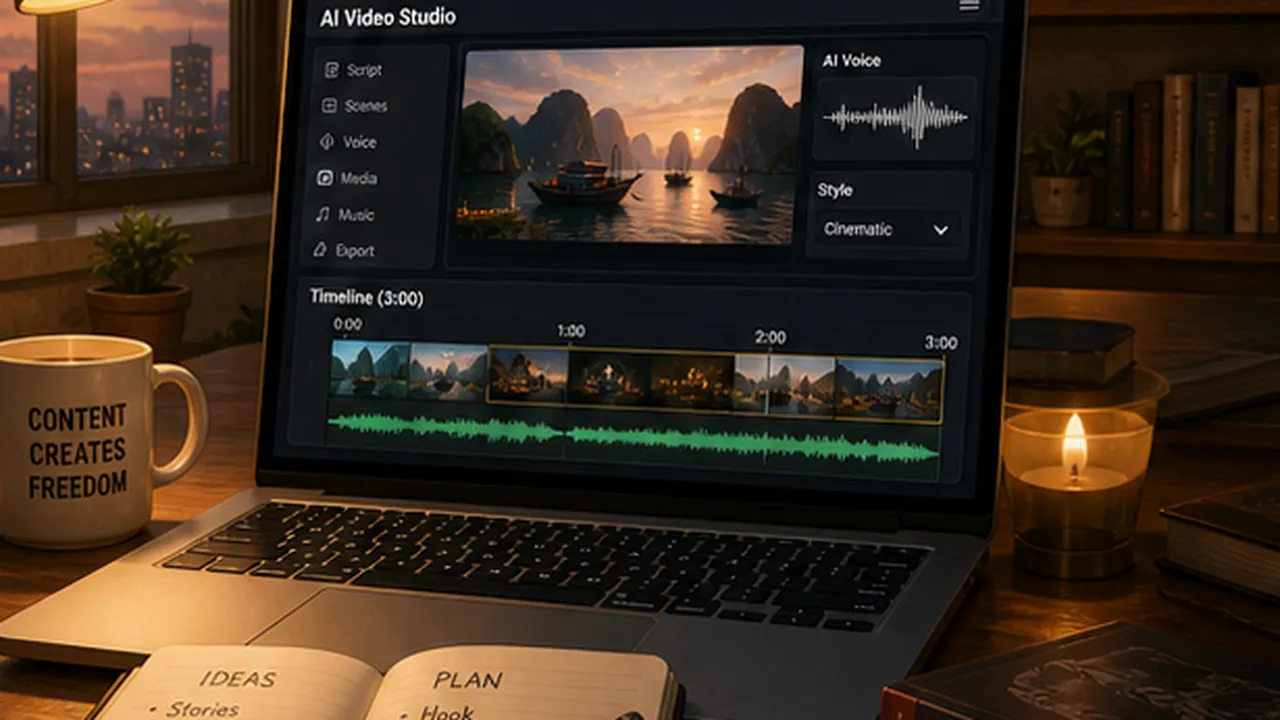
The highest-volume workflow in 2026 is image-to-video, not text-to-video: generate the perfect composition and aesthetic in an image model (where you have precise control), then pass to Wan I2V for temporal coherence and motion. ComfyUI 0.3.5+ includes native WanVideo nodes making the integration clean. Batch production at this stack runs 45-90 minutes per video including scripting, voiceover, and edit — the time overhead is manageable at volume.
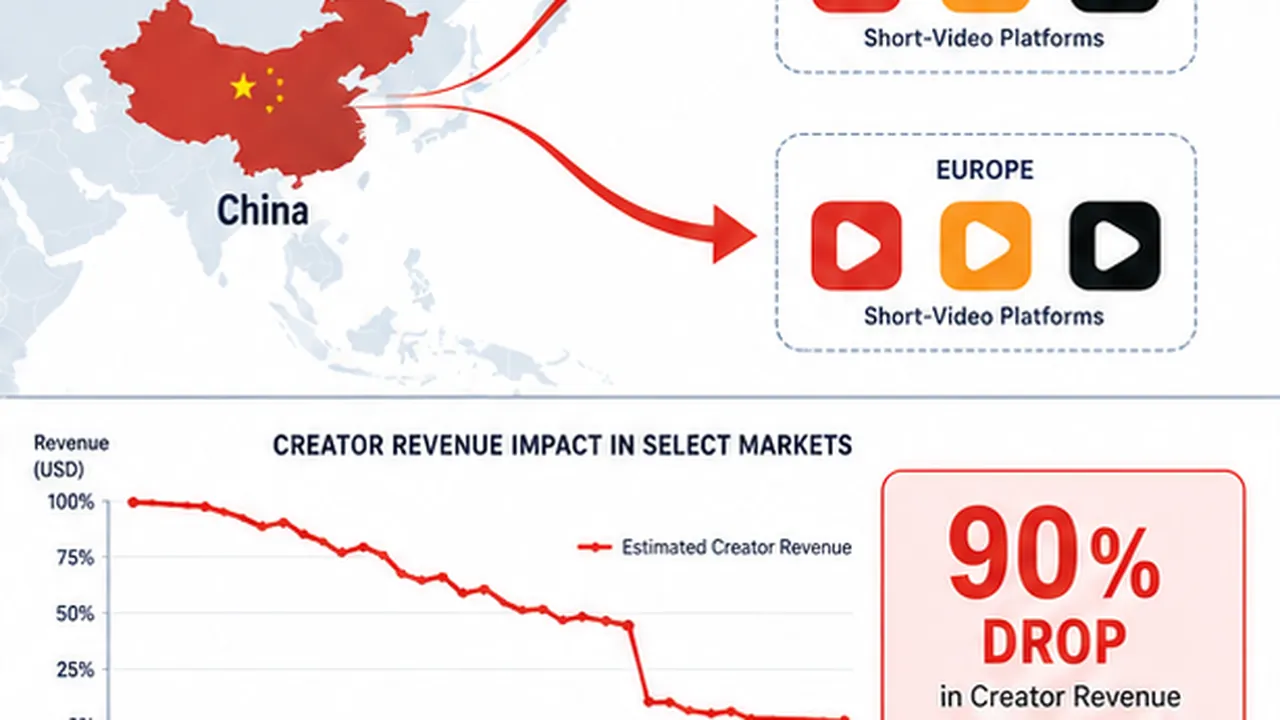
In April 2026, Douyin's Hongguo platform cut creator revenue sharing from 30-100 yuan per 10,000 effective views to 5-10 yuan — a 90%+ drop. Operators who built businesses on that income are now pivoting to TikTok and YouTube internationally. These are experienced AI video producers with dialed-in production pipelines, and the Zombie Cleaner story shows the output quality they're capable of. English-language AI video supply is about to get meaningfully more competitive.
Background content — sleep ambience, sub-vertical history compilations (aviation disasters, industrial accidents) — is gaining traction as a sustainable AI video format. The "Boring History" model: 6-hour documentary format, AI voice over AI visuals, monetized primarily through AdSense watch-time accumulation. CPM ceiling is low but the watch-time stacks compoundly and startup cost runs $67-134/month. A low-friction entry format while you build the higher-margin stack.