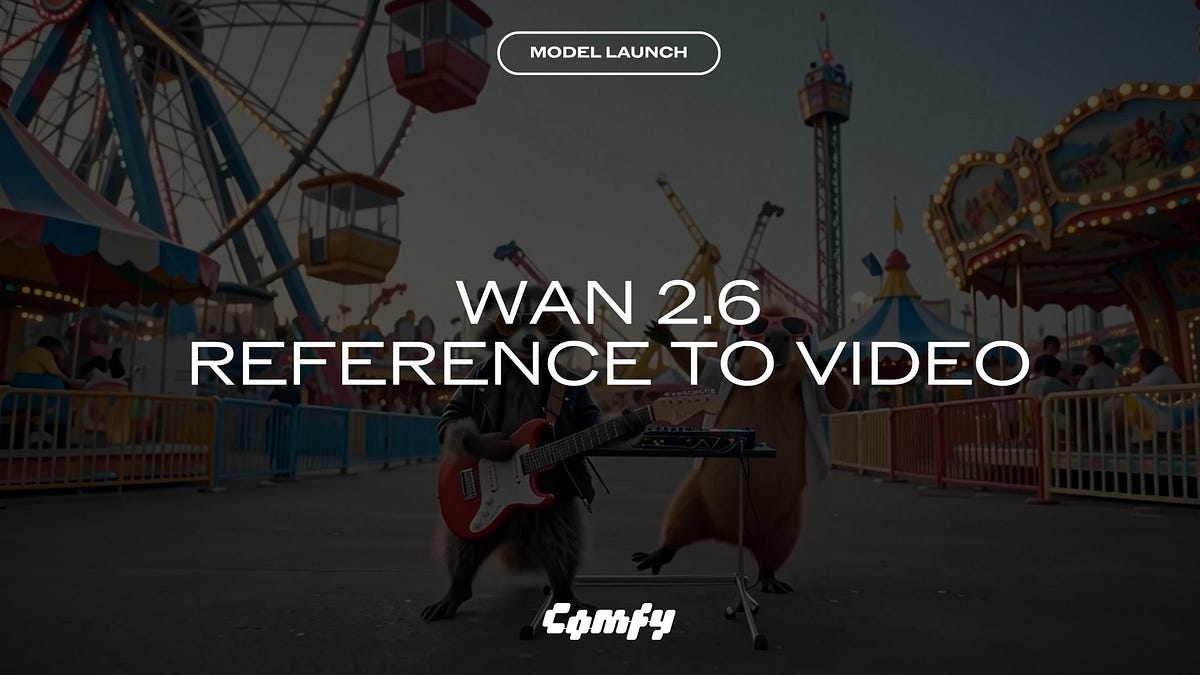
The single biggest workflow unlock this cycle: WAN 2.6 Reference-to-Video is now live in the ComfyUI Workflow Library, letting you feed up to two reference clips plus a text prompt and have the model learn motion, camera behavior, and visual style directly off that footage. Output runs 720p and 1080p in portrait or landscape, so it drops straight into a Shorts/TikTok pipeline. If a competitor's aesthetic is printing views, you can now reverse-engineer the look instead of guessing at prompts.
Worth re-flagging because enforcement is biting: YouTube's renamed inauthentic-content policy targets mass-produced, low-variation templated output, and it applies at the whole-channel level, not per video. Translation for operators — one batch of cookie-cutter AI uploads can demonetize your entire channel, not just the offenders. The escape hatch is documented: original scripting, unique visual presentation, and visible human editorial judgment stay fully monetizable.
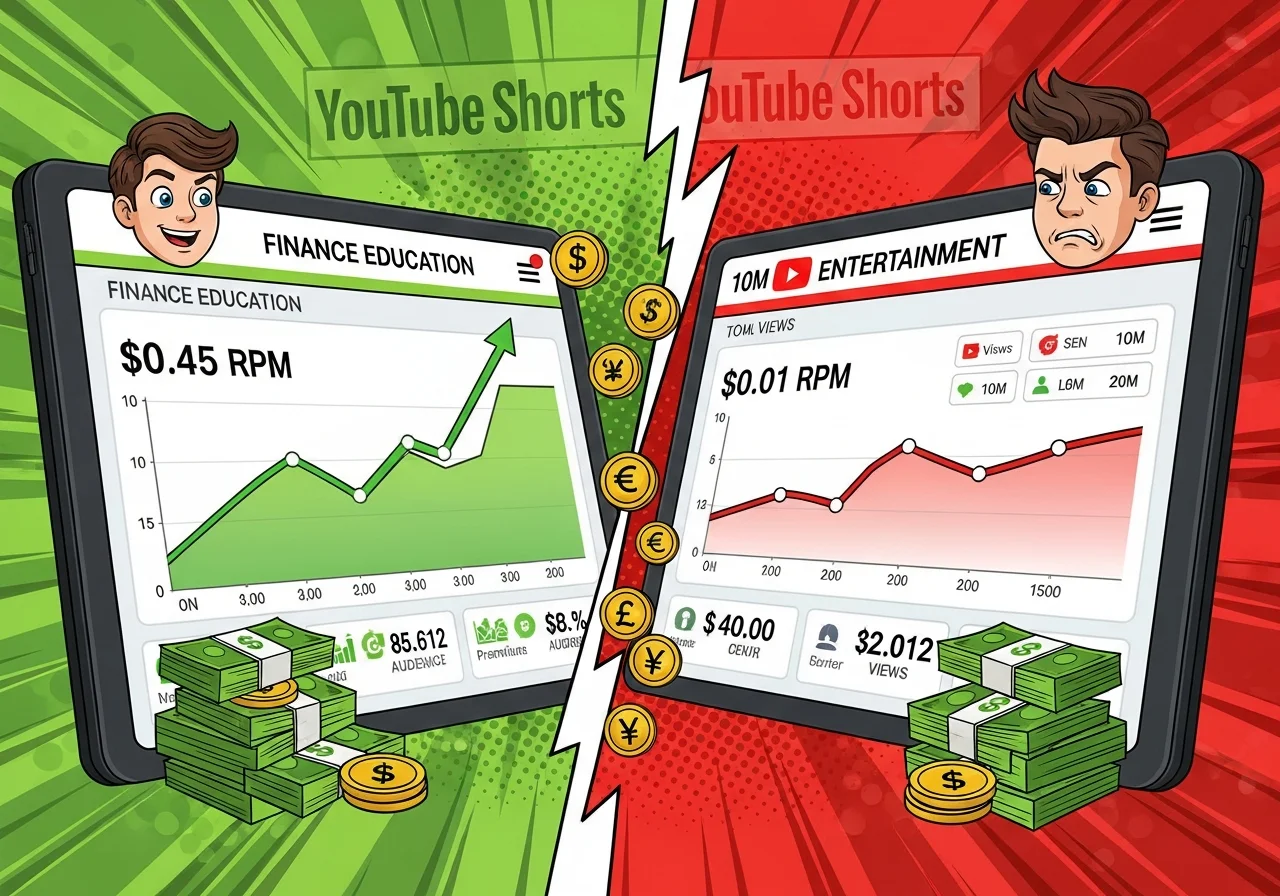
Hard numbers on the CRP: RPM sits at $0.40–$1.50 per thousand qualified views for US audiences, but high-retention niche content (finance, tech, education) stretches to $1.00–$6.00+. The trap is the "qualified view" definition — only authentic For You views past 5 seconds count, so a 50% retention rate literally halves your payable views. Build the hook for the 5-second gate, post over a minute, and clear 100k qualified views in 30 days to stay in the program.
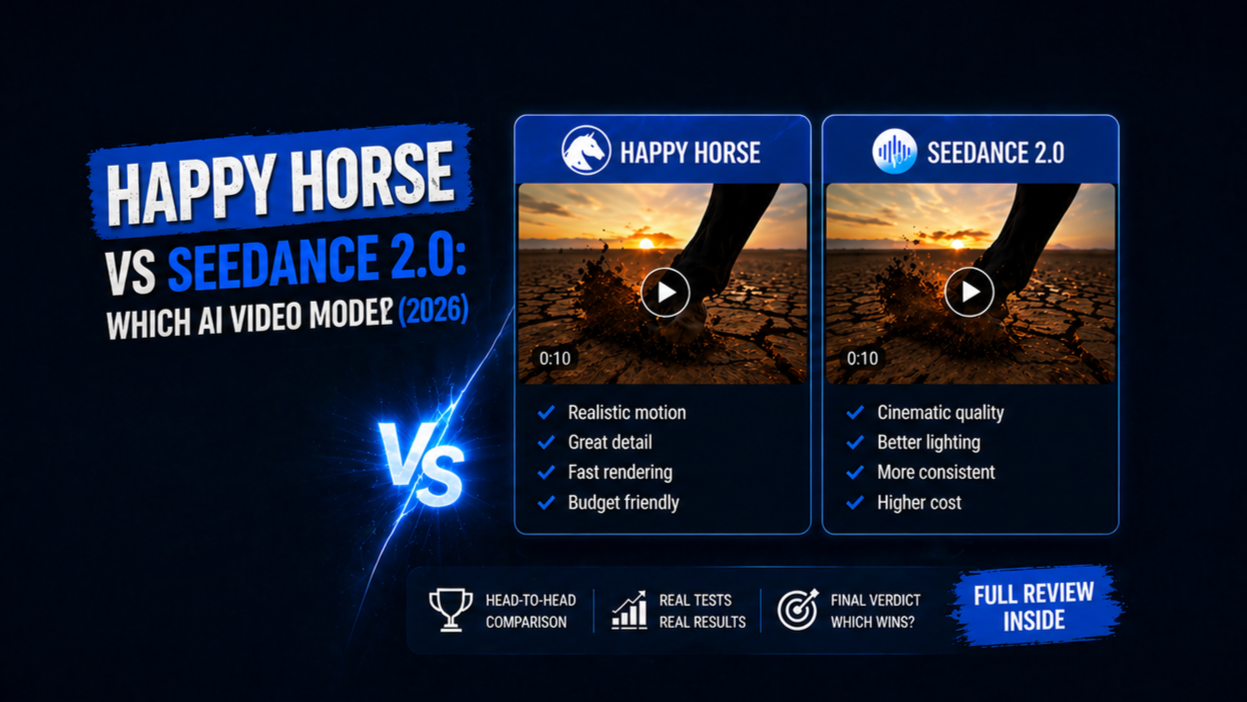
The two models sitting atop Artificial Analysis split cleanly. HappyHorse 1.0 (Alibaba) leads text-to-video-without-audio by 115 Elo and is the fast idea-to-motion option; Seedance 2.0 (ByteDance, released Feb 12) edges the with-audio category by 14 Elo and rewards structured shot plans — ideal for UGC ads, product motion, and any repeatable brief. Run HappyHorse for volume drafts, Seedance when the client wants director-level control and synced audio.
Real creator case studies put hard multiples on the gap: Maldhound logged $0.18 Shorts RPM against $5.50 on long-form, and LordDraconical saw a 17x spread ($0.20 vs $3.33). The kicker — one documented test showed affiliate marketing returning 120x what ad revenue paid on identical content. Stop treating Shorts as the revenue engine; treat it as top-of-funnel feeding affiliate links, products, and a long-form catalog.
Faceless content now drives 38% of all new creator monetization ventures, and AI ASMR keeps over-indexing because close-up, sound-focused loops drive the repeat views and watch-time the algorithms pay for. 86% of viewers call faceless content more authentic, which sidesteps the "show your face" pressure entirely. The cheap stack stays the same — script in Claude or ChatGPT, voice in ElevenLabs, assemble and caption in CapCut.
Even with HappyHorse and Seedance topping raw leaderboards, Veo 3.1 holds the #3 slot and remains the only model generating 48kHz synchronized dialogue rather than just sound effects. Kling 3.0 counters on value with native 4K, 60fps, 15-second clips, and multilingual lip-sync for high-iteration work. And note the migration risk on your shelf — Sora 2 was deprecated April 26 with the API shutting down September 24, so move anything still routing through it.
For the self-hosted crowd, the current community consensus maps cleanly to hardware: AnimateDiff runs short loops on 8GB, HunyuanVideo 1.5 runs on 14GB with offloading, and LTX-2 pushes 4K-with-audio on 24–32GB. WAN 2.2's TI2V-5B variant still fits in ~8GB while the 14B models want 24GB-plus, and FP8 checkpoints stretch tight VRAM further. Match your batch ambitions to the tier before you commit a render farm budget.