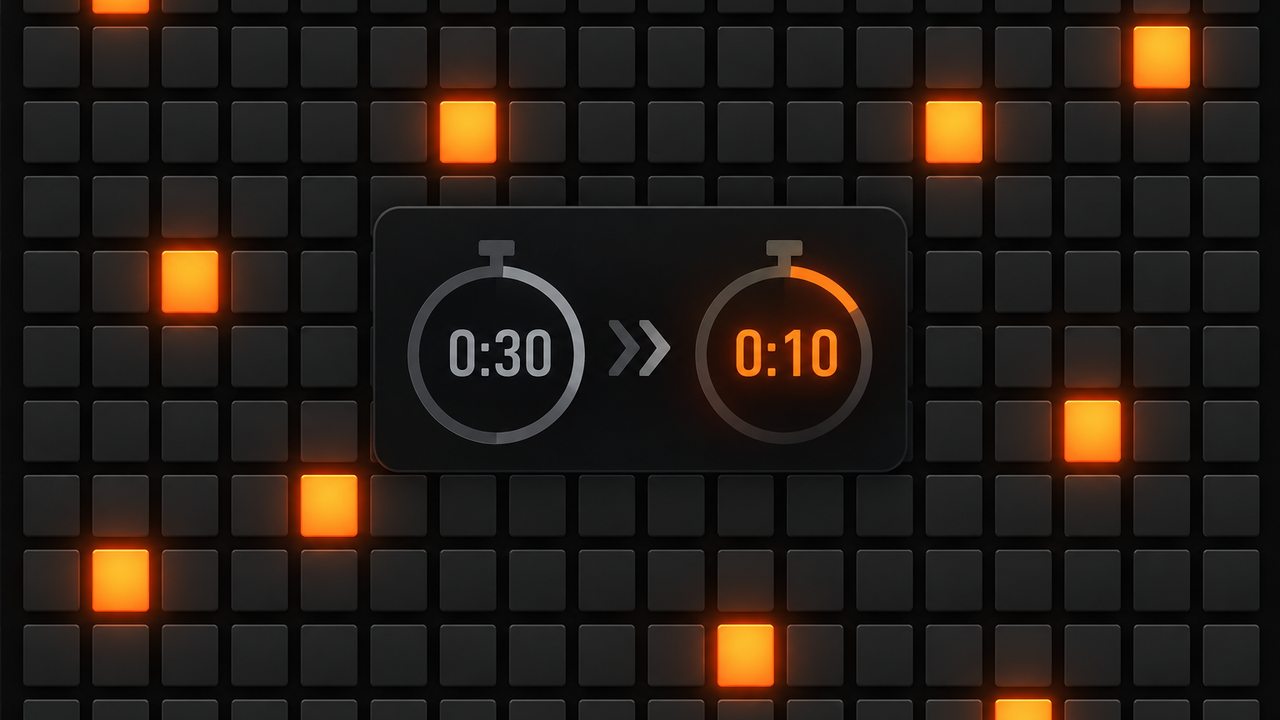
ByteDance, HKU and USTC shipped a learned sparse-attention node that skips roughly 90% of attention tiles via a 275MB distilled predictor. Measured 7.1x on the attention layers and 2.9x end-to-end on an RTX 5070 at 1344x768, 124 frames — and it widens on longer clips. Needs ComfyUI 0.38.0+, works on SM80 and newer NVIDIA plus Apple Silicon through MLX, and it does not touch model weights so your LoRAs and fine-tunes still work.
ByteDance and Texas A&M released a distillation LoRA on October 2 that turns H3 into a 4-step generator of 1344x768 video with joint stereo audio, down from 50 steps — a 12.5x cut in sampling compute. Human preference testing put it at 79.1% over DMD2 and 84.6% over rCM, excluding ties. Kijai already published a rank-reduced ComfyUI conversion, and it stacks with Veda.
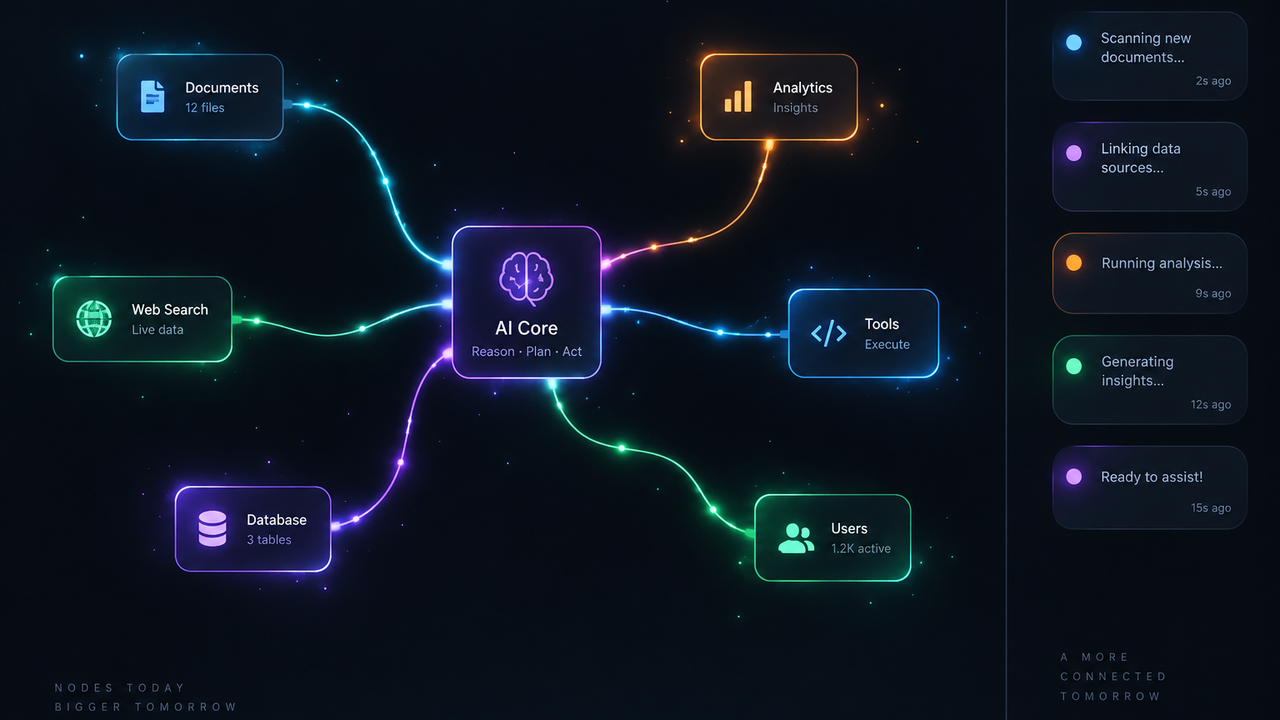
Comfy Org opened Comfy Agent to everyone on Comfy Cloud on October 1. It plans a workflow from a plain description, drops and wires the nodes on the canvas, runs the graph, and debugs itself when a node blows up — with reusable skills and up to five parallel chats. It runs on frontier Anthropic models with the option to swap LLMs; a Comfy Desktop build is promised in a few weeks, and agent-authored custom nodes are on the roadmap.
Kuaishou has Kling 4.0's full release pinned to October 2026 with no exact day announced yet. Single generations run to 30 seconds steerable by up to 10 keyframe images and 15 references, output to 4K with stereo sound, and 10-bit HDR still in flight. Only Kling 4.0 Flash is live today — 20 seconds at 720p, limited early access since September 28, Ultra yearly subscribers only.
The October 2 node pack loads a single .char container holding reference images organized by role (face, body, clothing), a locked description, and an optional trained LoRA. That one identity now rebuilds across MiniMax H3, Krea 2, FLUX.2 dev and FLUX.2 Klein 9B/4B. For anyone running episodic series across a mixed stack, this is the character-drift fix.
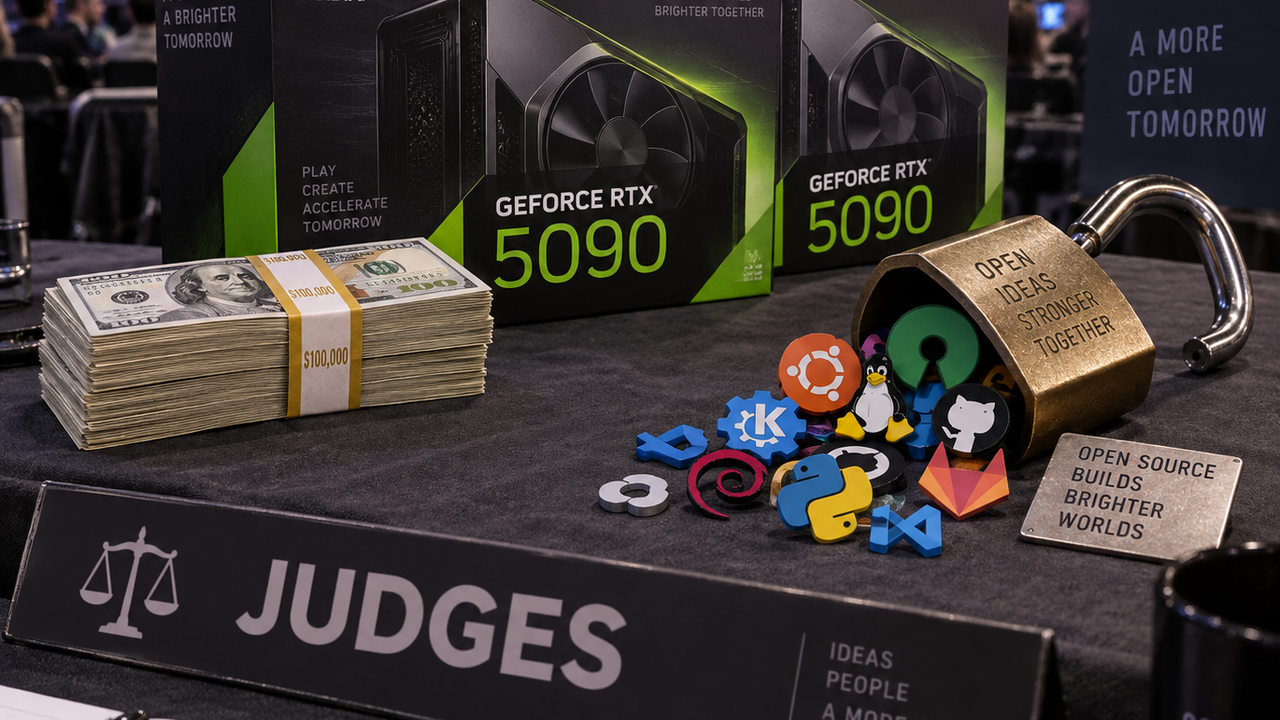
Submissions opened October 5 and close October 19 at 9am PT. The ask is to take subscription-gated features — cinematic camera controls, character consistency, relighting, face swap — and ship them as open-source workflows. Grand prize is $10,000; Most Practical, Most Entertaining, and Best OSS-only each take an RTX 5090, plus $2,000 in API credits for the VFX bonus. Must run on Comfy Developer Platform, Comfy Cloud, or locally via the Comfy SDK, with a demo video and an open license. There's an SF community event October 13.
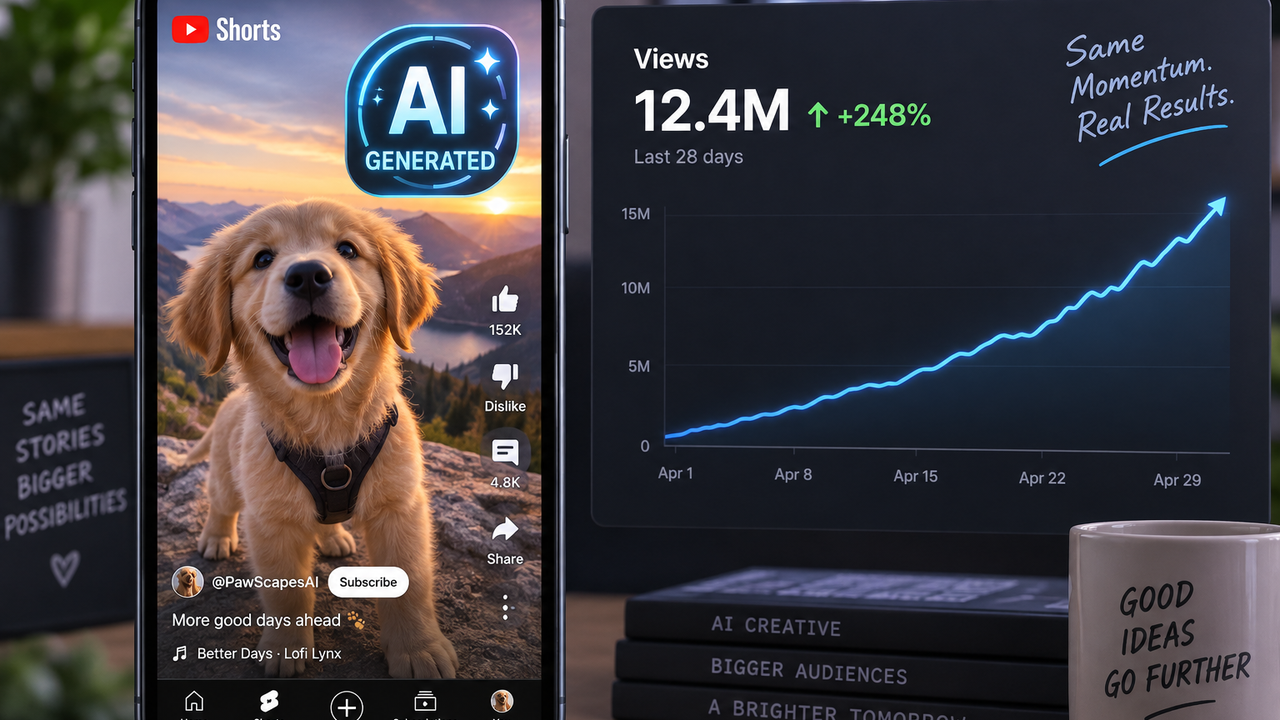
YouTube's internal detection applies the AI label when it spots significant photorealistic generation, whether or not you disclose. On Shorts the badge sits as an overlay directly on the video; on long-form it's beneath the player. YouTube has stated flatly that the label does not affect recommendations, reach, or monetization eligibility — and anything made with the Gemini Omni remix or avatar tools in Shorts carries SynthID and C2PA automatically.
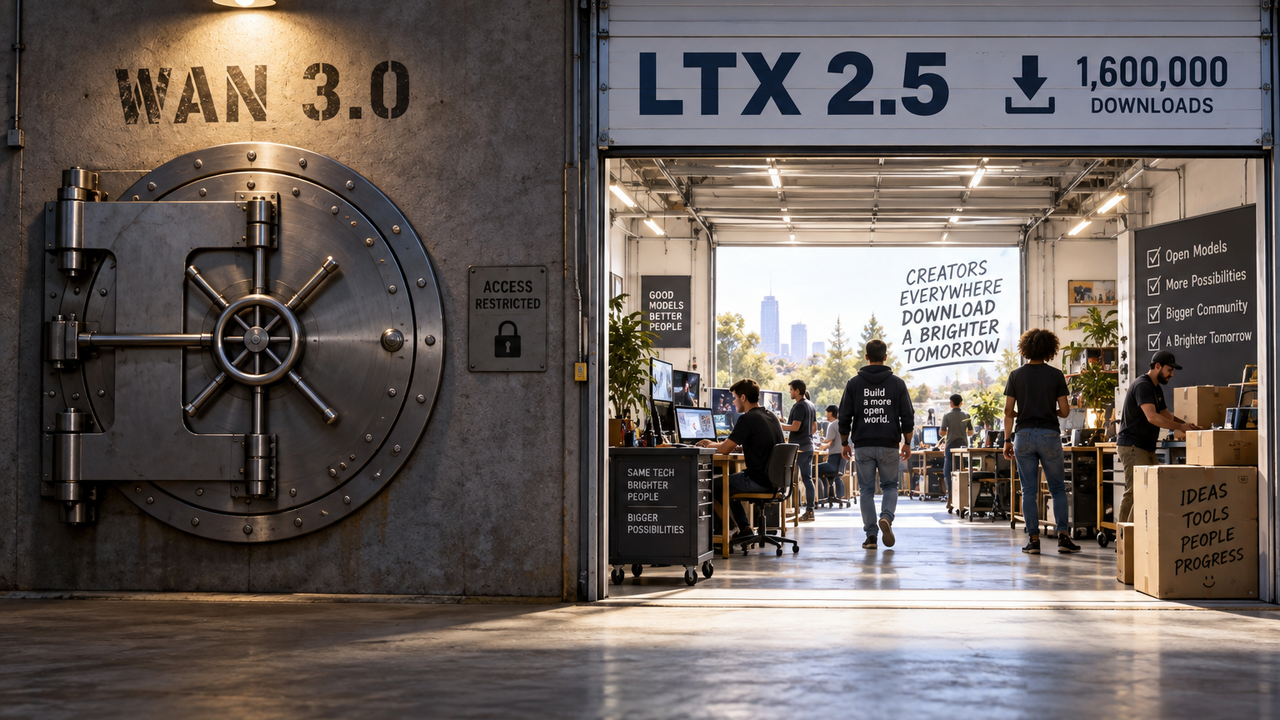
Despite topping leaderboards and shipping 30-second single-pass output through three ComfyUI API nodes, Wan 3.0 has no Hugging Face checkpoint, no GitHub repo, and Alibaba's own model page says "Open Source: No." Lightricks' LTX-2.5 is the practical local alternative: 22B params, synchronized video and audio in one model, 4K HDR, day-one ComfyUI support, free commercial use under $10M ARR. It's now 4th overall by likes on Hugging Face with 1.6 million-plus downloads.
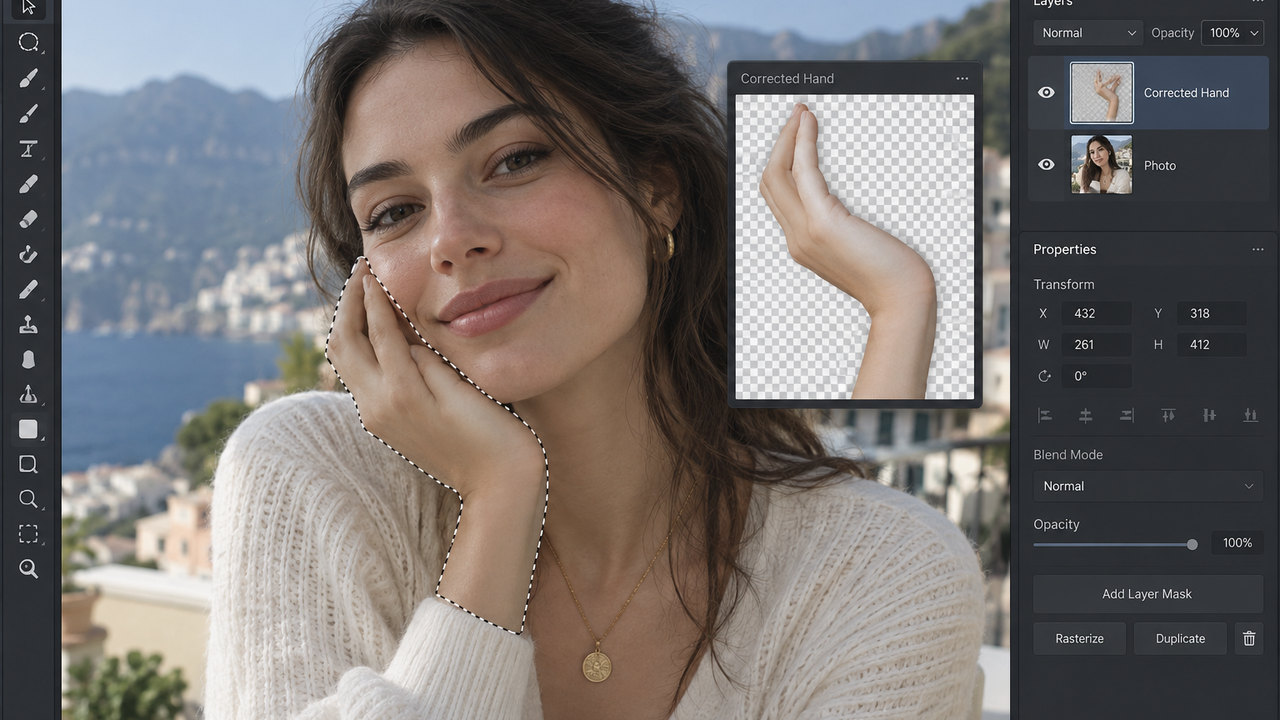
Released October 3, Scumble is an open-source desktop app for region-level fixes — select an area, prompt the change, get a colour-matched layer back. It talks to a local ComfyUI instance or an API, which means retouch passes stop requiring a full graph rebuild every time a hand or a logo goes sideways.
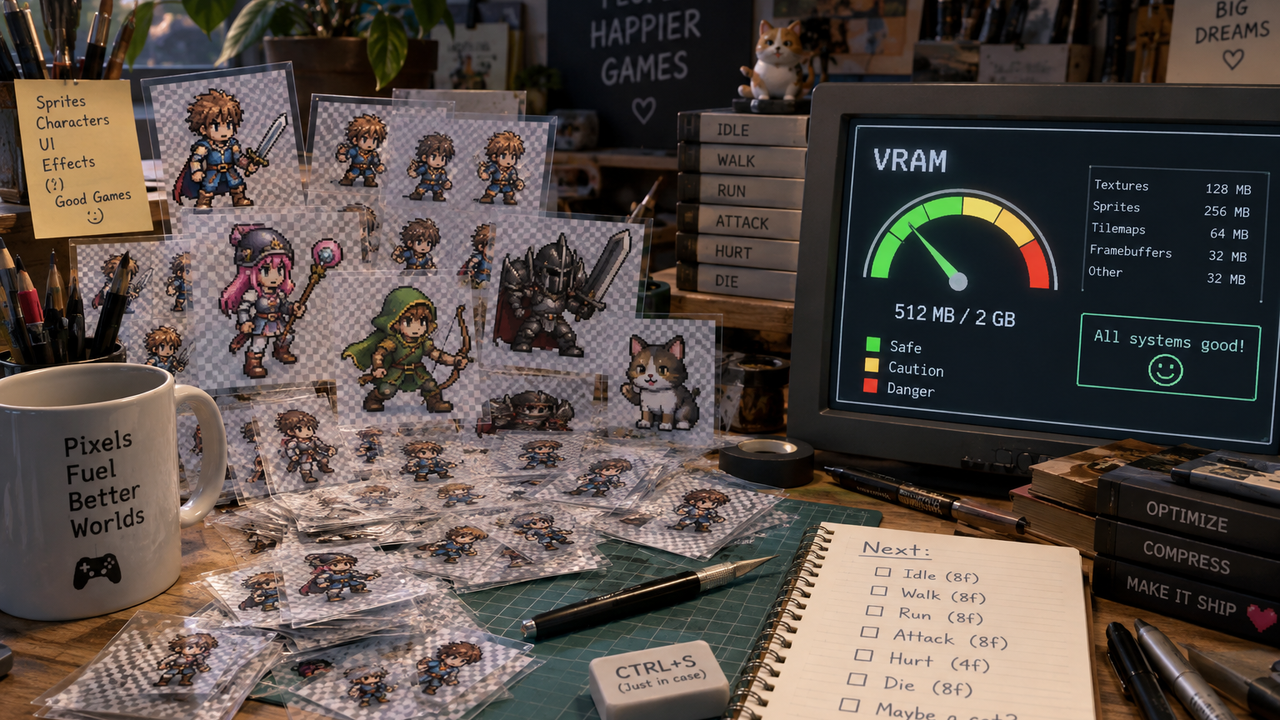
VNCCS 3.2 pulled Qwen Image 2.1 and MiniMax H3 into its ComfyUI character pipeline, adding transparent sprites, a rebuilt Character Creator and a 358-style library. Same day, Fizgig v7 added Anima and SDXL training with full fine-tuning on limited-VRAM machines and a modular driver system for community extensions. Related signal: the Qwen-Image-2.1 GGUF quant has cleared 1.3 million downloads for local ComfyUI use.