ByteDance launched Seedance 2.5 publicly on July 8, delivering native 30-second 4K clips in a single pass — no segment stitching, no seams. The architecture is a unified joint audio-video system that co-processes visual and audio signals in the same latent space, paired with up to 50 multimodal reference inputs and region-level editing that isolates changes without touching the rest of your clip. Independent benchmarks don't exist yet, but the spec sheet is the strongest native-duration offering from any lab.
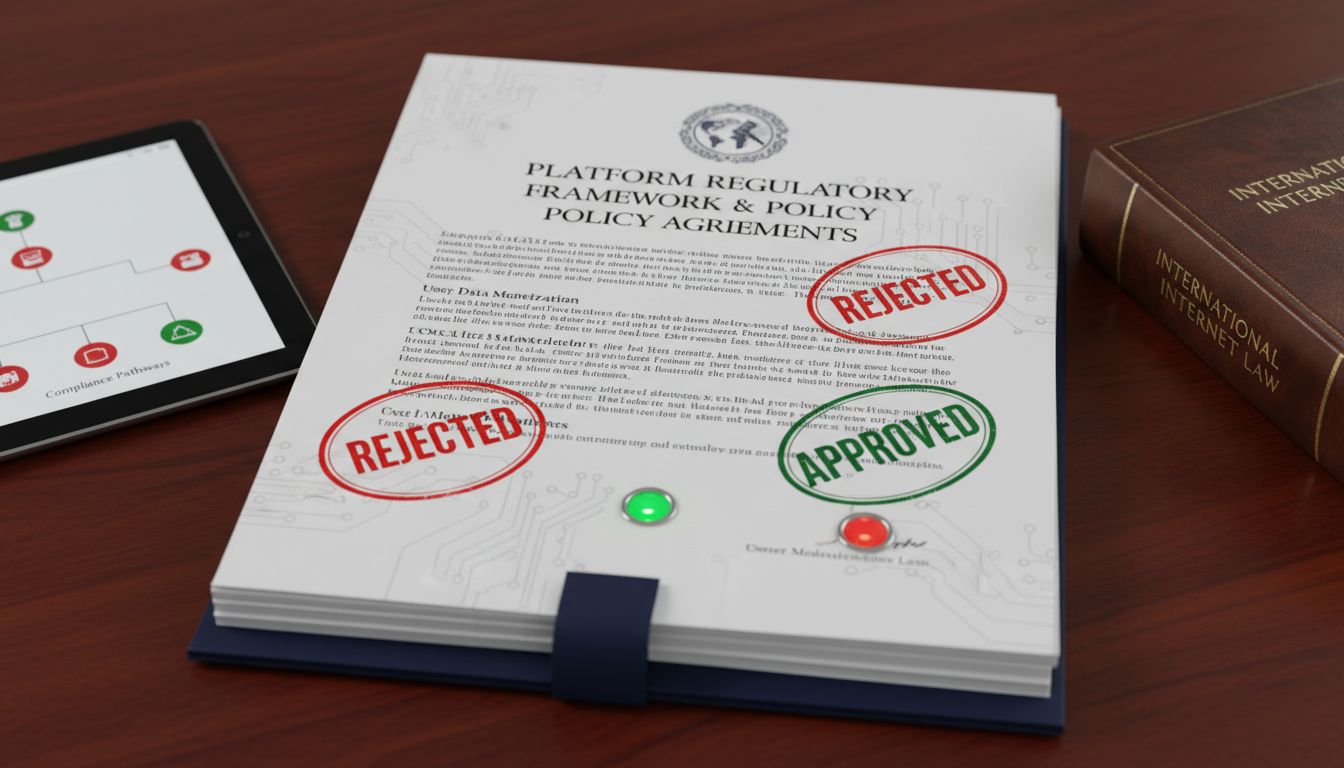
TikTok Shop now mandates real-time human verbal communication for all shopping livestreams, banning AI-generated voices, pre-recorded audio, radio-style tracks, and static-image content. Still-frame content cannot cover more than 50% of the screen, and violations trigger commission restrictions and account bans through the Creator Health Rating system. The platform is using C2PA Content Credentials to auto-detect synthetic media even when creators don't self-disclose.
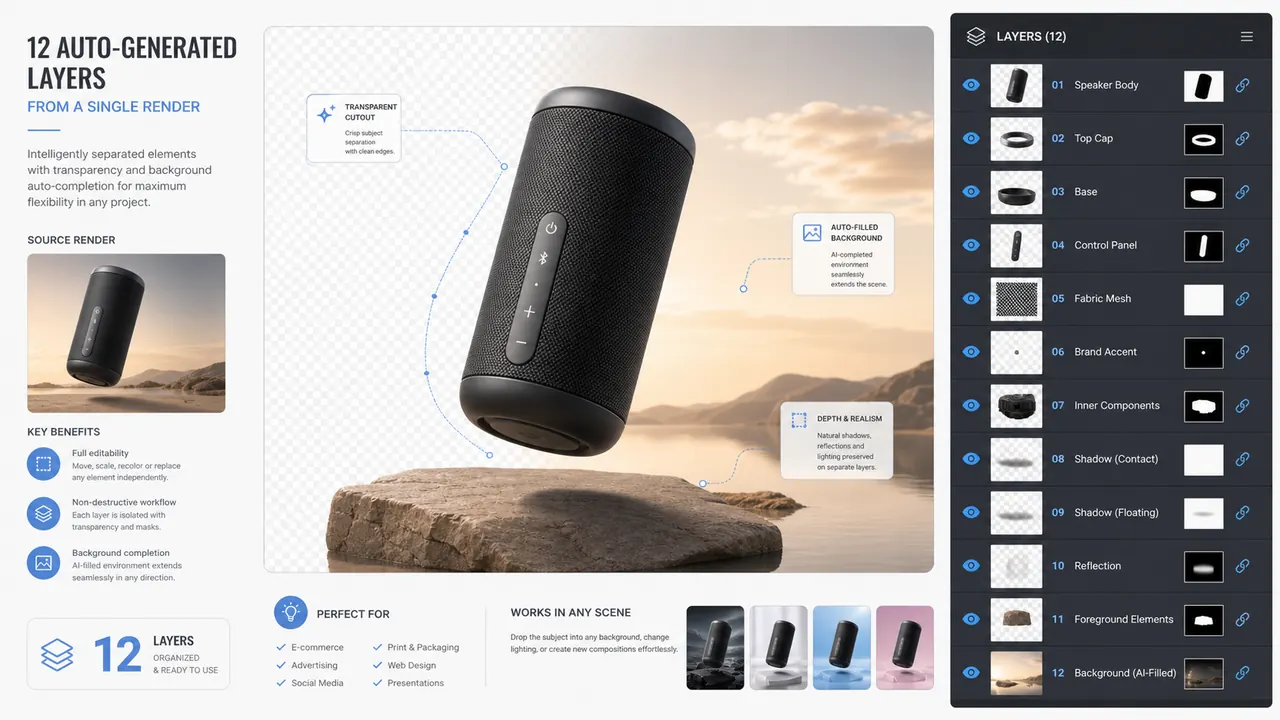
Launched July 8 on Dreamina and fal.ai, Seedream 5.0 Pro outputs a single render as 10+ transparent-PNG layers with auto-filled backgrounds — edit directly in Figma or Photoshop with no manual masking required. It handles dense text-and-graphics layouts with in-image text rendering across roughly 14 languages including Arabic, Chinese, Korean, and Japanese, with region-specific editing via point selection and sketch guidance that leaves the rest of the image untouched.
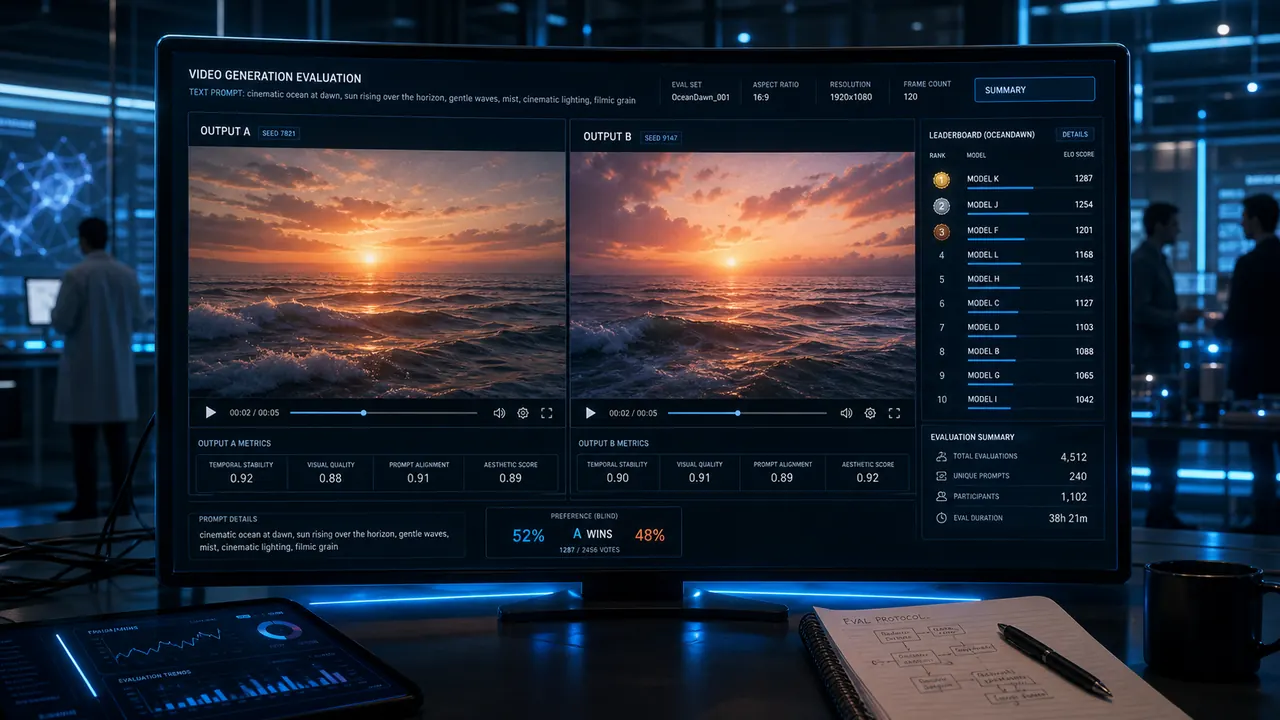
Meta Superintelligence Labs dropped Muse Image and a Muse Video preview on July 7, marking Meta's first in-house media generation models. Muse Video ranks third in human-preference Elo for text-to-video, generates native audio alongside visuals, and is built on the same pretraining base as Muse Image. It's preview-only with no firm public date, but current limitations in audio-video sync and fast-motion physics are the only gaps keeping it from the top tier right now.
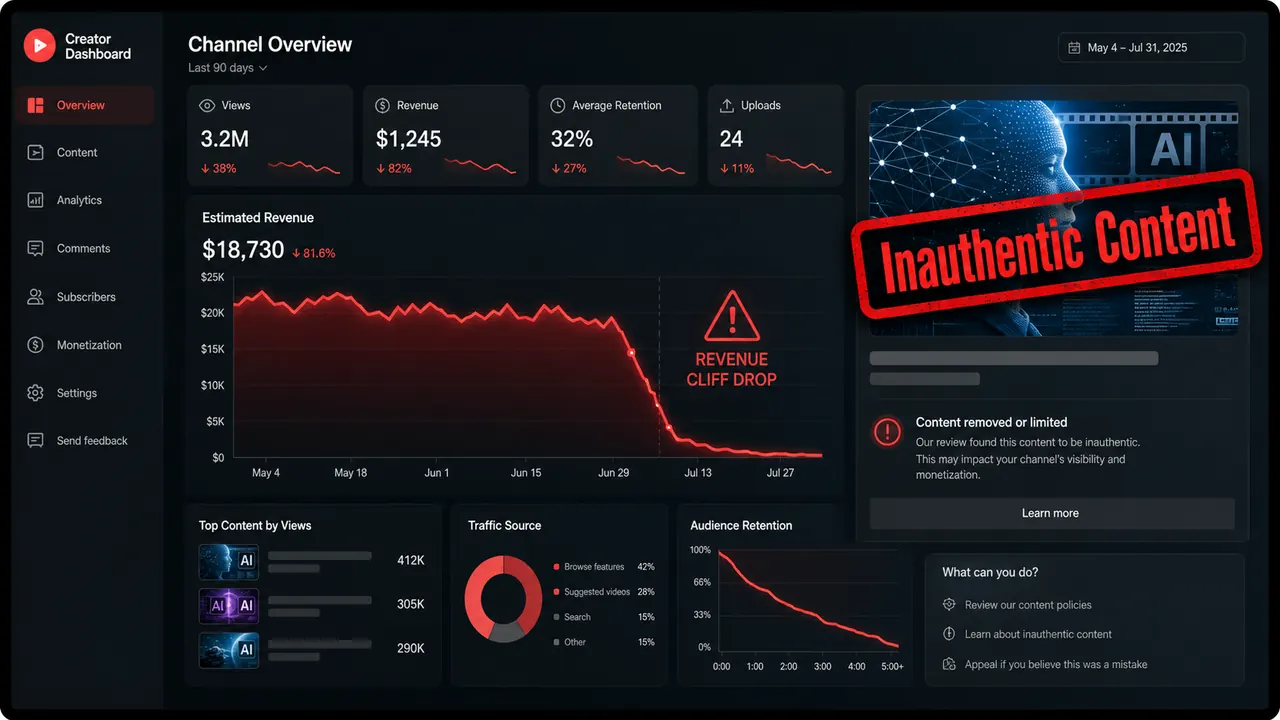
YouTube's monetization enforcement — updated in mid-2025 and now actively applied — is demonetizing mass-produced, repetitive AI content that lacks original human insight. Shorts RPM already runs $0.01–$0.15 (versus $3–$20 for long-form in the same niche), and inauthentic AI content earns nothing at all. Channels built on volume without editorial differentiation are the primary target; creators need a genuine POV layer, not just higher clip output.
As of this morning, China's Interim Measures for the Administration of AI Anthropomorphic Interactive Services are live, forcing ByteDance's Doubao and Alibaba's Qwen to disable all AI agent creation features. Millions of user-built agents are being permanently deleted — Qwen with no migration path offered. The law's requirement for anti-addiction systems and instant-exit mechanisms is architecturally incompatible with persistent-memory agents, and may ripple into ByteDance's creative tools including CapCut and Dreamina.
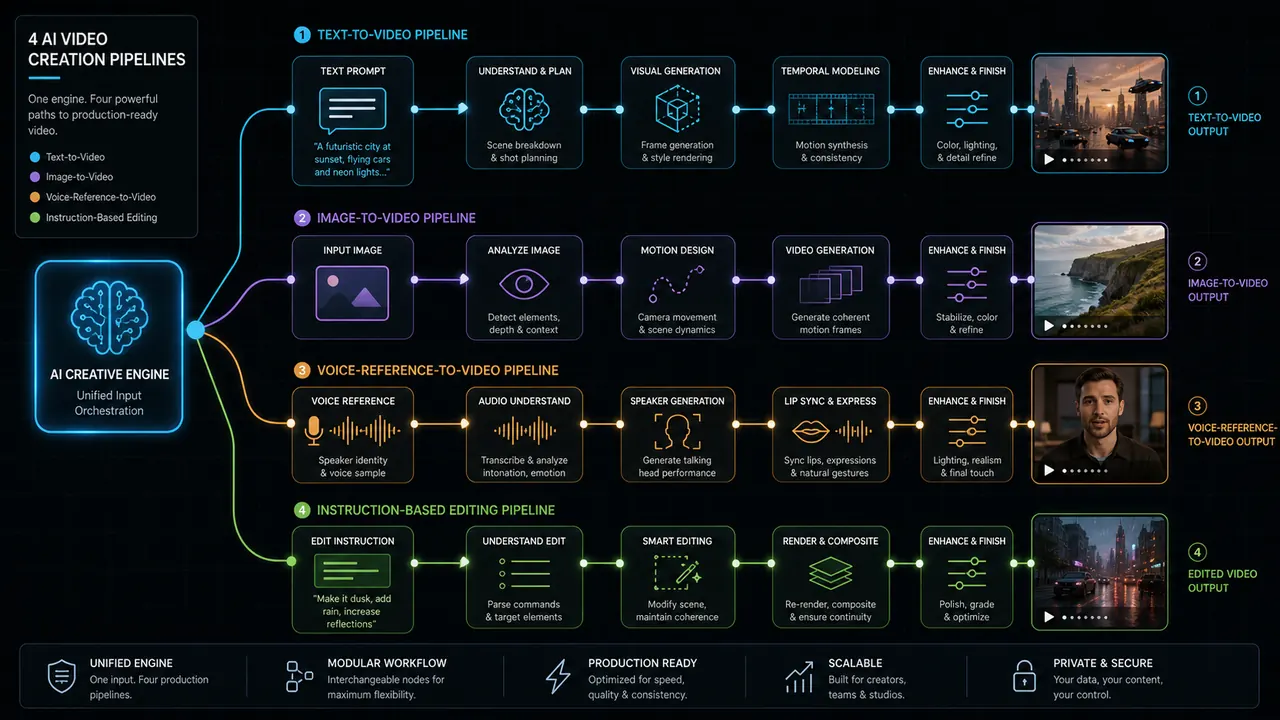
Released in early April under Apache 2.0, Wan 2.7 remains the strongest open-weight video toolkit with four models covering text-to-video, image-to-video, reference-to-video with voice cloning, and instruction-based video editing, with API access from $0.10 per second. Start-and-end-frame bracketing gives precise narrative control, and ComfyUI workflows are widely available on Civitai and Hugging Face. Nothing else in the open-source ecosystem matches this breadth at this price point.
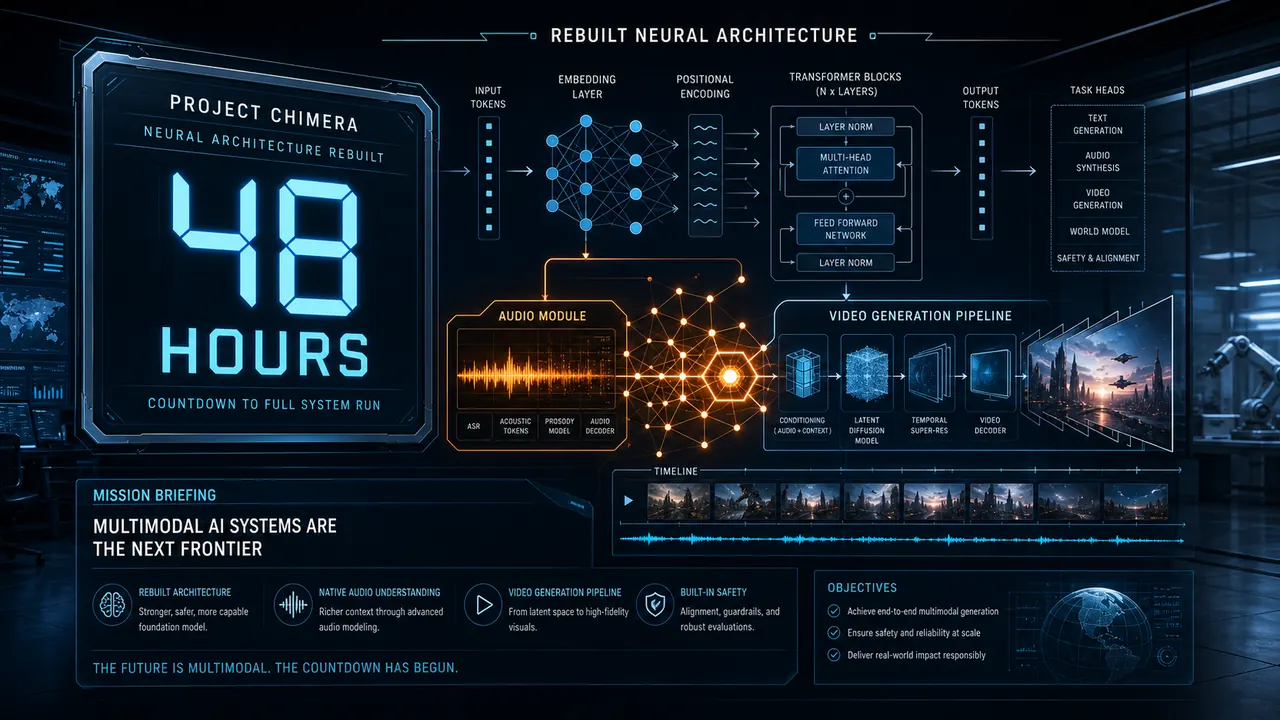
Google is aiming for Thursday July 17 general availability of Gemini 3.5 Pro after scrapping the original architecture over failures in recursive tool-calling and SVG generation. The rebuilt model is rumored to carry a 2 million token context window and Fable integration for sound effects and music — every spec remains unconfirmed until Google publishes official docs. Gemini powers Veo, so whatever lands Thursday will likely cascade into the video stack within weeks.