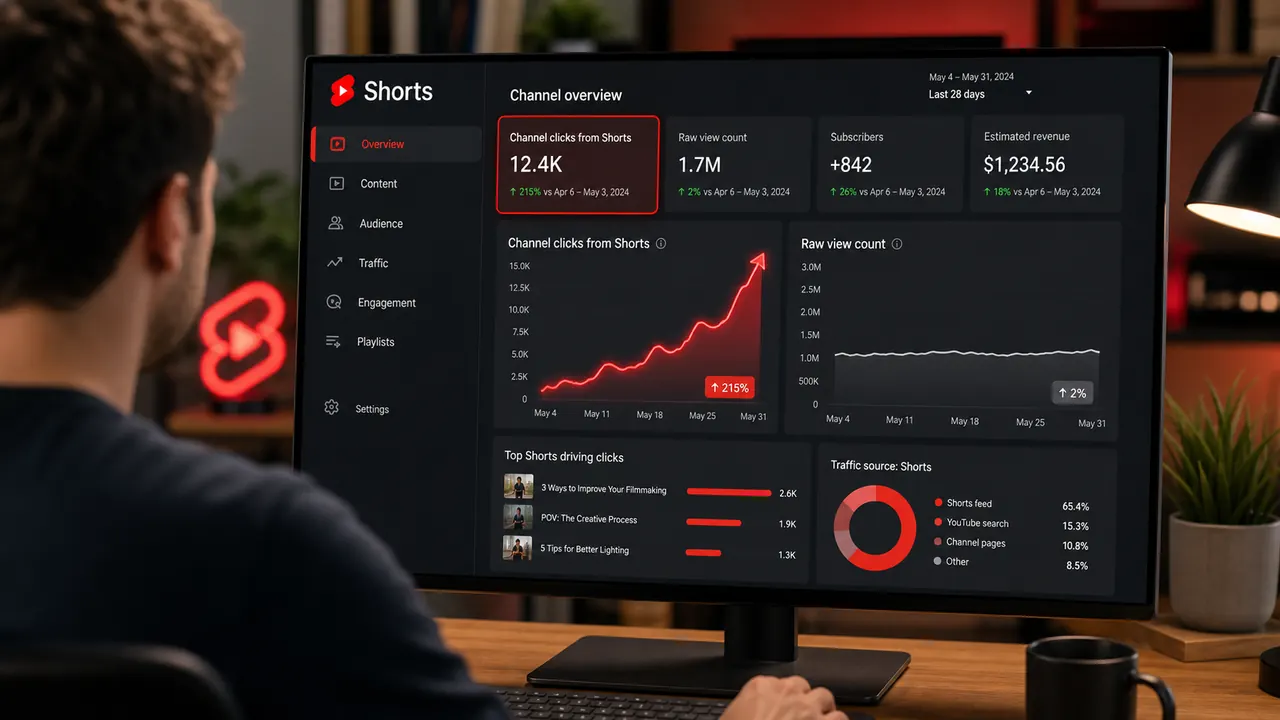
The YouTube Shorts algorithm is now prioritizing a bridge metric — viewers tapping your channel name or clicking through to your channel page — over raw view count and even completion rate. This channel-click signal tells the algorithm your Short is generating real curiosity, not just passive scroll behavior. Retool hooks and CTAs around driving that click, not the watch-through.
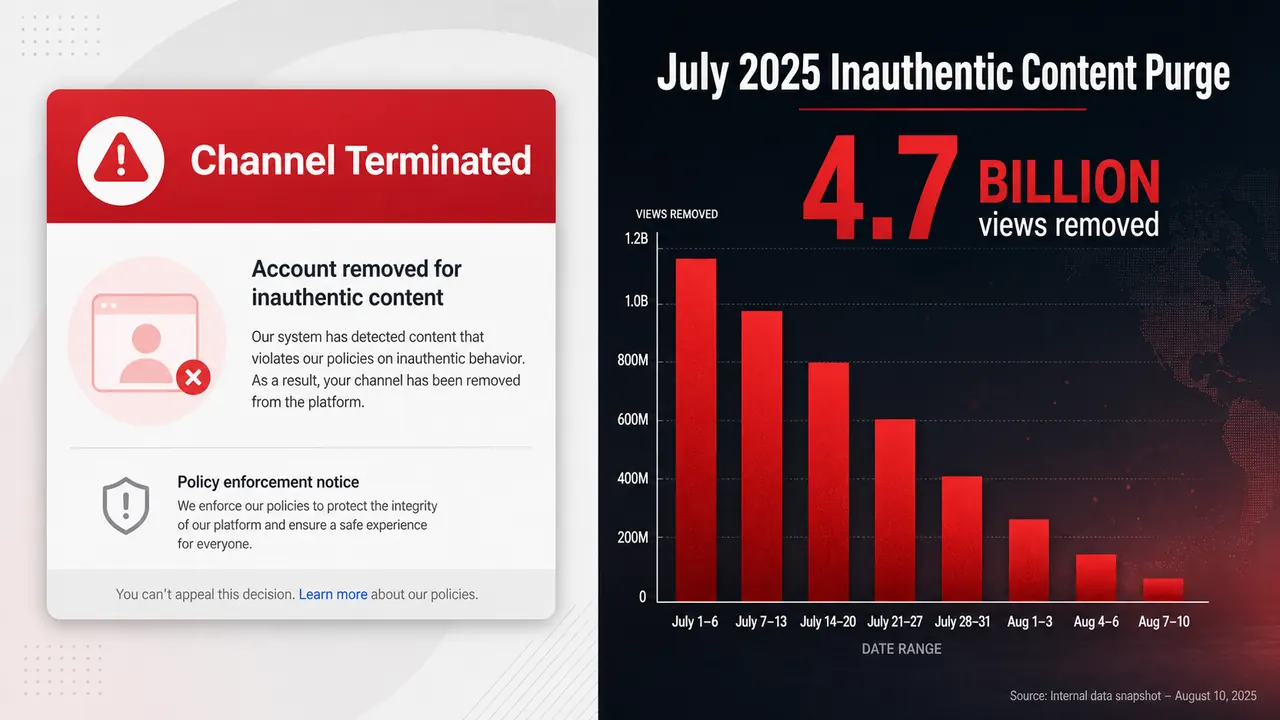
YouTube's July 2025 "inauthentic content" policy rename was not cosmetic — sixteen channels running 50-plus near-identical videos per week got nuked, wiping an estimated $10M in annual ad revenue. The explicit targets: template-based AI uploads with no editorial judgment, zero original commentary, no meaningful variation. Channels using AI as a production accelerator with genuine creative direction survived intact.
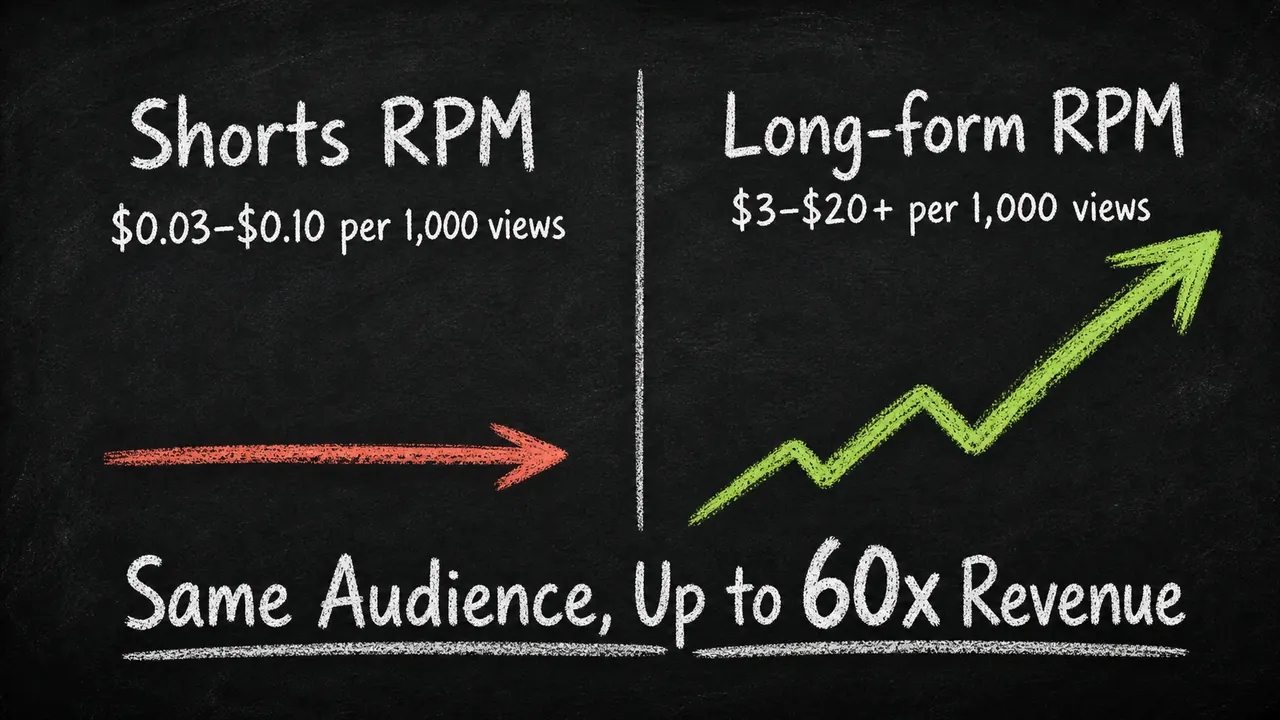
YouTube Shorts is paying $0.03 to $0.10 per thousand views in early 2026. Hitting $5K/month from Shorts ad revenue alone requires 40–100 million monthly views, a threshold only about 3% of channels clear. The actual play: Shorts as top-of-funnel to long-form, where RPM runs $3 to $20-plus — a 10-to-60x multiplier on the same audience.
TikTok's Creator Rewards program explicitly disqualifies pure AI-generated content but leaves the door open for AI-assisted content with documented human creative input. The qualifying threshold is fuzzy: original hooks, editorial framing, voiceover direction, and narration all count. The fuzziness is a temporary window — document your creative process now before enforcement tightens.
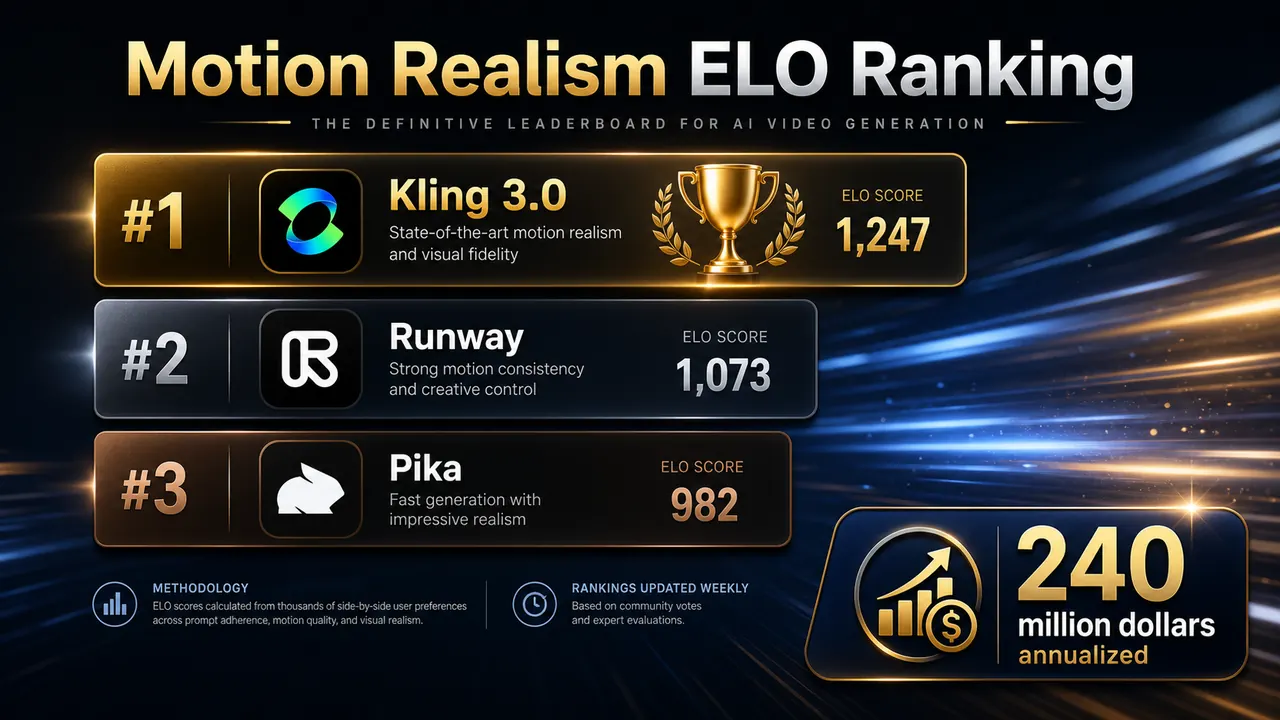
Kling 3.0 holds the top ELO score for motion realism on industry benchmarks as of April 2026, beating Runway and Pika on complex human movement. Kuaishou hit $240M annualized revenue within 19 months of launch. For physics effects specifically — fur, water, cloth — Hailuo 2.3 leads WorldModelBench with roughly 30-second render times.
Wan 2.2 now has official native ComfyUI workflows covering T2V 14B, I2V 14B, TI2V-5B, and first-last-frame generation — all documented at docs.comfy.org. GGUF-optimized builds are available for operators running self-hosted setups on RunPod or local hardware to cut VRAM requirements. Cleanest open-source video pipeline available right now.
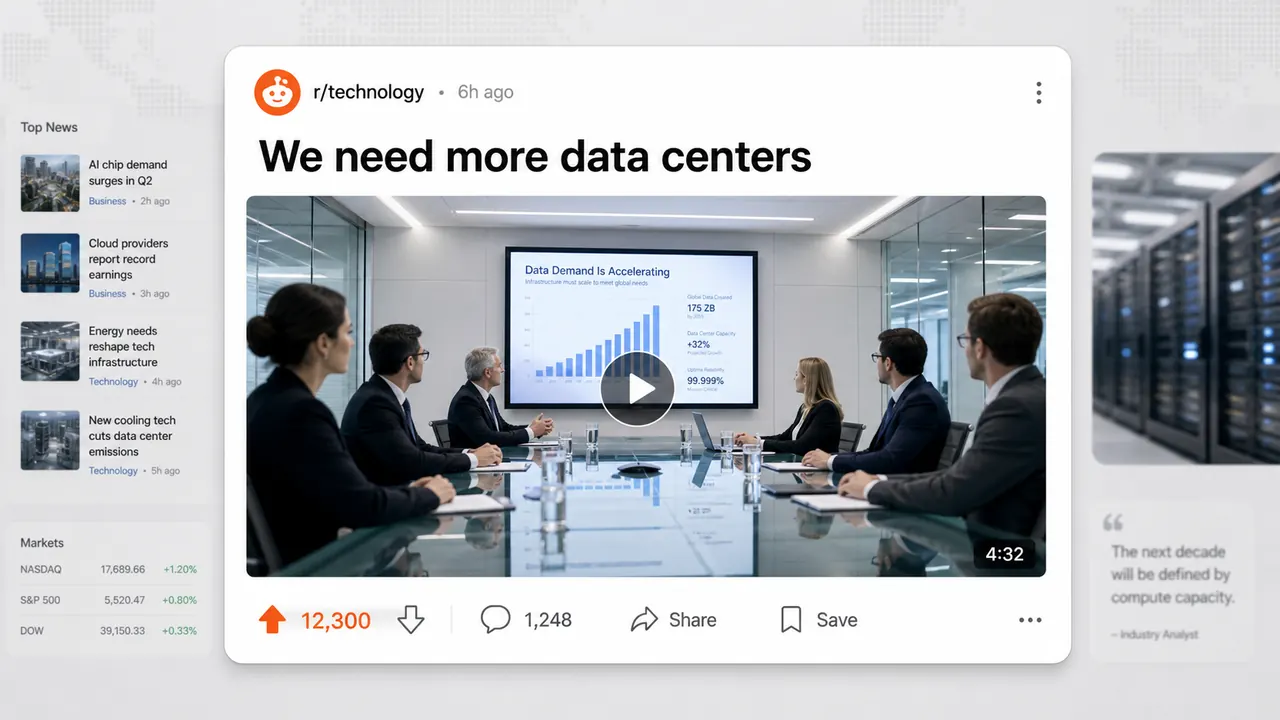
The highest-upvoted AI video post on r/aivideo right now is a deadpan tech-industry comedy short titled "We need more data centers," generated with ByteDance's Seedance 2.0. The format is worth clocking: short runtime, dry humor, clean visuals, no voiceover, minimal production overhead. That upvote count signals Seedance is drawing serious community attention alongside Kling as a tool worth benchmarking.
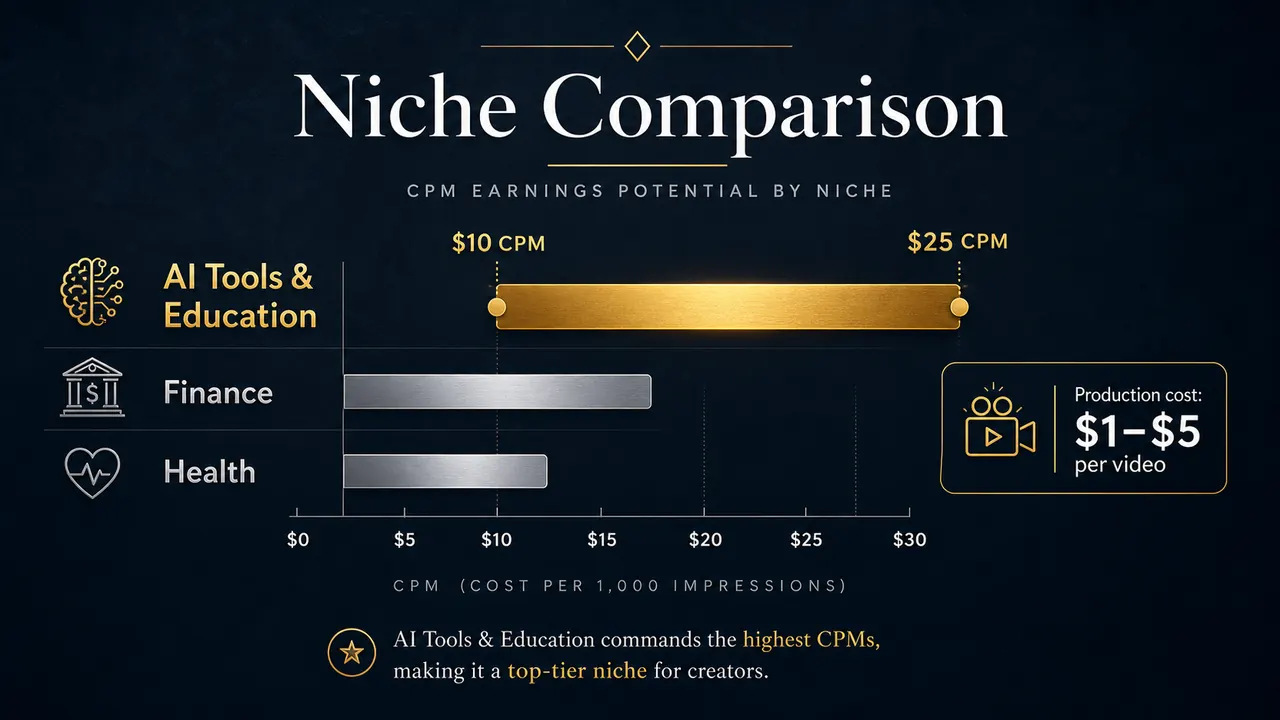
Faceless AI-assisted channels in the AI tools and education explanation space are consistently returning $10 to $25 CPM — the highest bracket available without brand deals. Finance, health, and technology storytelling cluster in the same tier. Production cost in these niches runs $1 to $5 per video on current AI stacks. The margin math is hard to beat anywhere else in faceless right now.