As of October 1, the Shorts recommendation system cuts reach for channels that mostly re-upload or lightly repackage other people's clips. YouTube's framing is aimed at reaction/compilation farms, but AI creators who batch-generate near-identical variants on a single template are in the same blast radius. Fix is the same either way: raise per-clip variance and add real editorial voice before the feed decides for you.
Shipped October 3, the node overrides H3's attention with a sparse predictor that skips roughly 90 percent of attention tiles, claiming up to 3x faster video generation. It's a drop-in override on existing H3 graphs, so you keep your workflow and just get your render queue back. Free throughput is the cheapest win on this list.
Out October 2 from ByteDance and Texas A&M, DMAD is a rank-128 LoRA that cuts MiniMax H3 down to four steps for joint audio-plus-video generation. Four steps on a 33B omni model with native stereo audio is a step-count collapse, not an incremental speedup. Stack it with Veda sparse attention and local H3 goes from "overnight batch" to "iterate while you're still in the mood."
Kuaishou announced 4.0 on September 27 and it's in Ultra subscribers' hands now ahead of the broad October rollout: 3 to 30 second clips at up to 4K 10-bit HDR, up to 10 keyframes, and up to 15 references spanning images, video clips, saved elements, and voice. Kling 4.0 Flash has been in early access since September 28 doing 20 seconds in a single pass at up to 720p. Ten keyframes is the headline for anyone doing shot-planned narrative work.
Meta renamed the May "AI creator" tag to "AI-generated profile" and reversed its earlier position — unlabeled accounts built around an AI persona get flagged non-recommendable, which kills Reels distribution and the monetization that rides on it. Critically, this targets synthetic *personas*, not AI as a production tool: if you're on camera as yourself, no label required.
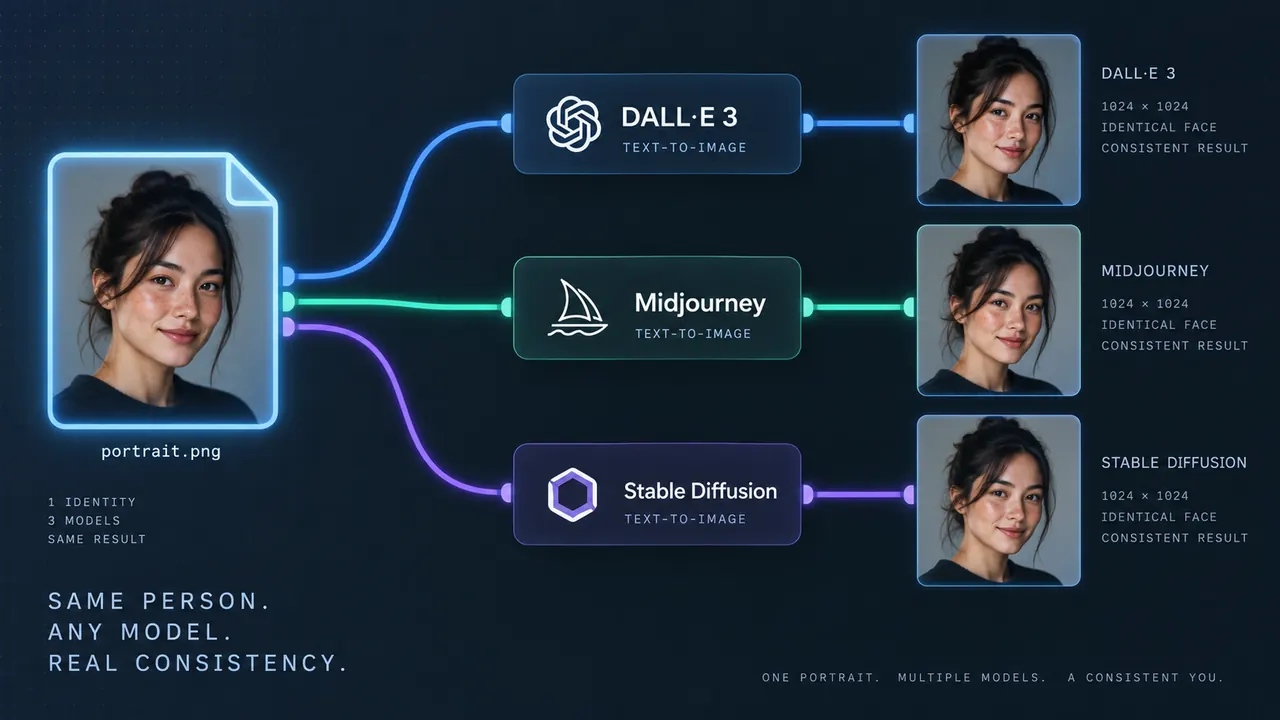
Released October 2, the node pack loads a portable .char file and reuses a single character identity across MiniMax H3, FLUX.2, and Krea 2 workflows. That's the first credible answer to the model-hopping identity drift problem — generate stills in FLUX.2, animate in H3, and the face survives the trip. Episodic creators should test this before building another per-model LoRA.
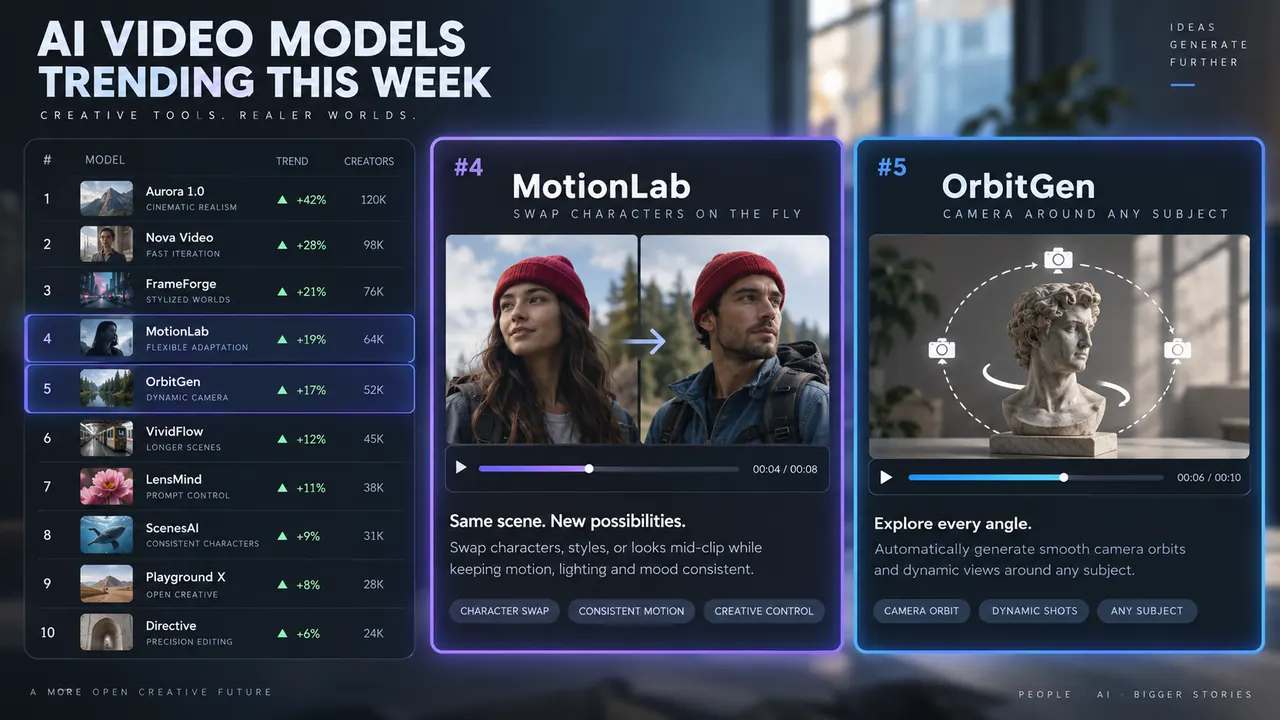
Two adapters are trending hard this week: akatz-ai's H3 Character-Swap LoRA for consistent subject replacement across long clips, and pablodawson's H3 360-Orbit LoRA doing first-last-frame-guided orbit shots from a single image. For scale context, Lightricks' LTX-2.5 is sitting past 1.6 million downloads and top-five by likes. The open-weights lane is consolidating around H3 and LTX, with everything else fragmenting.
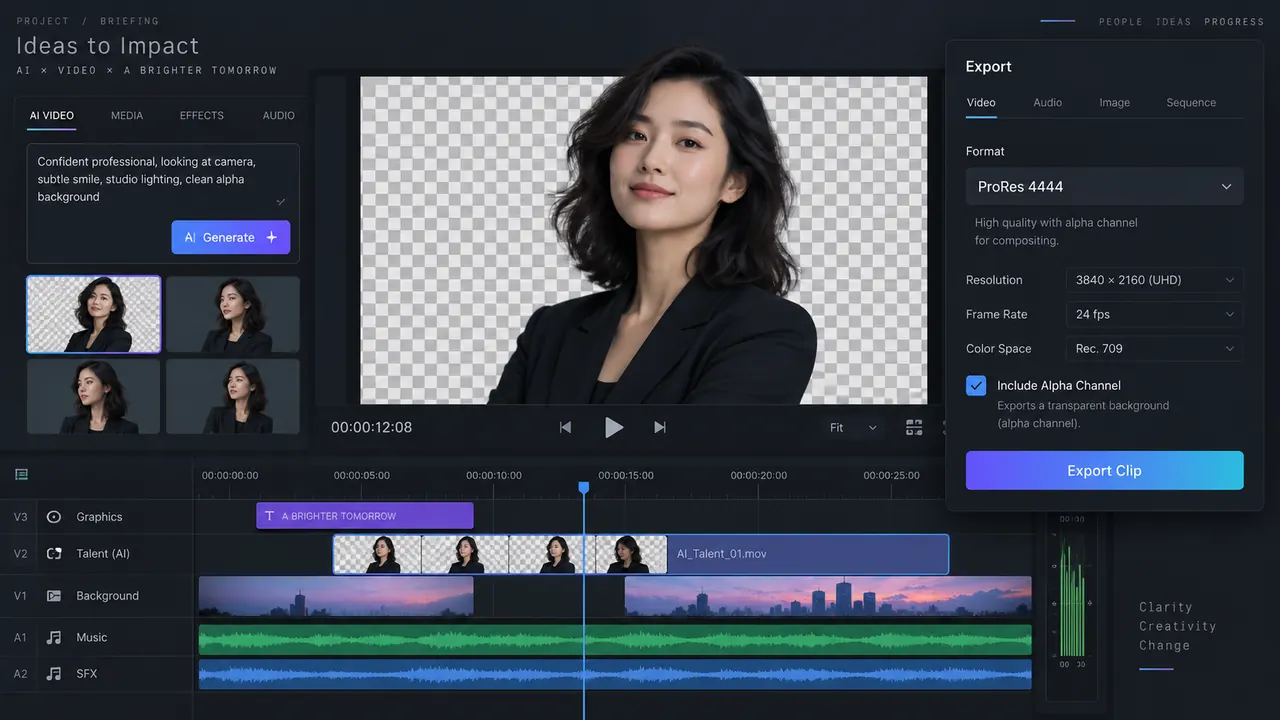
Runway is now callable directly inside Premiere and After Effects, and Tool Mode plus Edit Studio will export Gen-4.5 and Aleph 2 generations as ProRes 4444 with PCM audio or a PNG sequence instead of a compressed MP4. Mezzanine-codec output is the unglamorous unlock — no more grading and keying against baked-in H.264 mush. Ideogram 4.5 also landed in Runway MCP.
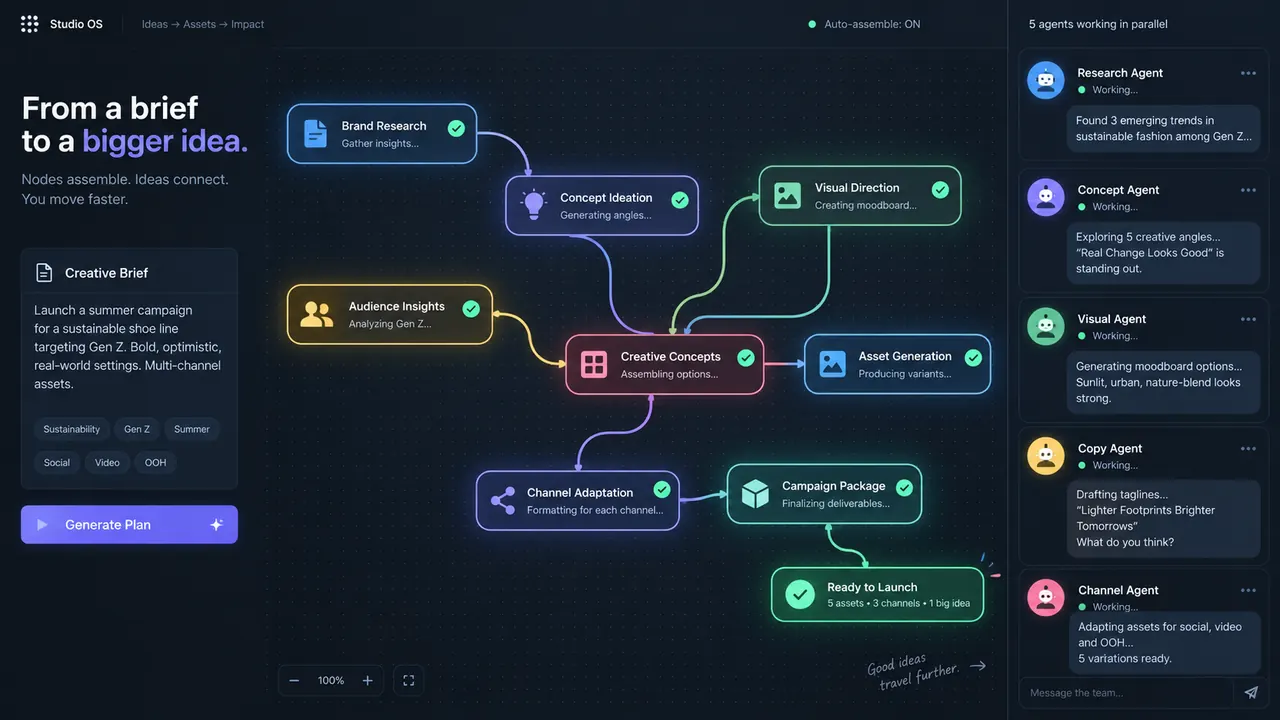
Announced October 1 on Comfy Cloud, Comfy Agent plans, builds, runs, and debugs workflows directly on the canvas, with reusable skills and up to five parallel chats. Treat it as a scaffolding tool, not an oracle; the value is in getting from blank canvas to a working graph without hunting node names for an hour.
Also October 1 — the Comfy Dev Platform Challenge is paying a $10,000 grand prize plus RTX 5090 awards to developers who rebuild subscription-gated features as open source. Expect a wave of free equivalents to paid node packs over the next several weeks, which is worth factoring in before you renew anything.