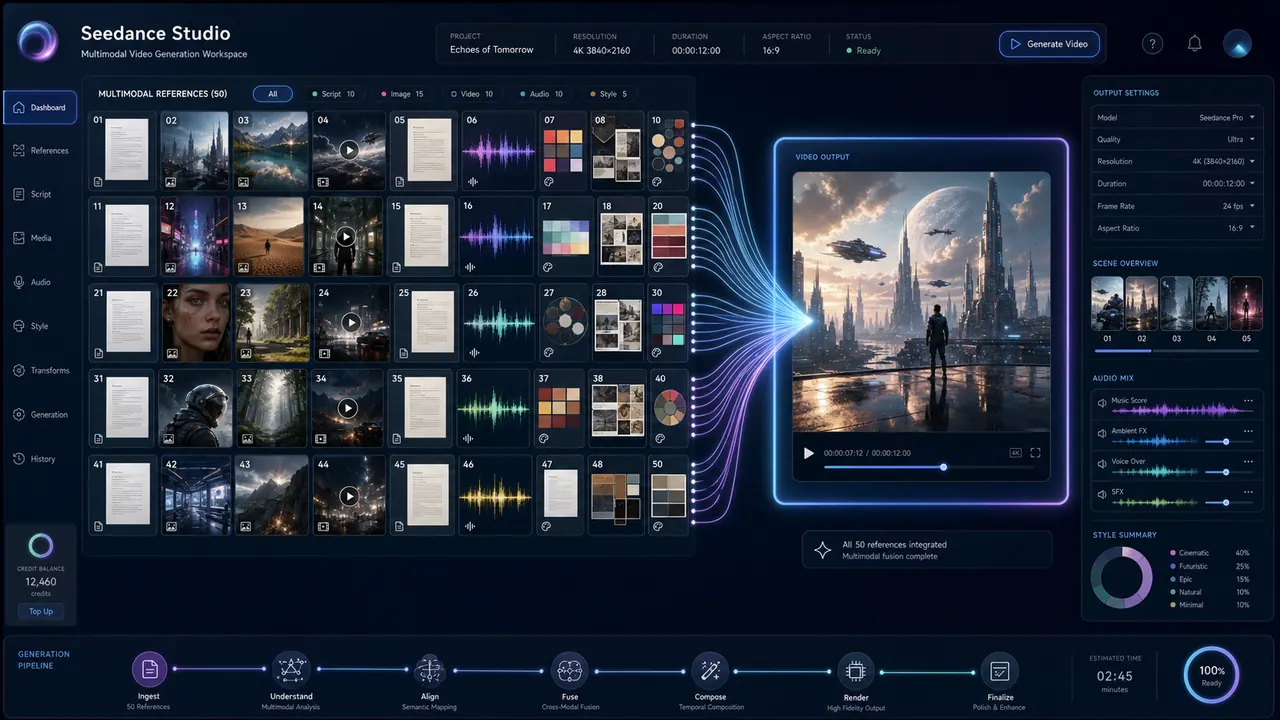
ByteDance shipped Seedance 2.5 on July 31, doubling single-generation runtime to 30 seconds, adding a beta long-video mode reaching 180 seconds, and accepting up to 50 multimodal reference inputs — scripts, images, video, audio, style boards — per generation. A precision regional editor lets you repaint specific parts of a clip without rebuilding the whole scene, and 4K output is now included. The model is available on all Seedance Studio tiers including free, with no waitlist; API access via Volcano Ark is opening shortly.
Today, August 2, is the enforcement date for EU AI Act Article 50, which requires machine-readable C2PA provenance marking on all AI-generated video, audio, and images distributed to EU audiences — penalties up to €15M or 3% of global annual revenue. California SB 942 hit the same operative date: platforms with 1M+ monthly California users must embed invisible watermarks, offer visible disclosure, and provide a free public detection tool, with daily civil penalties up to $5,000 per violation. For any creator distributing to the global web, C2PA signing is now a pipeline requirement, not a to-do item.
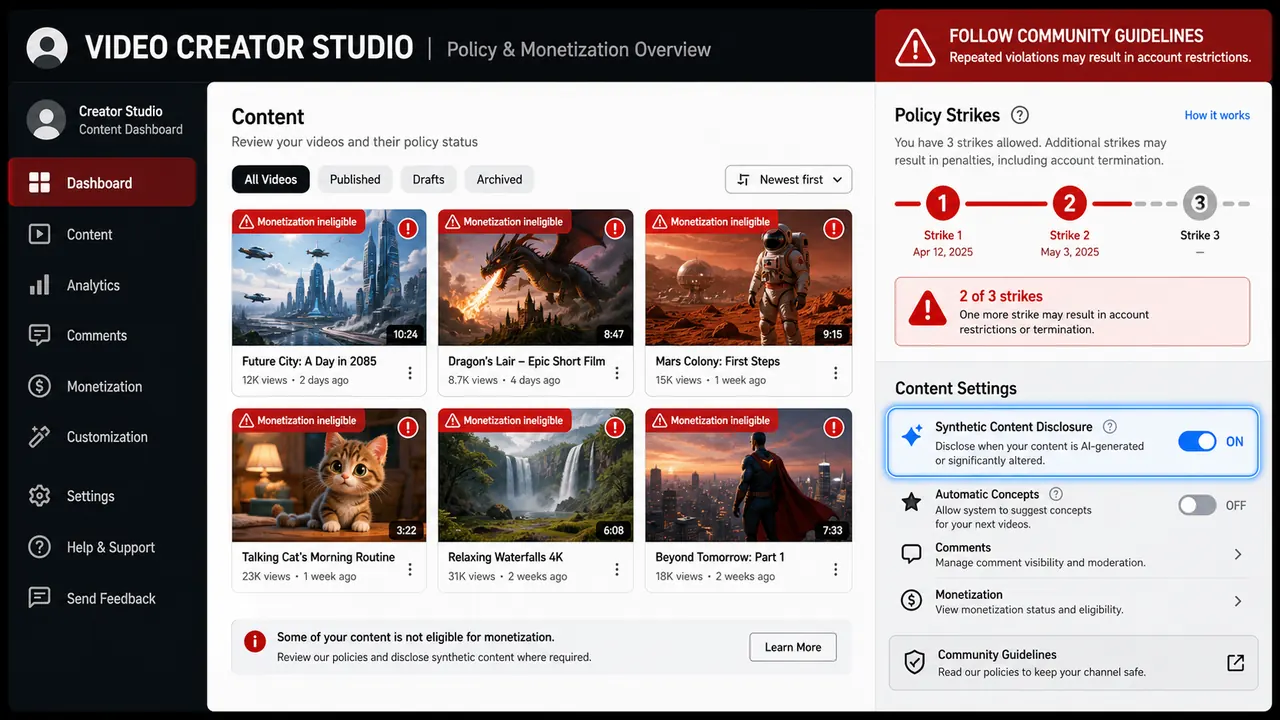
YouTube's July 16 policy clarification defined three categories no longer eligible for YPP ad revenue: generic or template-based videos, unsatisfying or off-putting content, and AI personas advising on sensitive topics. Violations trigger a three-strike system: warning, 90-day YPP suspension, then permanent removal from monetization. The synthetic content disclosure toggle in YouTube Studio is now a hard prerequisite for eligible AI content to run ads at all — not just a label, it is part of the eligibility gate.
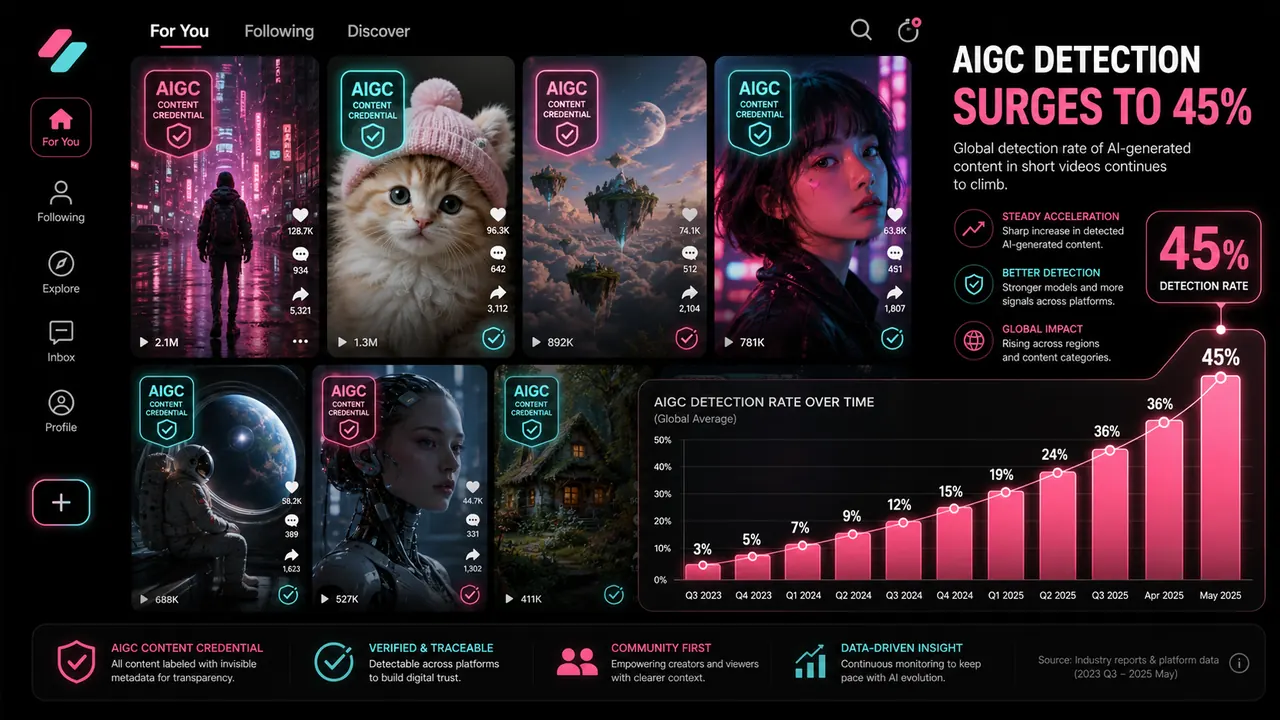
TikTok's C2PA-powered detection has now labeled over 1.3 billion videos, with 52% of all content on the platform involving some AI element. Detection accuracy has climbed to 35–45%, with synthetic face detection performing best. The enforcement penalty: any video the system flags as AI-generated without proper creator labeling receives zero Creator Fund earnings for 14 days. Manually label AI content before posting — do not let the algorithm catch it for you.
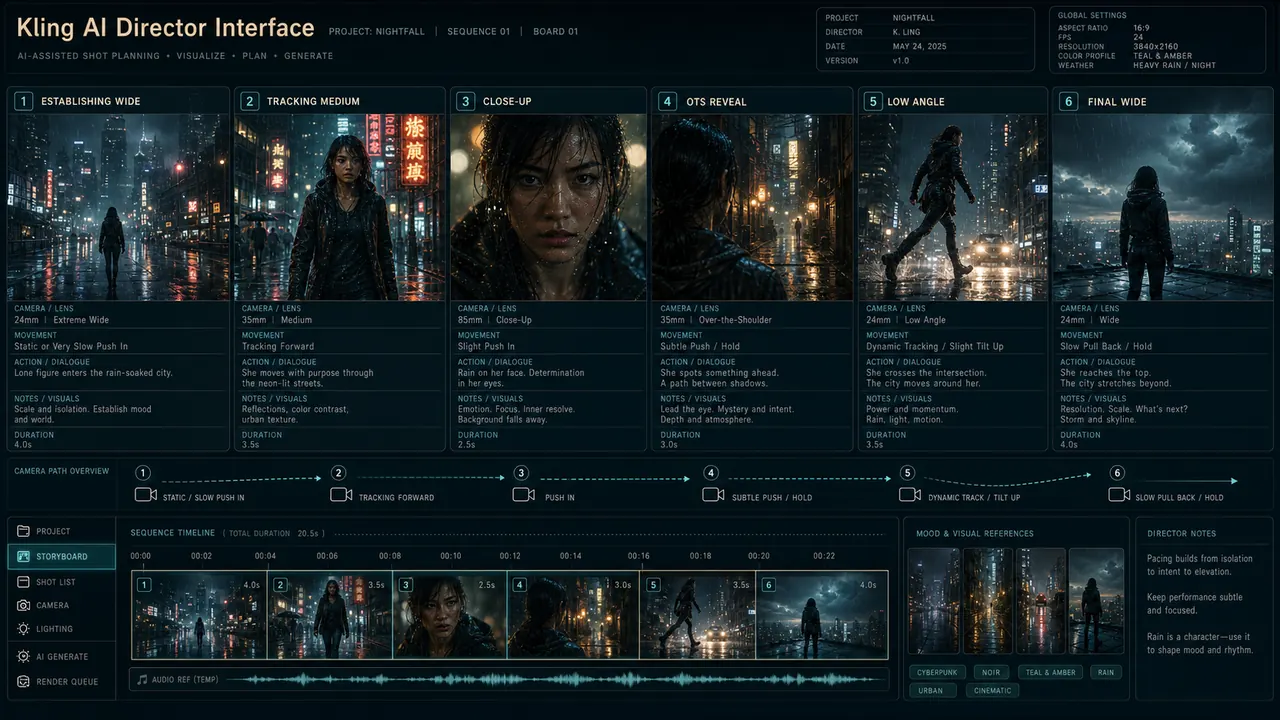
Kuaishou's Kling 3.0, launched June 17, introduced Multi-Shot, which produces up to six coherent camera shots in a single generation with maintained cinematic lighting, motion physics, and audio sync across all cuts. An AI Director mode interprets script-level blocking instructions rather than generating one isolated clip. Precise text rendering for signs and captions is included, and the Unified Omni One architecture integrates text, image, video, and audio at the model level. Currently the most capable multi-shot model in production for narrative and ad spot work.
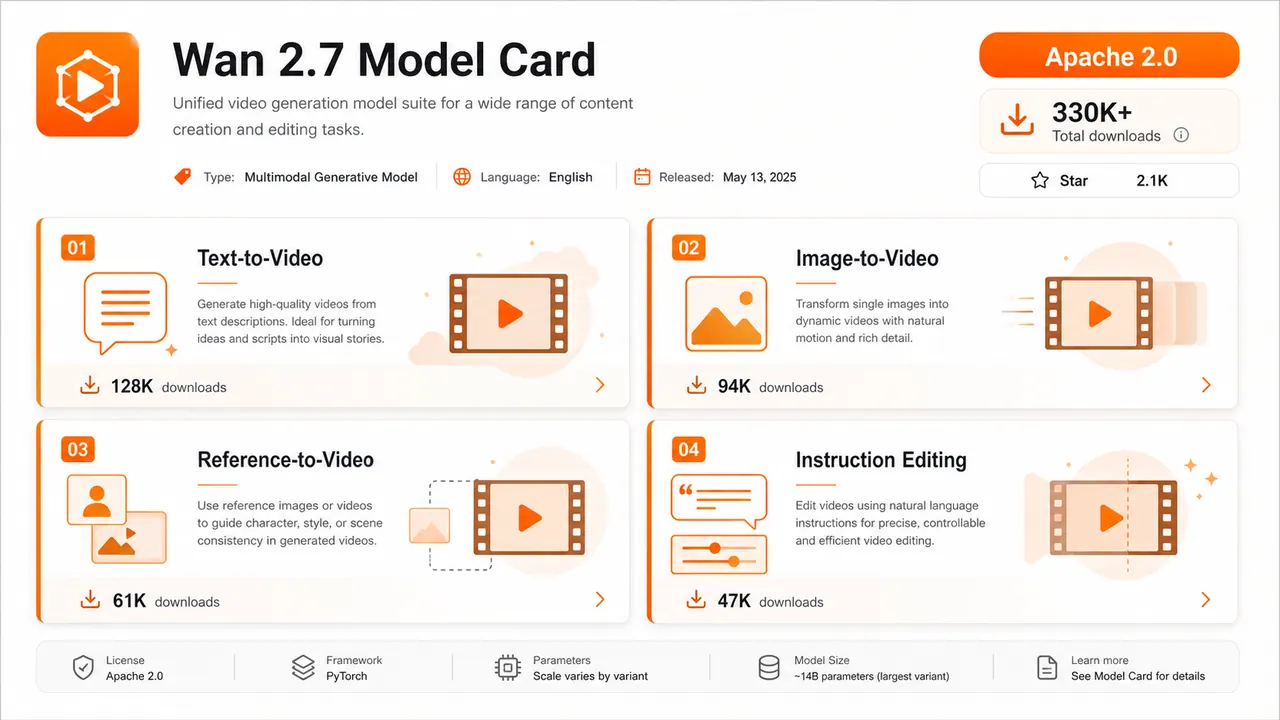
Alibaba's Wan 2.7 shipped in April as four separate open-weight models under Apache 2.0: text-to-video, image-to-video, reference-to-video with voice cloning, and instruction-based video editing. Generates 1080p up to 15 seconds with native audio output. API pricing is $0.10 per second for those not self-hosting. ComfyUI nodes are available. For local creators who can run a 14B model, this is the most complete free production stack to benchmark against the paid leaders.
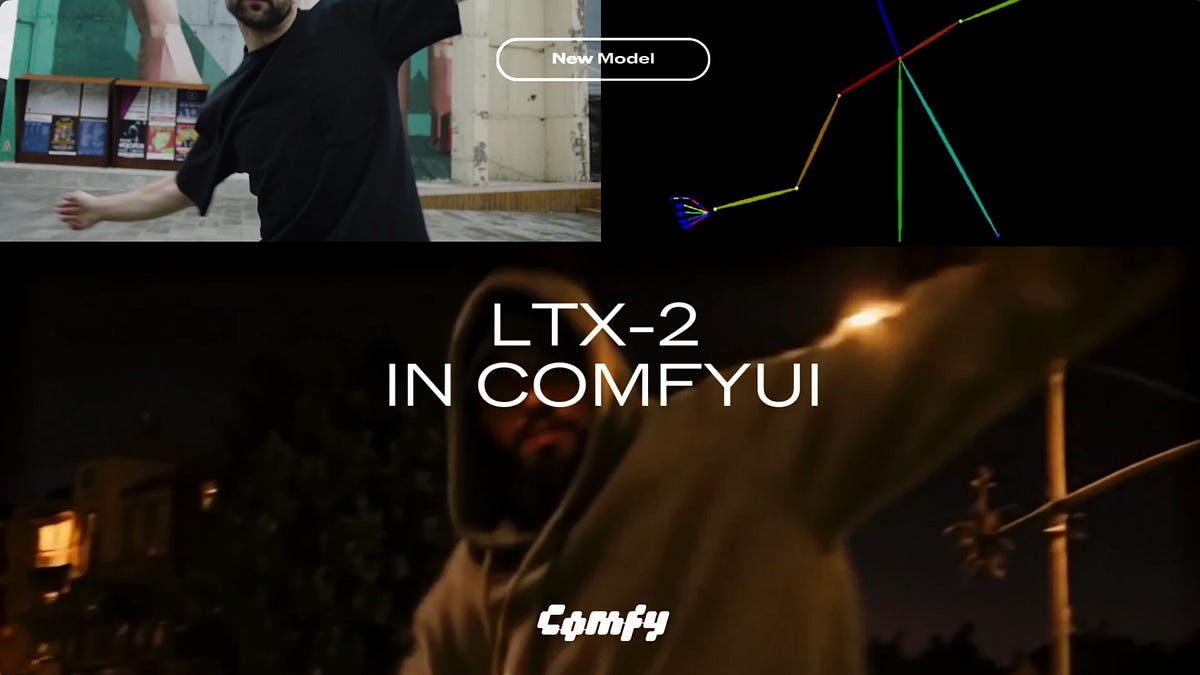
Lightricks' LTX-2.3 is a 22B-parameter open-weight model natively supported in ComfyUI v0.16+, generating 4K video at 50 FPS with synchronized stereo audio at 24kHz via HiFi-GAN vocoder. A revamped VAE improved fine-detail clarity over LTX 2.0, and a fourfold-expanded text connector tightens prompt adherence significantly. The fp16 checkpoint is 22GB; minimum 24GB VRAM required. A complete i2v workflow is live on comfy.org. For local-first creators, this is currently the highest-quality single-GPU audio-video stack available.