ByteDance's Seedance 2.5, announced at the Volcano Engine FORCE conference on June 23, is entering public access this week through Dreamina internationally and Jimeng in China. The model generates up to 30 seconds of 4K video in a single pass — no stitching — using a unified joint audio-video latent space that co-processes sound and visuals simultaneously. Up to 50 full-modal reference assets lock character appearance, voice, and style across the entire clip; CapCut integration is expected shortly after launch, putting this in front of millions of everyday editors.
TikTok's automated C2PA-backed enforcement system is now catching an estimated 65–70% of unlabeled AI content violations, a sharp jump from earlier in the year. The four-tier system runs from Tier 1 instant removal with account penalties for synthetic media involving minors or AI health/medical advice, down to Tier 3 content removal for unlabeled realistic clips. TikTok has confirmed the AI disclosure label does not suppress reach, so there is no algorithmic reason to skip it.
YouTube's inauthentic content policy — which replaced the repetitive content rule in July 2025 — hit its first major enforcement wave in January 2026 and is now issuing active strikes to mass-produced AI channels. The three-strike ladder: warning, 90-day YPP suspension, then permanent removal. The flip side: Shorts revenue parity with long-form is now live, removing the financial penalty for AI short-form strategies — but human creative input remains the qualifying factor for monetization.
ComfyUI shipped v0.27.0 on June 30, bringing int8 model support optimized for Turing-class GPUs and newer, native support for Krea 2 and LTX-2 video models, an Advanced Krea 2 Model Merging node, and a Bounding Box Canvas node with Ideogram JSON prompt support. This follows the June 4–8 Comfy Desktop overhaul that added multi-instance management, snapshots, and shared model storage. Official AMD ROCm support on Windows is now in — no more workarounds.
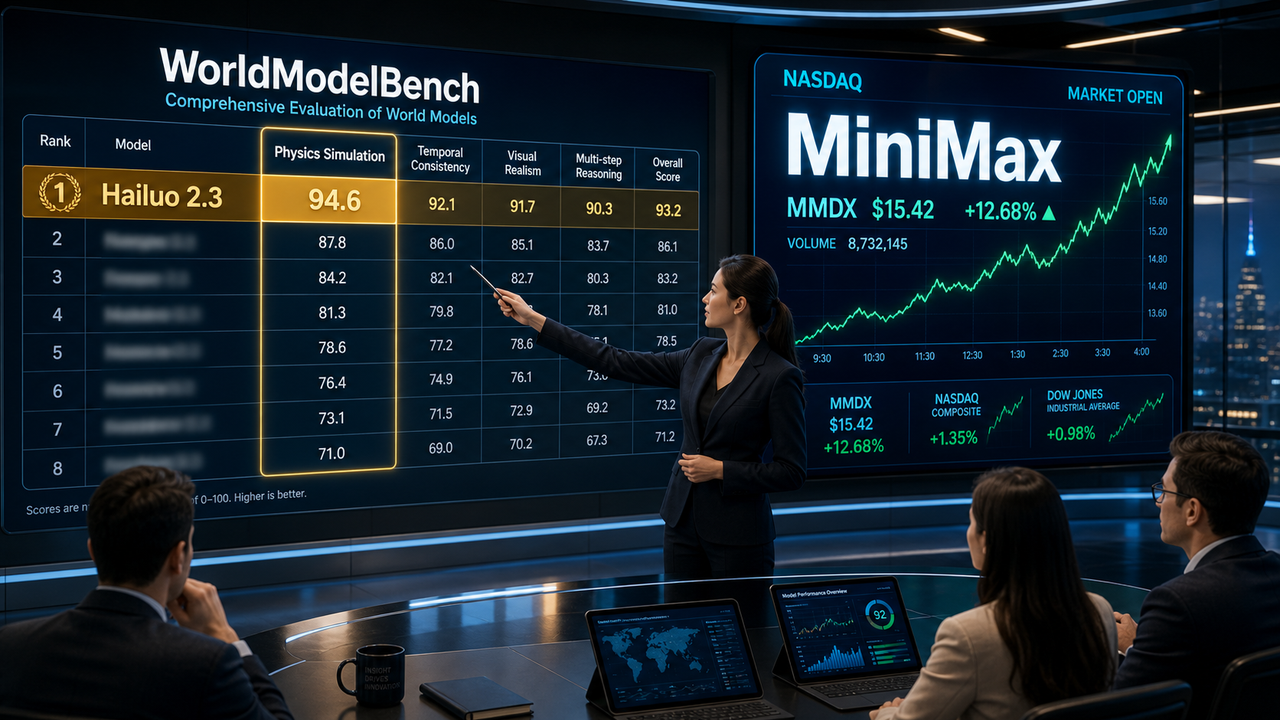
MiniMax, the company behind Hailuo AI, completed its IPO — the first major AI video lab to go public in 2026. Its Hailuo 2.3 model earned the Physics Champion title on WorldModelBench for leading physics simulation realism. At roughly 4x cheaper per clip than Runway and 10x cheaper than Sora was, Hailuo is now the credible budget-tier pick for creators who need believable object dynamics, cloth, and fluid physics without burning through credits.
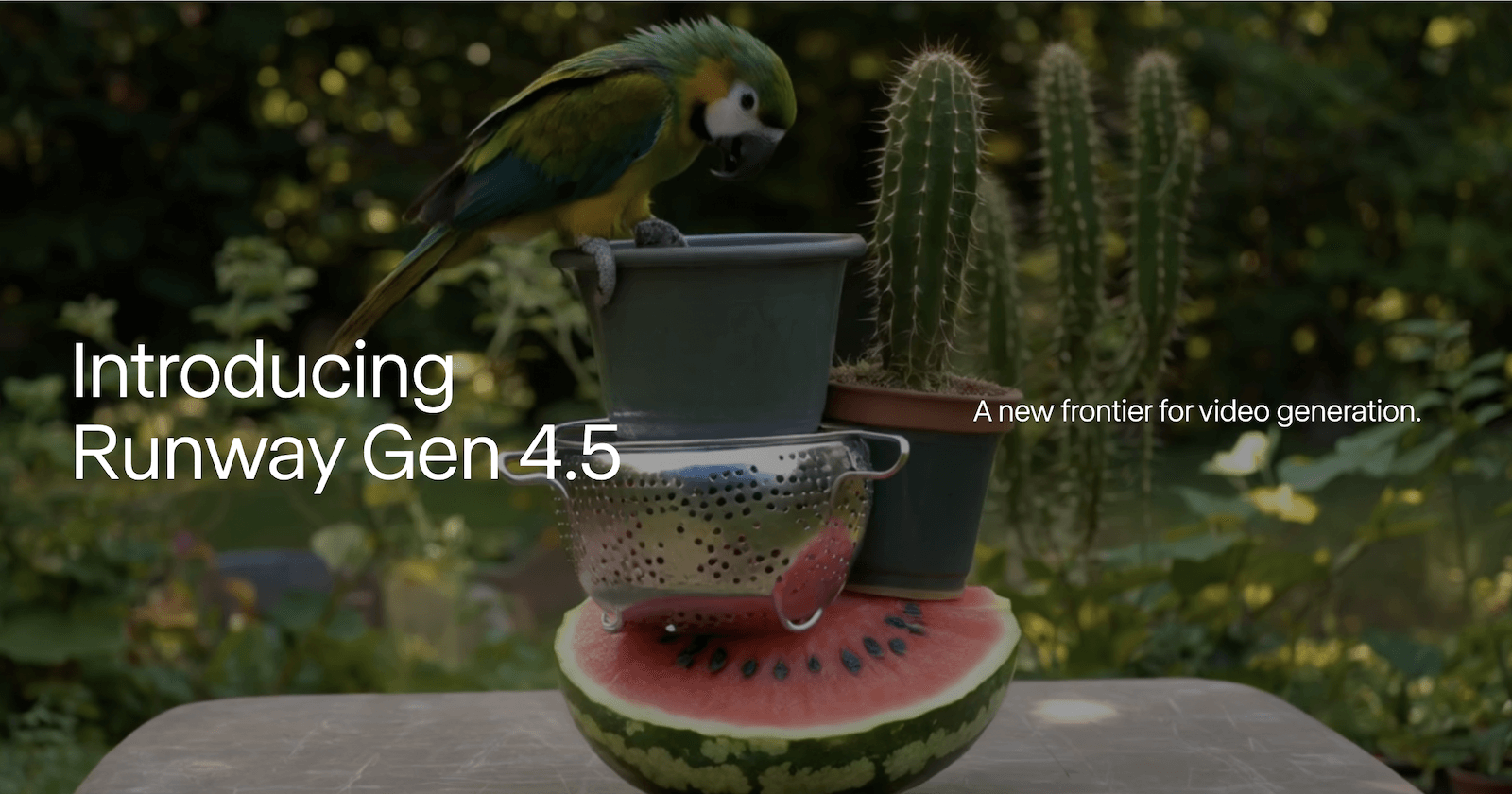
Runway added six native 4K resolution options — including 3840×2160 (16:9) and 2160×3840 (9:16) — across all Gen-4.5 endpoints: text-to-video, image-to-video, and video-to-video. 4K generations bill at 150 credits per second. Gen-4.5 currently tops the Artificial Analysis Text to Video benchmark at 1,247 Elo. Runway also shipped Studio Trim, a built-in tool for stitching, reordering, and exporting final videos without leaving the platform.
Alibaba's Wan 2.7 from Tongyi Lab introduces first-and-last-frame control — specify your opening and closing image and the model generates everything in between — plus a Thinking Mode that plans prompt interpretation before generation begins. Subject referencing maintains character identity across the full clip. It is open-weight, runs locally, and ComfyUI workflows are already circulating.
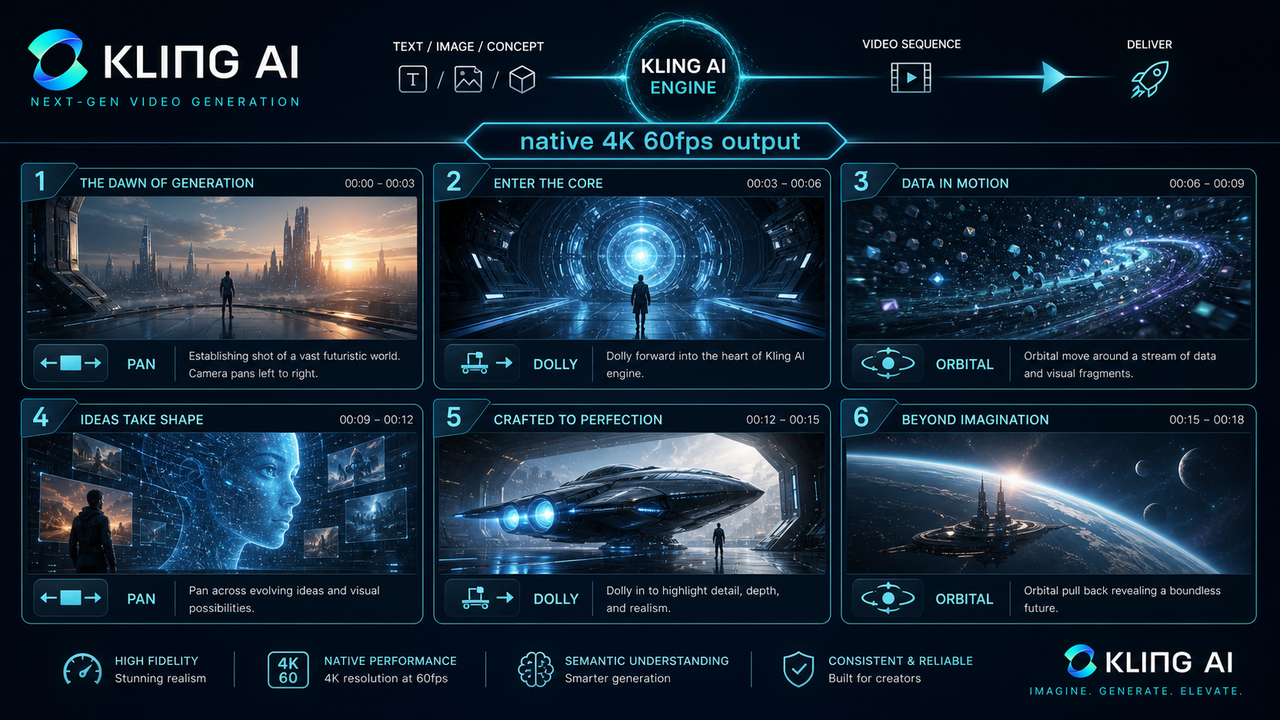
Kuaishou's Kling 3.0 remains the highest-Elo broadly available flagship at roughly $0.84 for a 10-second 1080p clip with audio. Its AI Director feature lets you specify up to six distinct shots — per-shot duration, angle, and camera motion — and the model generates a complete sequence in one pass. Native 4K at 60fps (not upscaled), multilingual lip-sync in five languages, and the Elements character consistency system complete the package.
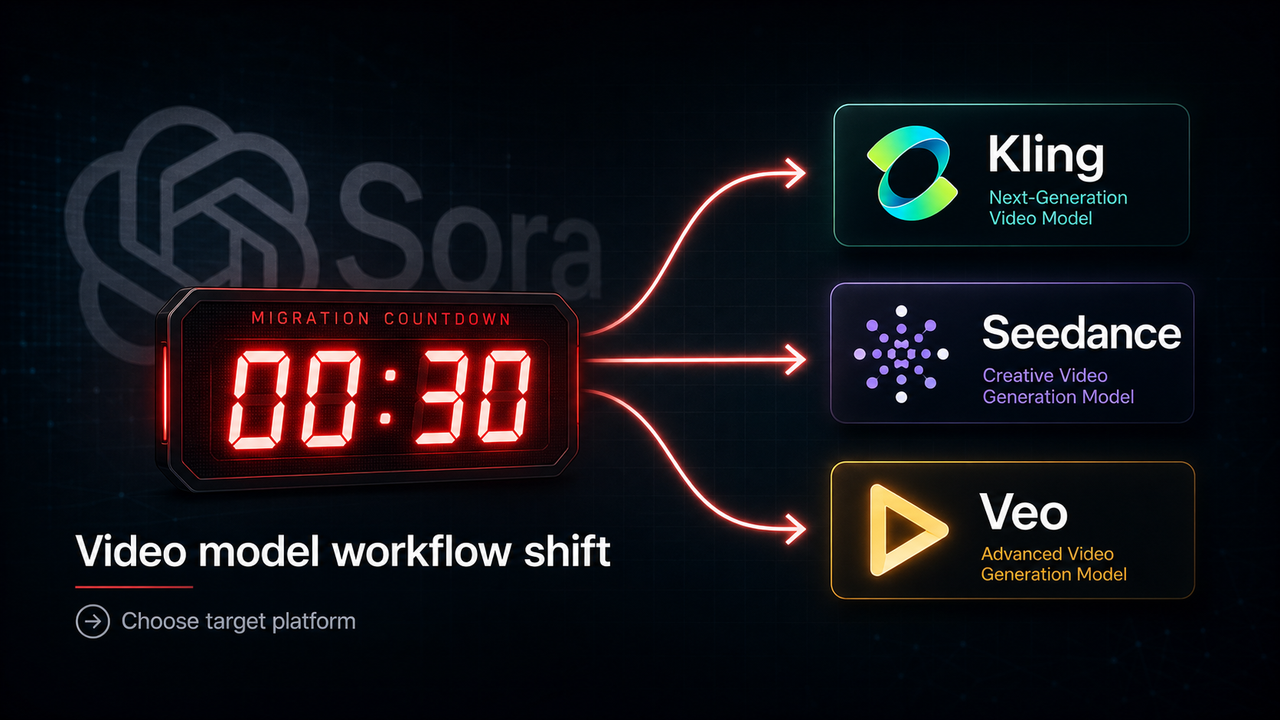
OpenAI confirmed the Sora web and app experience went offline on April 26, 2026, and the Sora API will shut down on September 24, 2026 — 11 weeks from today. Any production pipeline still calling the Sora API needs a migration plan now. Kling, Seedance 2.5, and Veo 3.1 are the natural landing spots depending on use case: narrative multi-shot, native long-form, or enterprise SLA requirements respectively.