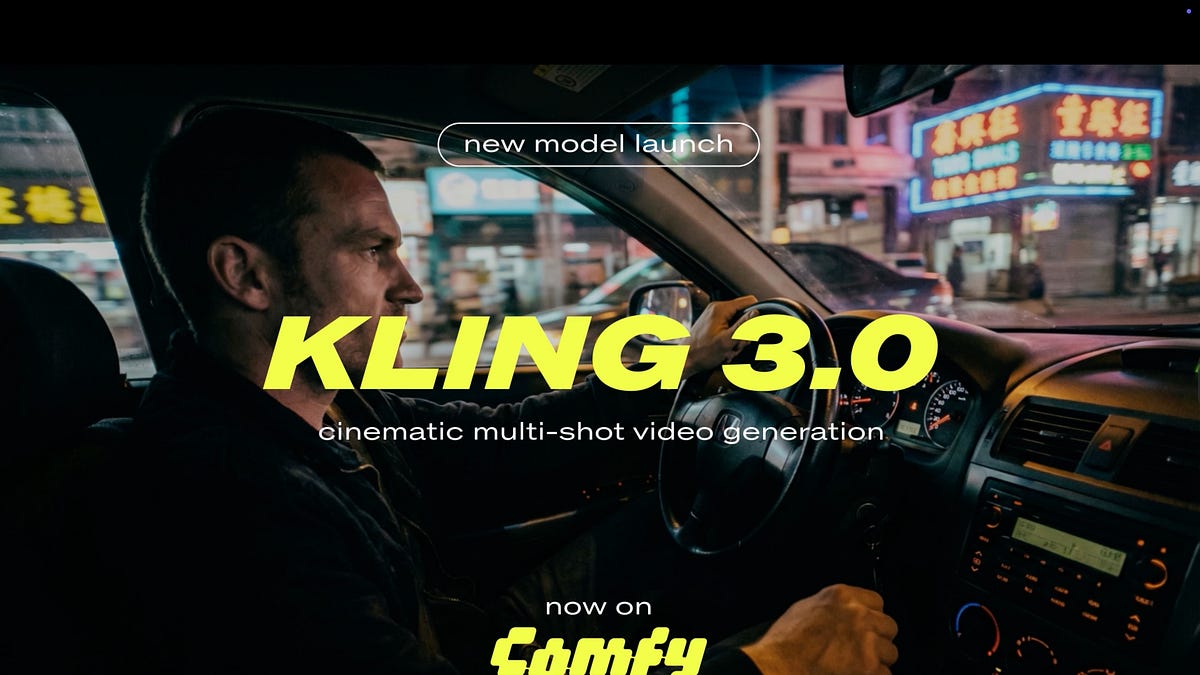
Kuaishou's Kling 3.0 Turbo is now available in ComfyUI via Partner Nodes, delivering the fastest generation speeds in the Kling lineup at the best price-performance ratio. First-run prompt adherence is strong, audio-visual sync is improved, and the Motion Control workflow — where you draw per-shot motion paths directly on the frame — ships alongside it. Update to the latest stable ComfyUI build to access it.
As of June 30, Runway API users can generate speech, sound effects, and music from text prompts using ByteDance's Seed Audio 1.0 — up to 120 seconds per generation at 0.25 credits per second, with optional 30-second reference clips to guide tone and style. A planned July update is expected to extend the ceiling to 10 minutes with precise length control and broader multilingual support. This is the missing audio layer for API-driven video pipelines.
TikTok's March 2026 mandatory AI-generated label rule has real consequences: videos flagged by the automated detection system before labeling receive a 14-day Creator Fund earnings freeze, even if you retroactively label them. All three major platforms — TikTok, YouTube, and Meta — now require AI content disclosure, but TikTok's enforcement mechanism is the sharpest immediate financial risk for working creators.
ByteDance previewed Seedance 2.5 at the Volcano Engine FORCE conference on June 23, promising native 30-second single-clip generation (no segment stitching), up to 50 multimodal reference inputs, and region-level editing without regenerating the full frame. Public access via Dreamina and CapCut was targeted for early July, but as of July 2 it remains locked in closed enterprise beta with no confirmed launch date. A legal overhang — every major Hollywood studio sent cease-and-desist letters over Seedance 2.0's training data — adds friction to the timeline.
Alibaba's Wan 2.7 is now accessible via ModelScope with three significant additions: video-to-video transformation (feed in existing footage, restyle via prompt while preserving motion), first-and-last-frame generation, and subject referencing to hold character appearance consistent across a full clip. Open Apache-licensed weights have not been confirmed on GitHub yet — Wan 2.2 remains the last open build — but Alibaba's historical pattern of 4-to-8 weeks from cloud launch to open weights points to a mid-July release.
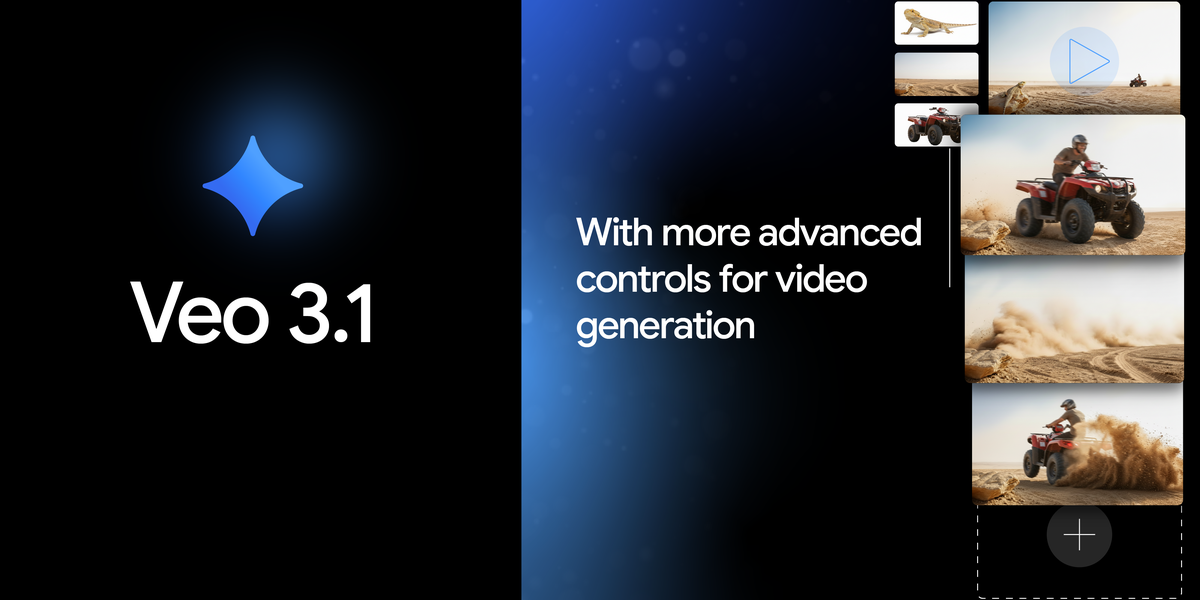
Google made Veo 3.1 free for all Google account holders through Google Vids and the Flow interface, pairing it with Lyria 3 custom AI music generation and directable AI avatars. The model adds native 9:16 aspect ratio support, 1080p and 4K upscaling, improved character consistency across cuts, and richer native audio. Veo 3.1 is also available via the Gemini API and Vertex AI for developers and enterprise.
Runway's Aleph 2.0 has been available in the API since June 2 and enables a capability largely absent from other tools: editing 2-to-30-second video clips with text prompts anchored to specific timestamps, with optional keyframe images. It's built for ad revision workflows where a single visual element needs to change mid-clip without regenerating the entire scene.
LTX 2.3 — 22 billion parameters, native 4K at 50fps with stereo 24kHz audio, and vertical-native training for portrait video — now has a mature LoRA and ControlNet ecosystem built around it inside ComfyUI as of spring 2026. For creators producing YouTube Shorts or Instagram Reels, the vertical-native architecture is a real edge over models that crop landscape output after the fact.
A documented case study circulating this week shows one AI video creator earning $253,584 across 200 videos over two years, with 70% of revenue concentrated in just 10 top performers. Faceless AI channels in high-CPM niches now report $2,000 to $20,000 monthly from a mix of AdSense, affiliate deals, and brand sponsorships. History channels specifically see $5 to $15 RPM, with 500K monthly views generating $2,500 to $7,500 from ads alone.