ByteDance's Seedance 2.5 hit public access July 3 via Dreamina and Jimeng, delivering the industry's first native 30-second single-pass generation with up to 50 multimodal references (text, image, audio) and in-clip local editing — no stitching, no regeneration loops. CapCut integration (400M monthly users) follows mid-July; Volcano Engine API access in late July. The catch: the MPA's cease-and-desist from the Seedance 2.0 copyright storm — which pulled in Disney, Warner, Paramount, Sony, and Netflix — has never been resolved, and ByteDance hasn't confirmed Seedance 2.5's training data is clean.
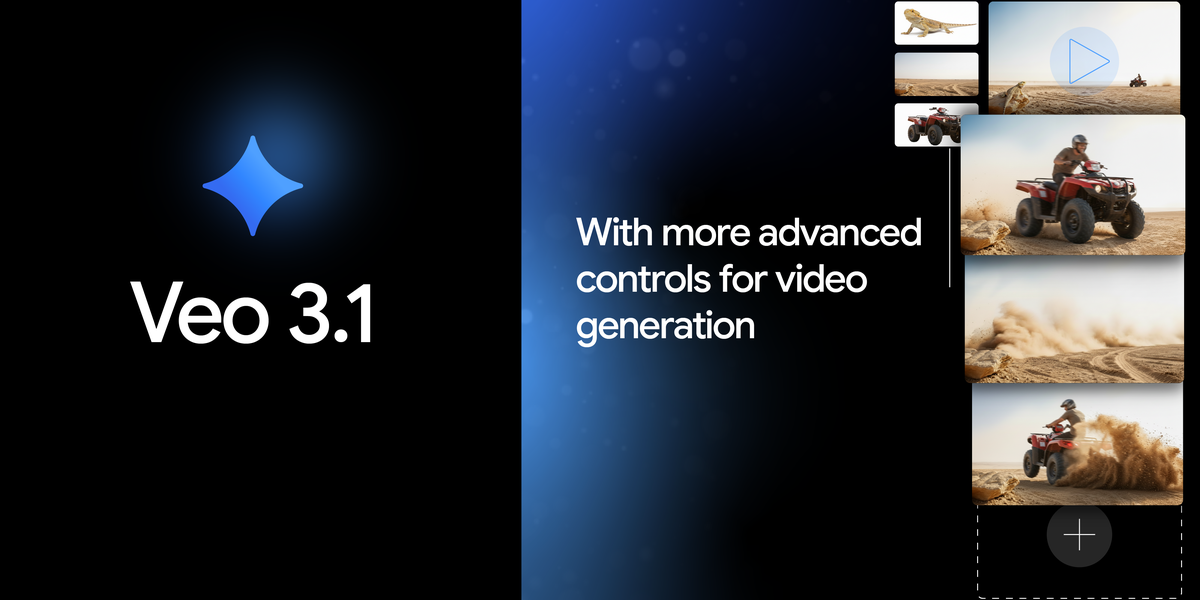
Google launched Veo 3.1 Lite at less than 50% the cost of Veo 3.1 Fast, same generation speed, with access live now in Gemini API, AI Studio, and Vertex AI. The broader Veo 3.1 update adds native 9:16 output purpose-built for Shorts and Reels (no more cropping), sharper temporal consistency, richer native audio sync, and upscaling to 1080p and 4K.
Since May 26, 2026, TikTok enforces a four-tier penalty ladder for undisclosed AI-generated content, escalating from warning to permanent TikTok Shop closure after three strikes in 90 days. C2PA integration now auto-detects synthetic media from 47+ AI platforms even after post-processing; attempting to hide AI origin carries steeper penalties than voluntary disclosure.
Since May 2026, YouTube's detection system identifies photorealistic AI-generated video and applies disclosure labels automatically. A July 15 demonetization sweep targets channels using text-to-speech, auto-slideshows, or repurposed footage without editorial input. The policy explicitly allows AI as a creative tool while penalizing AI as a creativity replacement, regardless of view counts.
ComfyUI v0.27.0 (June 30) adds int8 convrot model support on Turing GPUs and newer, with optimized LoRA applying and better memory management for meaningful quantized inference speedups on local hardware. Partner node additions include a Gemini Video Omni node for video generation directly in the graph, plus a Seed Node, Bounding Box Canvas with Ideogram JSON prompt support, and ConditioningMultiply.
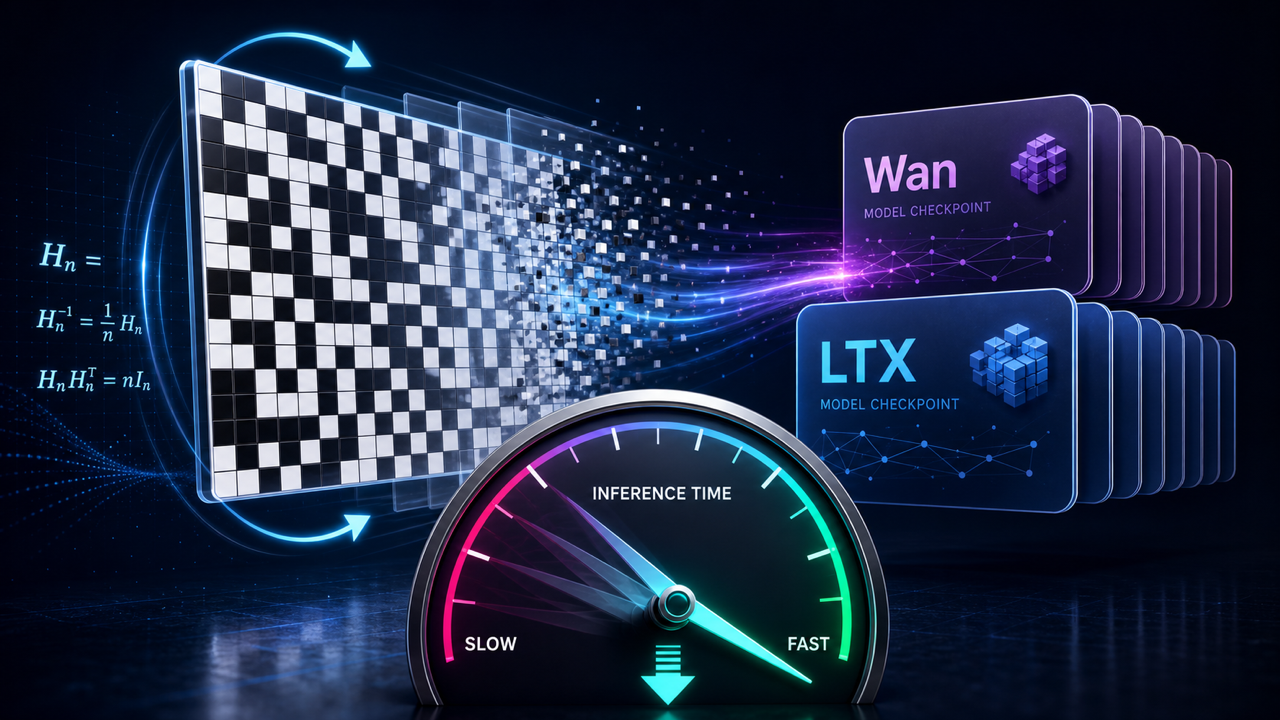
A paper posted July 2 on arXiv presents OrbitQuant, a data-agnostic weight-activation quantizer for image and video diffusion transformers. A randomized permuted block-Hadamard rotation generates a single Lloyd-Max codebook that works across all timesteps, prompts, and checkpoints of a given parameter dimension — no recalibration per model version. For local runners on Wan 2.7 or LTX-2 Pro, this is the path to faster inference without per-checkpoint data prep.
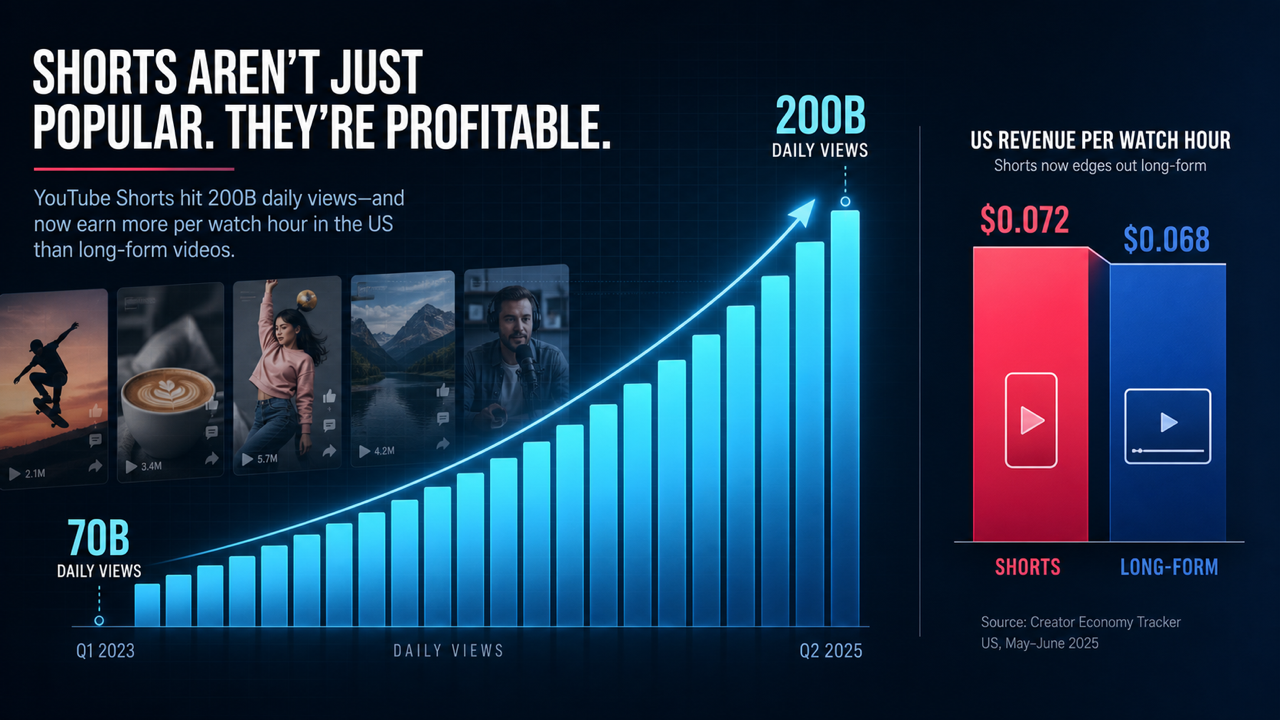
YouTube Shorts crossed 200 billion daily views (up from 70B in 2023), and since October 2025, Shorts generates more revenue per watch hour than traditional long-form in the US market. Shorts RPMs still range from $0.03 to $0.13 per thousand views, but the strategic play is a Shorts-to-long-form funnel: build audience on Shorts, monetize at $3–9+ CPM on long-form in premium niches.
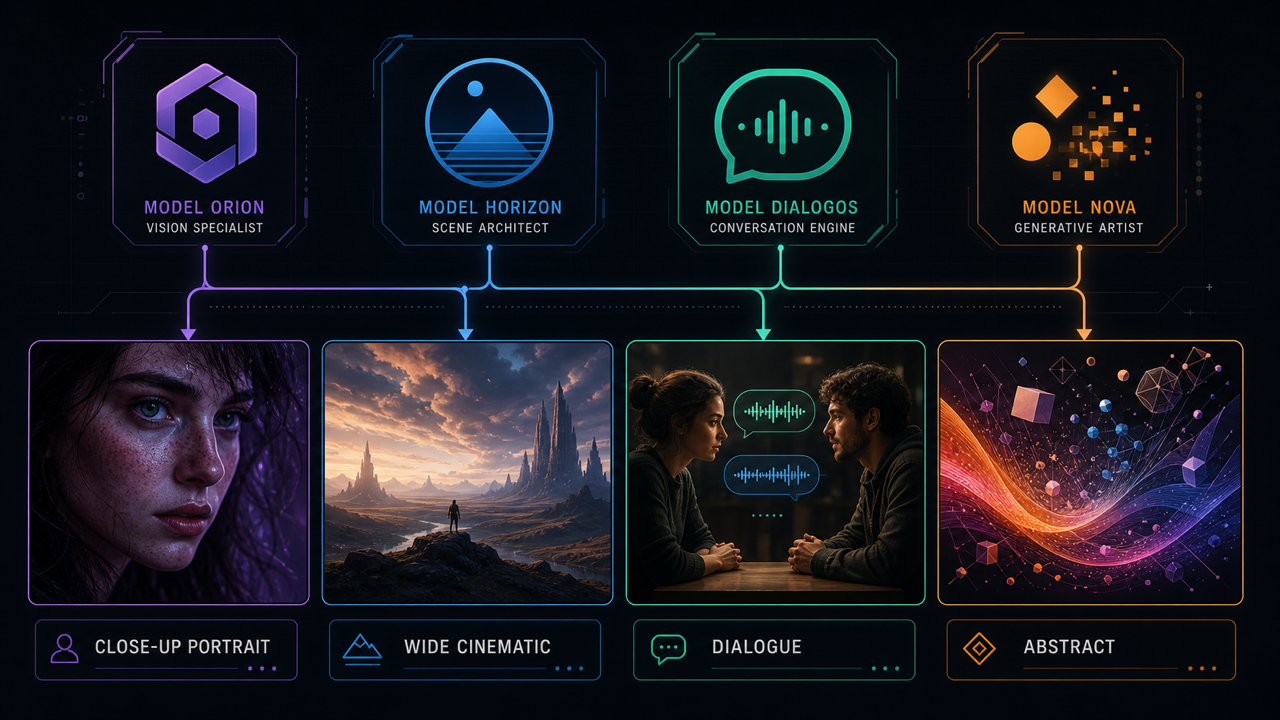
The dominant workflow shift of mid-2026: stop running everything through one model, start generating shot by shot with the right model per shot type. Wireflow's updated canvas chains Veo 3.1, Kling 3 Pro, and Sora 2 on a single visual graph — dialogue to Veo for audio sync, cinematic beauty shots to Kling for motion quality, abstract sequences to whatever costs least. Pure text prompting is now the amateur move; the standard pairs every shot with character references, audio guides, and start/end frames.