Google dropped Veo 3.1 Lite on July 1 through the Gemini API at $0.05 per second for 720p, down from Veo 3.1 Fast's $0.15/sec — a 67% reduction that finally makes high-volume automated video pipelines viable for independent creators. The model supports text-to-video and image-to-video in landscape and portrait up to 1080p, with 4-to-8-second clip lengths. This lands as OpenAI's Sora API counts down to its September 24 end-of-life date after Sora's web app already went dark April 26.
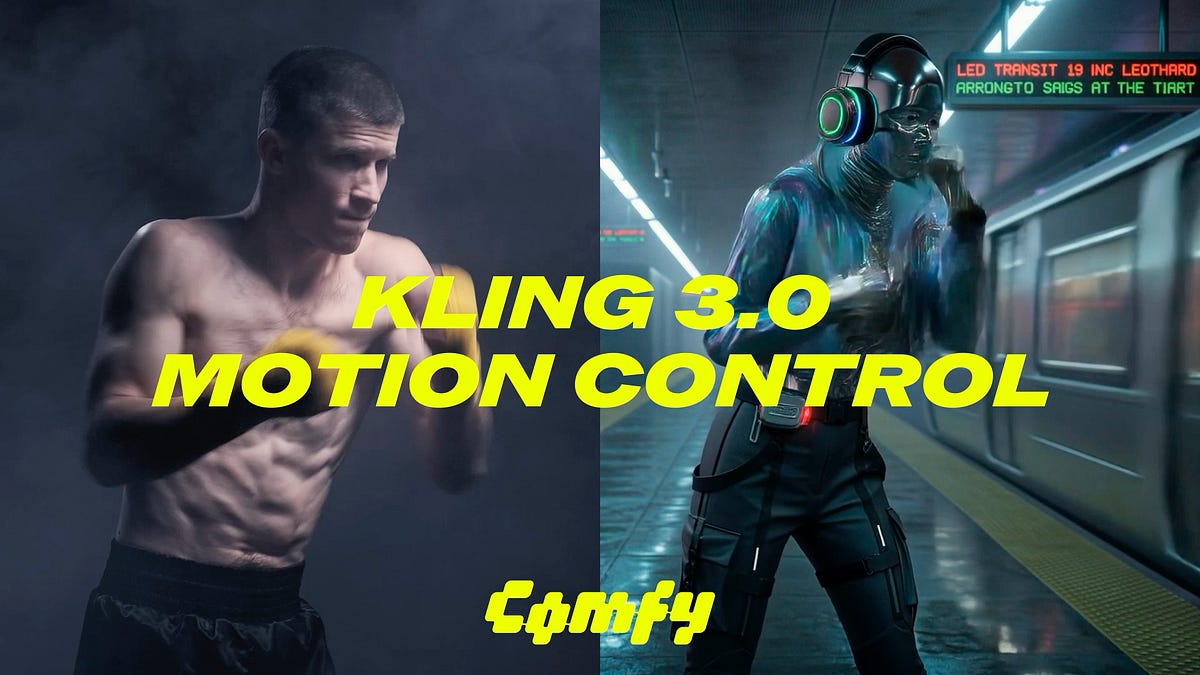
Kling's 3.0 partner node pack is live in ComfyUI, delivering KlingMotionControl, KlingCameraPath, and a new facial consistency system called Element Binding that keeps characters stable across angles, expressions, and partial occlusions within a single generation pass. Multi-Shot planning lets you specify shot count and per-shot duration directly in the prompt; nine free workflow templates are already in the template library. This is the most directly pluggable character-consistency upgrade ComfyUI users have seen in months.
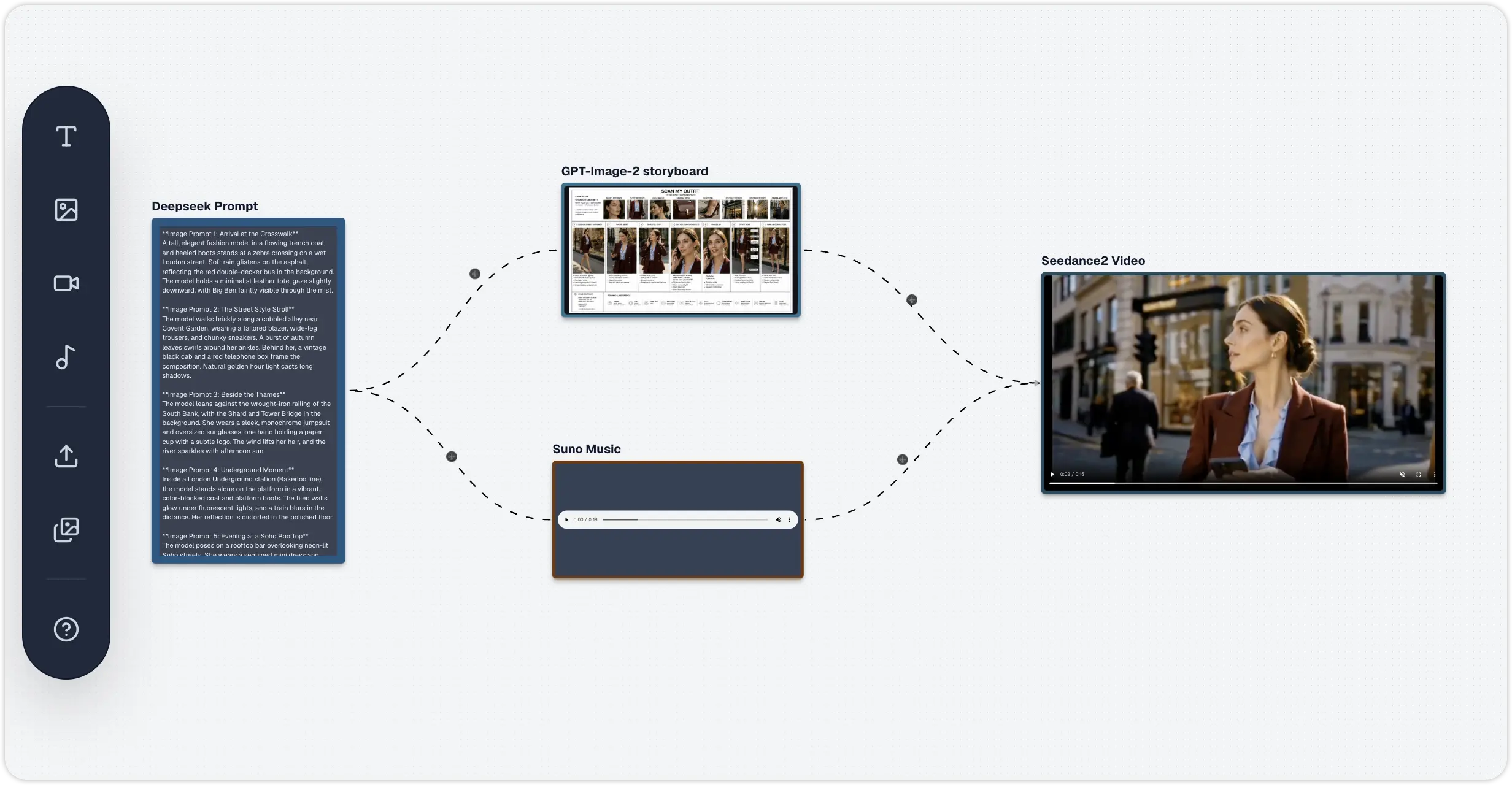
ByteDance previewed Seedance 2.5 at the Force conference June 23 and public access is expected imminently. The key specs: a single native 30-second 4K clip in one pass with no stitching, up to 50 multimodal references (images, video, and audio combined), and region-level editing that changes part of a frame without regenerating the whole shot. International access via BytePlus and Dreamina follows China's Doubao rollout.
Since March 2026, TikTok's C2PA-based automated detection flags AI-generated faces and voices even when creators don't self-disclose — and those flagged videos take an immediate 50-70% distribution cut. Properly self-labeled content faces zero reach penalty; TikTok has stated the label is a disclosure mechanism, not a ranking signal. The penalty ladder escalates from warning through 7-day posting restriction, 30-day suspension, and permanent ban, with synthetic media of real private individuals banned outright regardless of labeling.
Released June 30, version 0.27.0 adds native int8 quantized model support with optimized LoRA applying — meaning Krea 2 Turbo INT8 and similar quantized models now load cleanly on any Turing-or-newer GPU without workarounds. New nodes include a Seed Node for deterministic workflow control, Advanced Krea 2 Model Merging, and a Bounding Box Canvas node with Ideogram JSON prompt support. Memory management improvements make this a meaningful upgrade for anyone running large models locally.
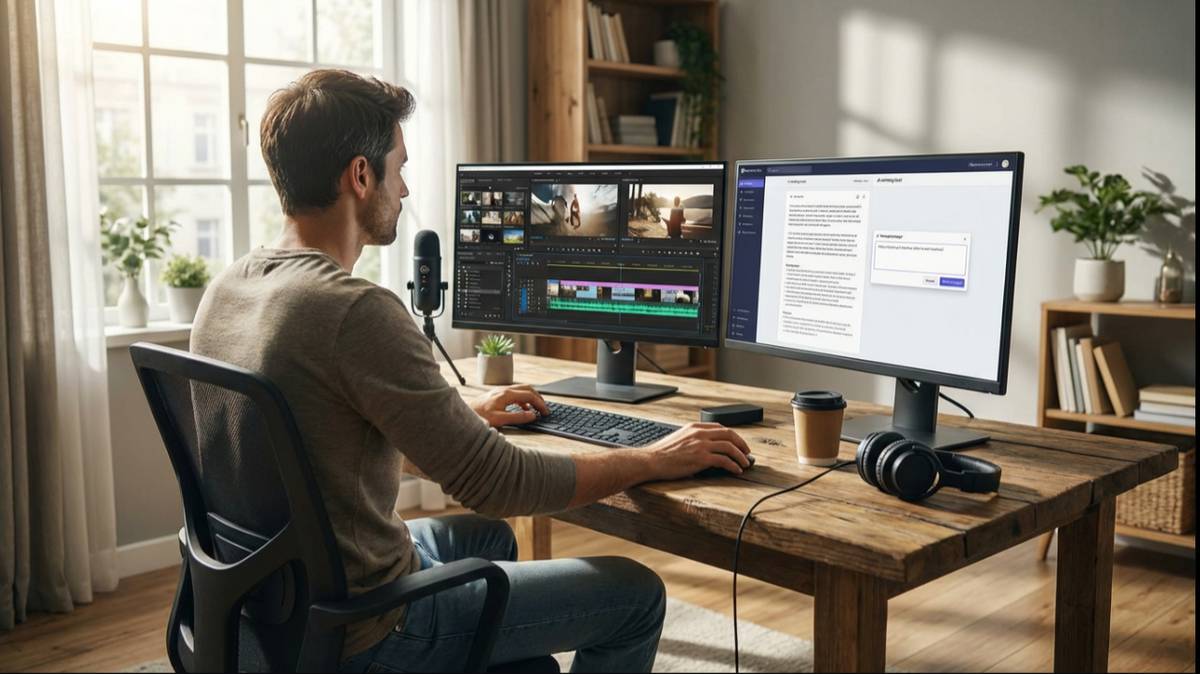
YouTube's inauthentic content policy, in force since July 2025, bars monetization for purely AI-generated output without visible human creative direction — auto-generated slideshows, TTS-over-stock-footage, and content-farm assembly are the explicit examples. The practical test is whether a human is guiding narrative and editorial choices; channels that pass in high-CPM niches are reporting $10-$35 CPM. Creators need to treat AI as a production tool, not the creative director, to stay eligible.
The Adobe-Runway partnership from December 2025 has progressed to full live integration: Gen-4.5 is accessible inside Firefly's Generate Video, Image to Video, and Firefly Boards tools with direct export to Premiere Pro and After Effects. Adobe subscribers get early access to some Gen-4.5 features not yet available on Runway's standalone platform, with deeper NLE integration scheduled for later in 2026. This makes Gen-4.5's physics accuracy and prompt adherence available to the entire Creative Cloud subscriber base.
OpenAI's Sora reportedly burned $15 million per day in operational costs; the web app went dark April 26 and the API terminates September 24. A rumored $1 billion Disney deal collapsed alongside it. Developers still on Sora's API have under three months to migrate — Veo 3.1 Lite and Wan 2.6 are the most-cited landing targets, depending on whether cost-efficient API access or open-source local control is the priority.
Wan 2.7, released in April, adds first-and-last-frame bookending — set your start and end frames, the model generates the motion between them — plus a 9-grid image-to-video layout for multi-angle scene composition and natural language video editing where you describe a change and the model edits the existing clip. Audio-conditioned generation is also new: provide an audio file and lip movement, body motion, and rhythm sync during generation, not in post. All of this runs open-source in ComfyUI.