YouTube activated automatic AI-generated content labeling on May 27, using internal signals and C2PA metadata to detect photorealistic AI video even without creator self-disclosure. Thousands of creators have already reported demonetization for failing to use the "Altered or Synthetic Content" toggle in Creator Studio — the label is also permanent on content made with YouTube's own tools like Dream Screen. This is the most operationally urgent compliance item in any AI video workflow right now.
MiniMax released Hailuo 2.3 and 2.3-Fast, targeting complex full-body motion, improved stability on anime and stylized art, and sharper facial micro-expressions. Pricing holds the same as Hailuo 02, with daily free trial credits during the launch window — the lab is explicitly positioning it as "a new global record for cost-effectiveness" against Veo and Kling. If you do stylized or anime-adjacent content, this is worth a same-day test.
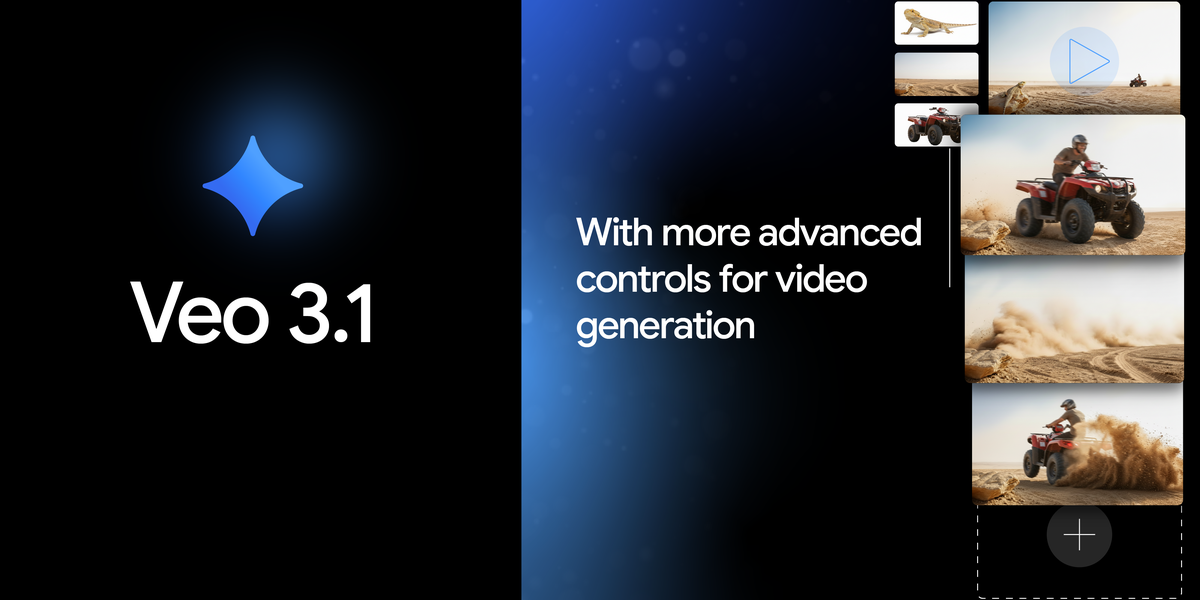
Google shipped Veo 3.1 and Veo 3.1 Fast into paid preview, adding native 9:16 vertical format (trained on portrait data, not cropped), 1080p HD output, richer native audio with improved conversations and sound effects, and better character consistency across scenes. A new budget tier, Veo 3.1 Lite, drops the entry price further. Flow, Google's video editor, was also updated with granular clip editing and AI audio integration in the same push.
ComfyUI's v0.9.21 introduces Subgraphs — complex node chains can now be packaged into single reusable nodes, a major workflow modularity leap for production pipelines. New Partner Nodes add FLUX.1 Krea, Qwen-Image 20B for complex text rendering, Tripo H3.1 for 3D asset generation, and alpha-channel transparency support for video loading. NVIDIA's RTX Spark integration is targeting local 4K AI video on consumer PC hardware alongside 120B parameter LLMs.
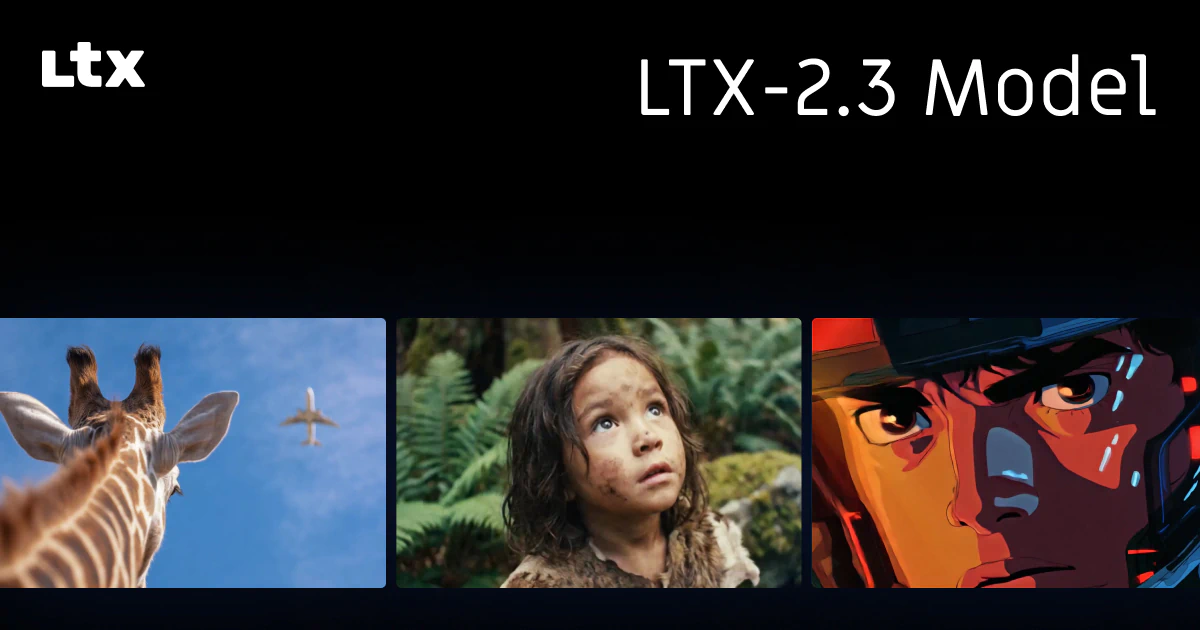
Lightricks' LTX-2.3 is a 22B parameter open-source DiT generating 4K video at up to 50 FPS with synchronized audio in a single forward pass. It ships with native 9:16 portrait training, a rebuilt VAE for sharper hair and edge detail, and full ComfyUI integration out of the box. The commercial license is completely free for companies under $10M annual revenue — weights are on Hugging Face now.
Runway's Gen-4.5 is ranked number one on the Artificial Analysis Video Arena leaderboard, beating Google and OpenAI on motion quality, prompt adherence, and physics simulation. Runway also announced GWM-1, a General World Model designed to simulate reality in real time — a signal the lab is moving well past clip generation into physics-engine territory.
TikTok is using C2PA Content Credentials to automatically detect and label synthetic media, whether or not the creator self-discloses. Deepfakes of real people without a label are a policy violation; synthetic media of real private individuals is banned entirely. Compliant AI content — labeled, not impersonating real private individuals — remains fully eligible for Creator Rewards and brand partnerships.
A June 2026 arXiv paper introduces LoRA-Edit, a mask-aware LoRA fine-tuning approach for controllable first-frame-guided video editing that gives precise regional control over which scene elements change. NVIDIA simultaneously published a Hugging Face guide on fine-tuning Cosmos Predict 2.5 with LoRA/DoRA, cutting memory requirements enough to make video adapter training viable on a single GPU without a cluster.