Topaz Labs dropped its Expansion Release on May 7, adding an SDR-to-HDR video upscaler, a native Premiere Pro panel that brings Astra 2 upscaling directly into the timeline, and a new web-based image enhancement app. Combined with the Astra 2 model (prompt field, Creativity 1–5, Sharpness 1–5 sliders) launched in late April, this is the most complete post-production AI upscaling stack available right now. CEO Eric Yang called it "our largest fundamental improvement in model quality in years."
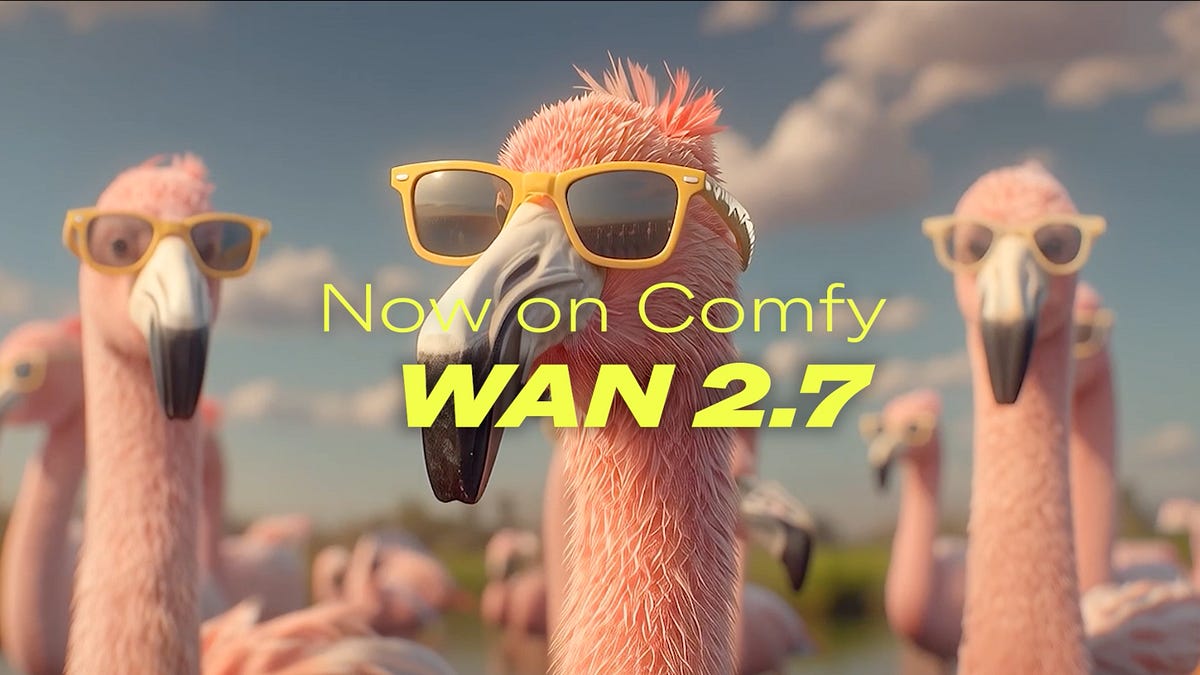
Alibaba's Wan 2.7 (27B params, 14B active via MoE) is now accessible in ComfyUI through Partner Nodes, bringing text-to-video, image-to-video, video continuation, 3x3 grid-based image synthesis, and up to five real-person reference inputs with voice matching into your node graph. Open-source weights under Apache 2.0 are expected to drop in May–June 2026, which would unlock local inference and custom LoRA training.
Released May 8, VikPea V5.3.0 adds a one-click Video Beauty module (face enhancement, effects, makeup) alongside upgraded AI generative models with Natural and Sharpen modes for restoring low-quality footage. It also integrates Kling 3.0 and Kling V3 Omni as built-in generation engines, combining post-production upscaling with multimodal video generation in one tool. Starts at $43.19/month with a free trial.
Recent ComfyUI releases include a native audio recording node for in-graph voice capture, a Wav2vec2 audio encoder for audio-to-embedding workflows (including Wan 2.2 S2V support), Qwen Diffsynth ControlNets with Canny and depth conditioning, and block prefetch + LoRA async loading for faster inference on LTX models. The update also adds Topaz Astra 2, Gemma4, and HappyHorse model support.
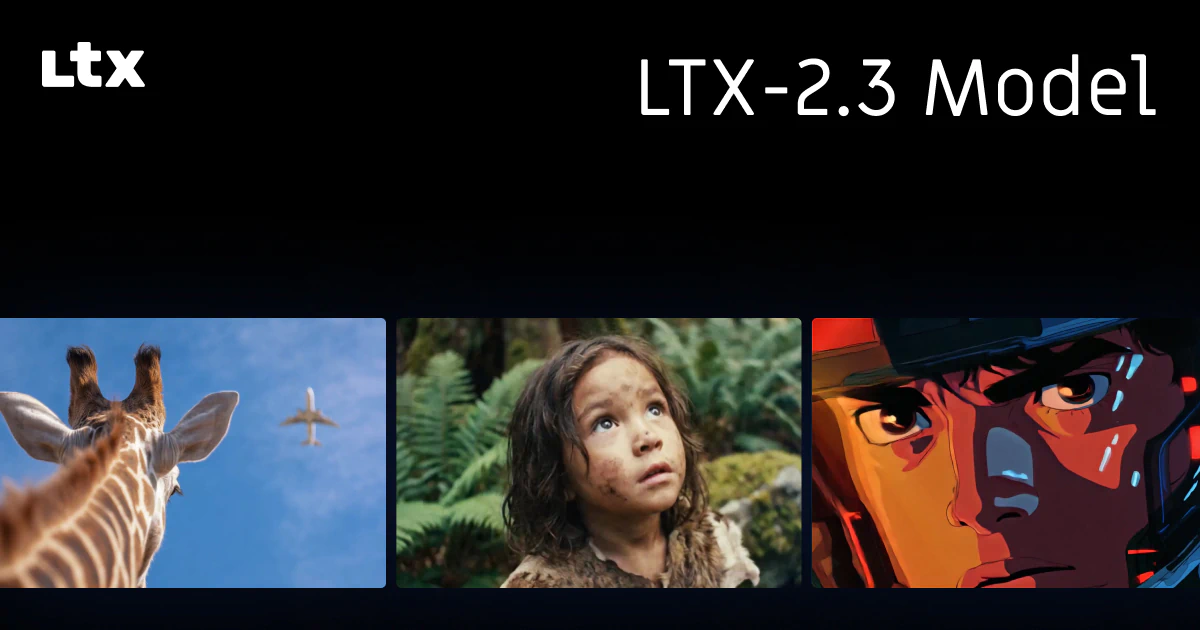
Lightricks' LTX-2.3, released in March, remains the top-ranked open-source video model in benchmarks. The 22B-parameter model generates native 4K at up to 50 FPS with synchronized foley, ambient, and music baked into the same diffusion pass. A rebuilt VAE holds fine detail on hair, fabric, and faces, and native 1080x1920 portrait mode means no more cropping horizontal output. Weights are free on HuggingFace including an fp8 quantized variant.
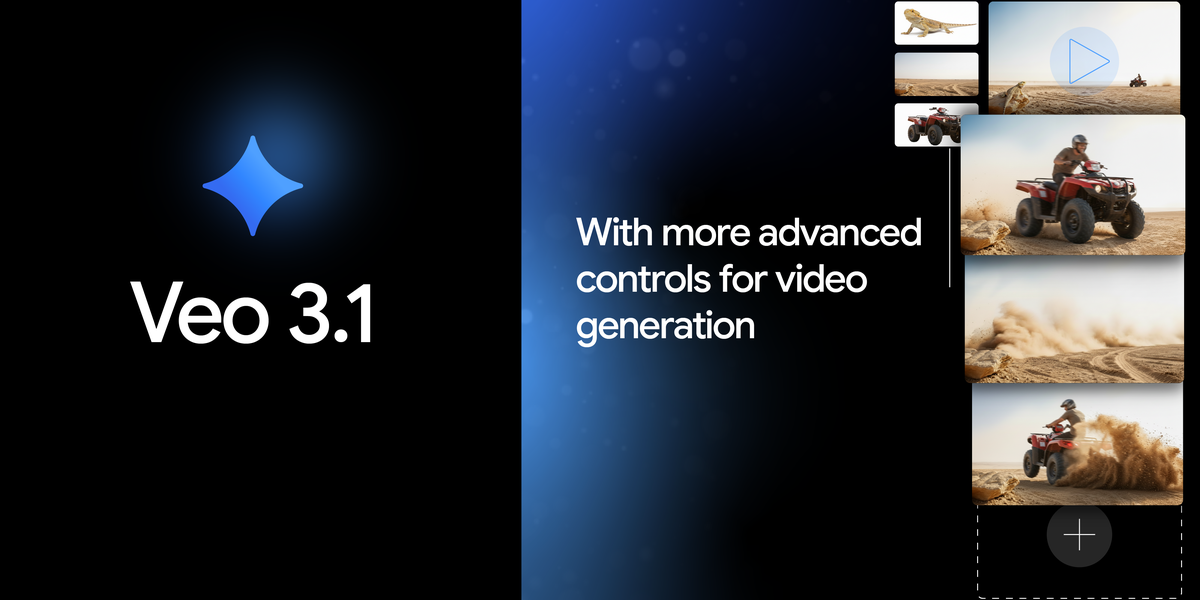
Google opened Veo 3.1 video generation to every standard Google account at no cost, with native audio via lip-sync, sound design, and ambient noise. Alongside it, custom AI music generation powered by Lyria 3 and fully directable AI avatars are now available in Google Vids. Veo 3.1 also added Ingredients-to-Video (reference image input), native vertical output, and 4K upscaling.
Kuaishou's Kling 3.0, launched February 4, delivers multi-shot storyboard generation where you specify duration, shot size, perspective, and camera moves per shot. Native audio supports English, Chinese, Japanese, Korean, and Spanish with accent control (American, British, Indian), including multi-character dialogue where each character speaks a different language. Video 3.0 Omni also ships 2K/4K output for professional use.
OpenAI's Sora web and mobile apps officially shut down on April 26. The API (Sora 2 and Sora 2 Pro endpoints) remains live until September 24, after which all user data will be permanently deleted. The shutdown was driven by high compute costs, declining engagement, and copyright challenges. If you have API integrations, start migrating now — Veo 3.1, Kling 3.0, or Wan 2.7 via ComfyUI are the most direct replacements.
TikTok now auto-detects AI content via C2PA Content Credentials and will reduce distribution or remove unlabeled AI videos. Synthetic media featuring real private individuals is banned even with labels. YouTube and Instagram still rely primarily on creator self-disclosure toggles, meaning a video that's compliant on YouTube may get suppressed on TikTok. Creators distributing across platforms need platform-specific compliance workflows.